SaaS Sales Tax Automation: The Complete 2026 Guide
Learn how to automate SaaS sales tax compliance across all 50 states. Compare solutions, avoid common mistakes, and reduce your tax burden with our complete 2026 guide.
For SaaS founders and finance teams, managing sales tax across multiple states and countries has become a critical challenge. With economic nexus laws now in effect in nearly every US state, the question is no longer if you need automated tax compliance, but how quickly you can implement it. In this comprehensive guide, we’ll explore everything you need to know about SaaS sales tax automation in 2026.
Why SaaS Sales Tax Automation Is Essential in 2026
The landscape of SaaS taxation has changed dramatically. Following the 2018 South Dakota v. Wayfair Supreme Court decision, states gained the power to require sales tax collection based on economic activity alone—regardless of physical presence. For SaaS companies selling nationwide, this means:
- 45+ states now tax SaaS products or digital goods
- Economic nexus thresholds typically trigger at $100,000 in revenue or 200 transactions per state
- Monthly filing requirements in 15+ states once registered
- Zero-return obligations—you must file even if you collected no tax
Manual tax management for a multi-state SaaS business can consume 40+ hours per month and cost thousands in accounting fees. Worse, errors in collection or filing can result in penalties ranging from 10% to 50% of the tax due.
Manual vs Automated Tax Compliance: The Real Costs
Let’s break down the actual difference between handling SaaS sales tax manually versus using automation:
| Factor | Manual Process | Automated Solution |
|---|---|---|
| Time Required | 40+ hours/month | 2-5 hours/month |
| Error Rate | 15-20% | <1% |
| Monthly Cost | $3,000-$5,000 | $200-$500 |
| States Covered | Limited by resources | All 50+ states |
| Filing Accuracy | Risk of penalties | 99.9% accuracy |
The math is clear: once you’re registered in 5+ states or spending more than 8 hours monthly on tax tasks, automation pays for itself immediately.
5 Steps to Automate Your SaaS Sales Tax
Step 1: Identify Your Nexus States
Before automating, you need to understand where you have tax obligations. Economic nexus is established when you exceed a state’s threshold for revenue or transaction count. Use your payment processor data to calculate:
- Total revenue per state for the current and previous year
- Number of transactions per state
- States where you’ve already registered
Step 2: Register for Sales Tax Permits
In each state where you have nexus, you must register for a sales tax permit before collecting tax. This process varies by state but typically requires:
- Business entity information
- Federal EIN
- Estimated monthly sales volume
- Banking information for payments
Step 3: Configure Tax Rules in Your System
Modern tax automation platforms integrate directly with your billing system. Configuration includes:
- Mapping your products to tax categories (SaaS, digital goods, services)
- Setting up origin-based vs destination-based rules
- Configuring exempt customer handling
- Setting up multi-currency support if selling internationally
Step 4: Automate Tax Collection
Once configured, your system should automatically:
- Calculate the correct tax rate based on customer location
- Apply exemptions for valid tax-exempt customers
- Display tax amounts clearly on invoices
- Store transaction data for reporting
Step 5: Automate Filing and Remittance
The final piece is automating the actual filing process. Advanced solutions can:
- Generate and file returns in all registered states
- Handle zero returns where required
- Remit payments automatically
- Maintain audit trails and documentation
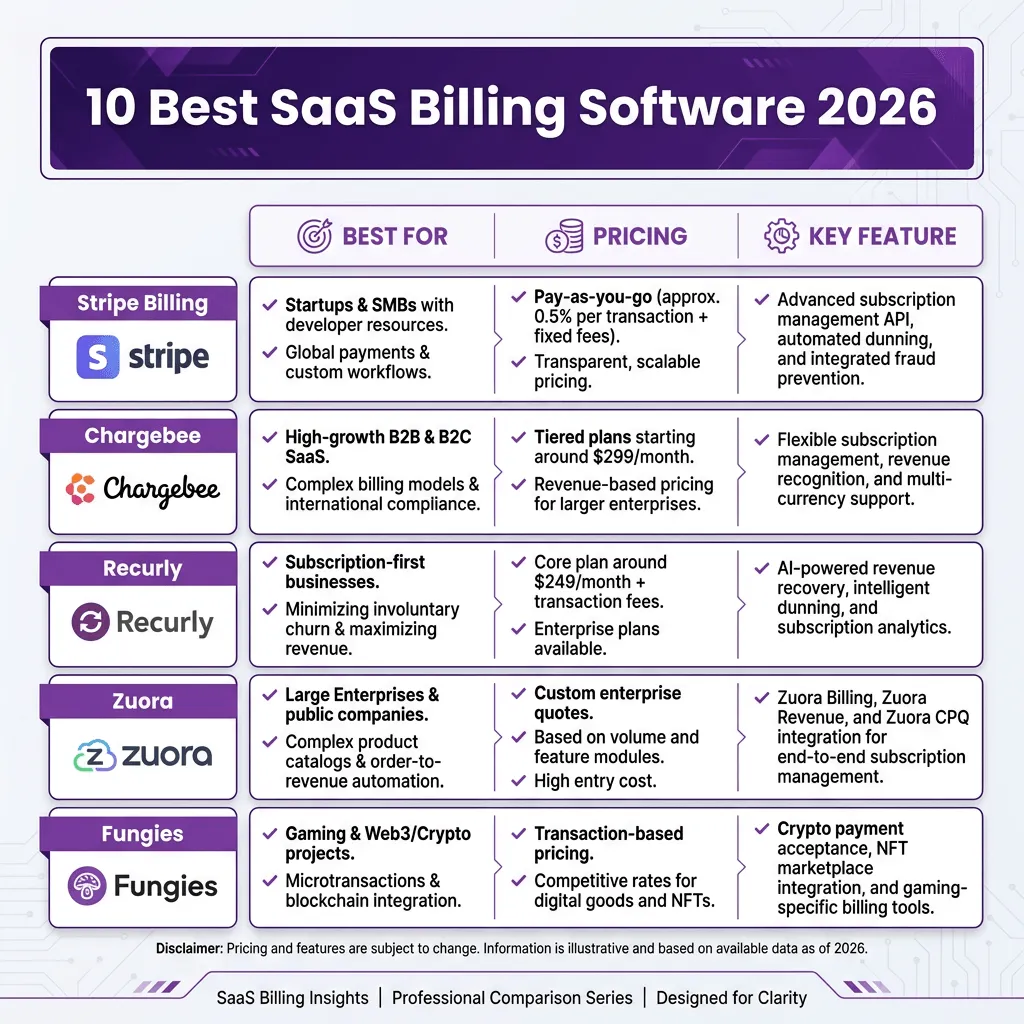
Top SaaS Sales Tax Automation Solutions
Several platforms specialize in SaaS tax automation. Here’s how they compare:
| Solution | Best For | Key Features | Starting Price |
|---|---|---|---|
| Avalara | Enterprise SaaS | Global coverage, 190+ countries | $99/mo |
| TaxJar | Mid-market | Auto-filing, economic nexus dashboard | $19/mo |
| Anrok | High-growth SaaS | Real-time calculations, usage-based pricing | Custom |
| Stripe Tax | Stripe users | Native integration, 40+ countries | 0.5% of transaction |
| Fungies.io | Indie developers | MoR + tax automation combined | 5% + 50¢ |
Common SaaS Tax Automation Mistakes to Avoid
Even with automation, these pitfalls can cause problems:
- Missing exempt customers: Not properly configuring tax-exempt entity handling
- Wrong product categorization: SaaS is taxed differently than digital goods or services
- Ignoring local taxes: Some states have local jurisdiction taxes on top of state rates
- Delayed registration: Waiting too long to register after establishing nexus
- Poor record keeping: Not maintaining adequate documentation for audits
FAQ: SaaS Sales Tax Automation
When should a SaaS company automate tax compliance?
Automate when you’re registered in 3+ states, spending more than 8 hours monthly on tax tasks, or approaching economic nexus thresholds in new states.
Does tax automation handle international VAT?
Some platforms like Avalara and Stripe Tax support international VAT/GST, but coverage varies. For EU VAT specifically, you may need additional OSS (One-Stop Shop) registration.
Can I use tax automation without a Merchant of Record?
Yes, tax automation software works independently. However, a Merchant of Record like Fungies combines tax automation with payment processing and compliance, reducing your liability.
What happens if I don’t collect sales tax?
States can audit your business and assess back taxes plus penalties (typically 10-50% of tax due). Some states also charge interest on unpaid taxes.
How much does tax automation cost?
Basic solutions start at $19-99/month. Enterprise solutions with full filing automation typically cost $300-1,000/month depending on transaction volume.
Conclusion: Don’t Wait to Automate
SaaS sales tax automation isn’t a luxury—it’s a necessity for any growing software business. The combination of complex nexus laws, varying state requirements, and high penalty risks makes manual compliance unsustainable. By implementing automated tax solutions, you free up valuable time, reduce error risk, and ensure your business stays compliant as it scales.
Start by assessing your current nexus exposure, choose a solution that fits your business size, and implement before your tax obligations become unmanageable. The investment in automation will pay dividends in peace of mind and operational efficiency.
Ready to Automate Your SaaS Tax Compliance?
Join hundreds of SaaS companies using Fungies.io — automated tax compliance, 50+ payment methods, global Merchant of Record.
No credit card required