Ultimate Battle Arena put its card collection on-chain.
A prototype trading card game where each card was a token, ownership was settled by the chain rather than by a game server, and the collection outlived the account.
- Ultimate Battle Arena
- Singapore
- Blockchain gaming
- Polygon chain the prototype ran on
- ERC-721 standard behind every card
- 4 tiers of rarity, each capped at level 50
The challenge
In a conventional card game the collection lives in the publisher's database. The player has spent money on it, but they do not own it in any sense that survives the game being switched off, and they cannot sell a card to another player without the publisher building a market and taking a position in it.
Ultimate Battle Arena set out to test the other model. The brief was a working prototype of a card game where each card was a token on a public chain, wallets were the account system, and the resale market was somebody else's problem because the asset was genuinely transferable.
What was built
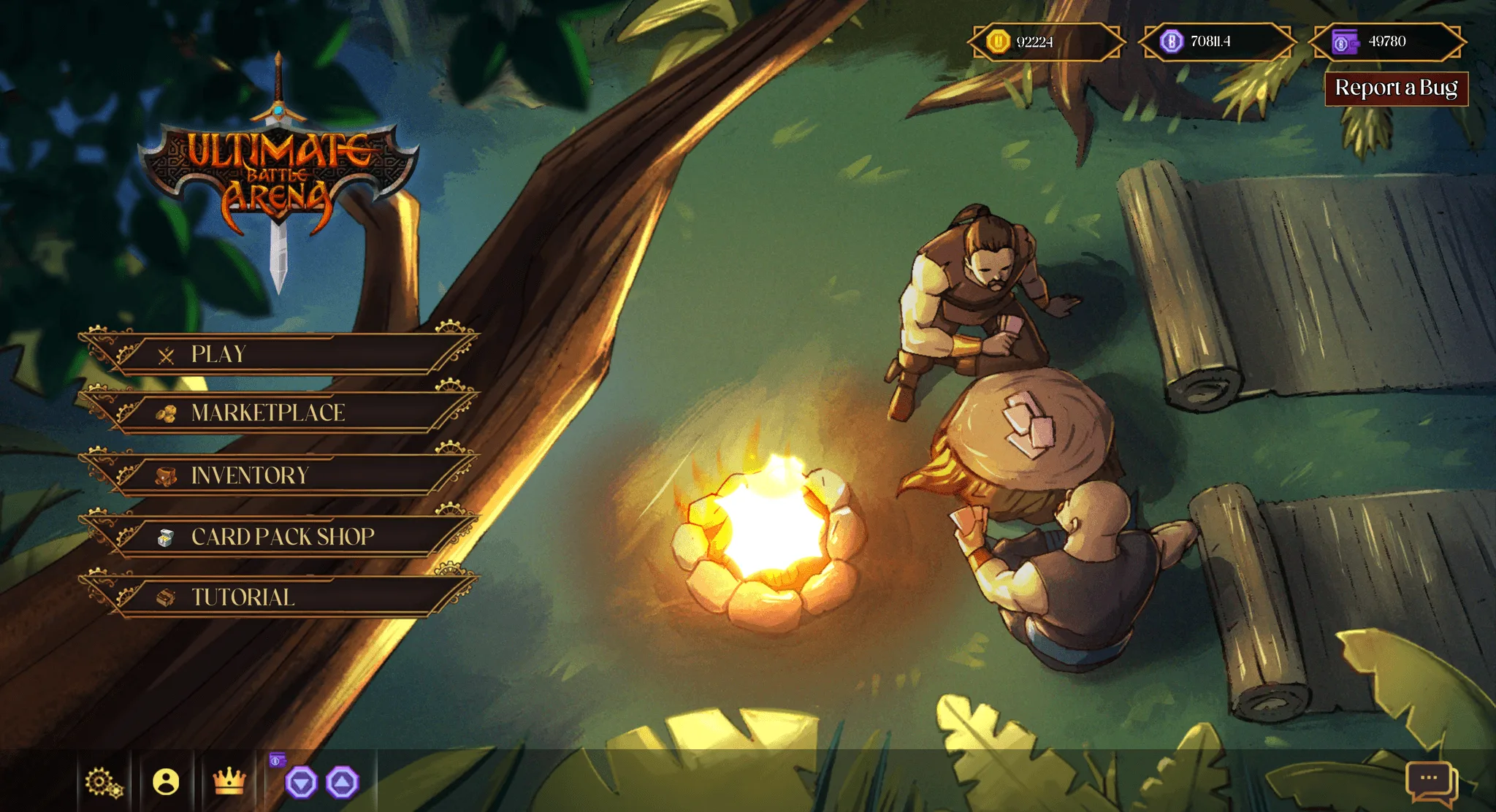
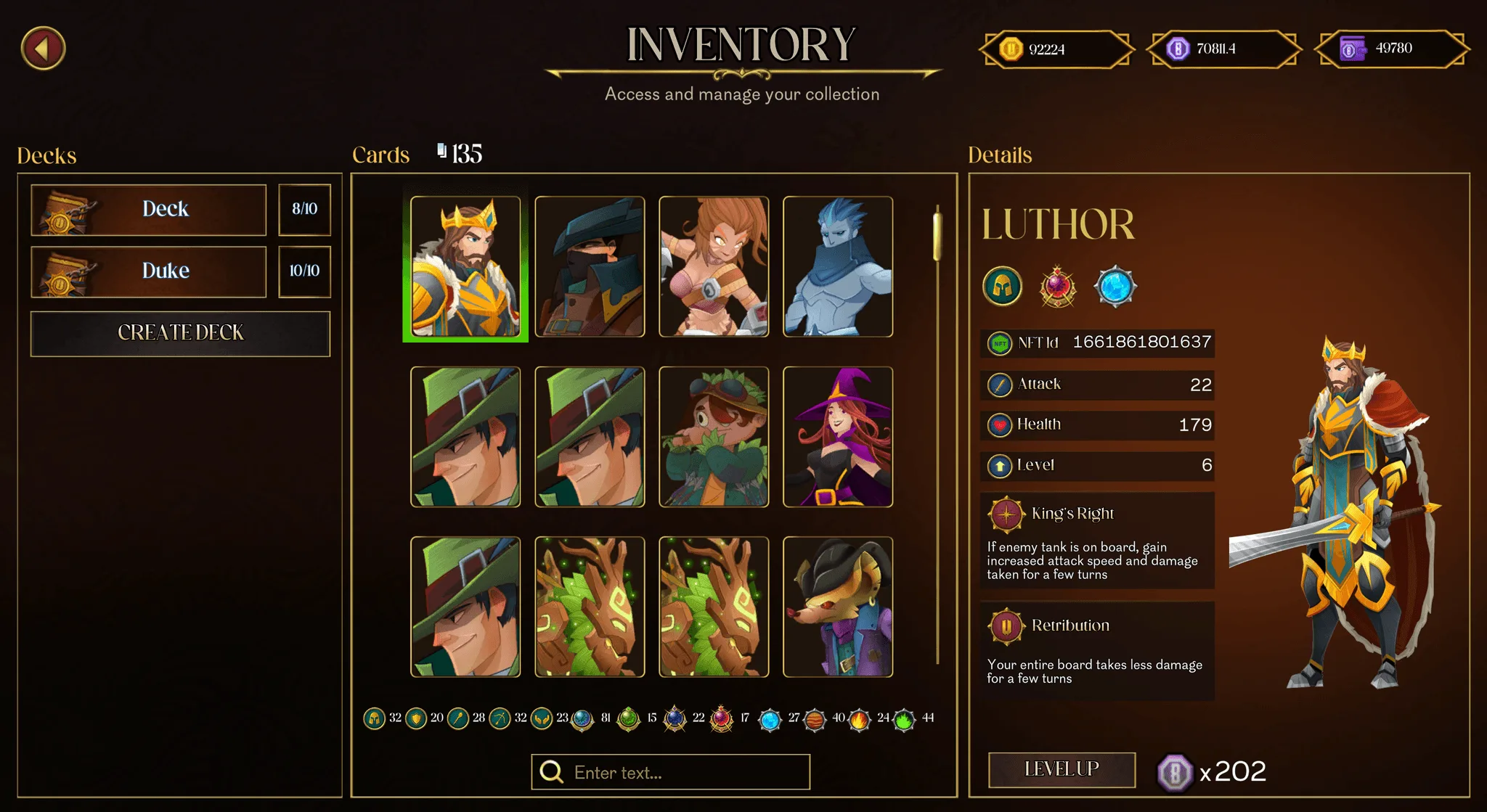
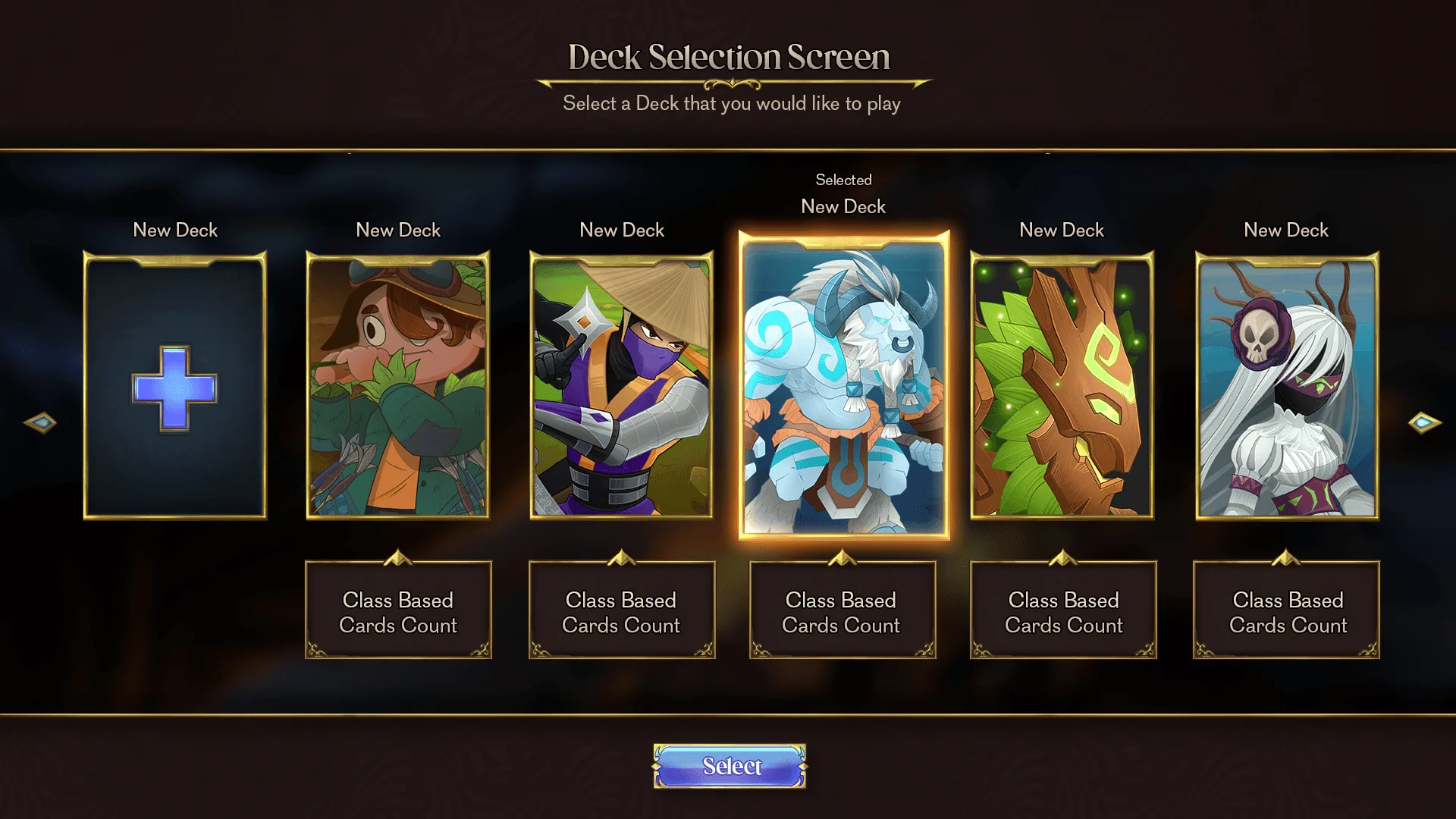
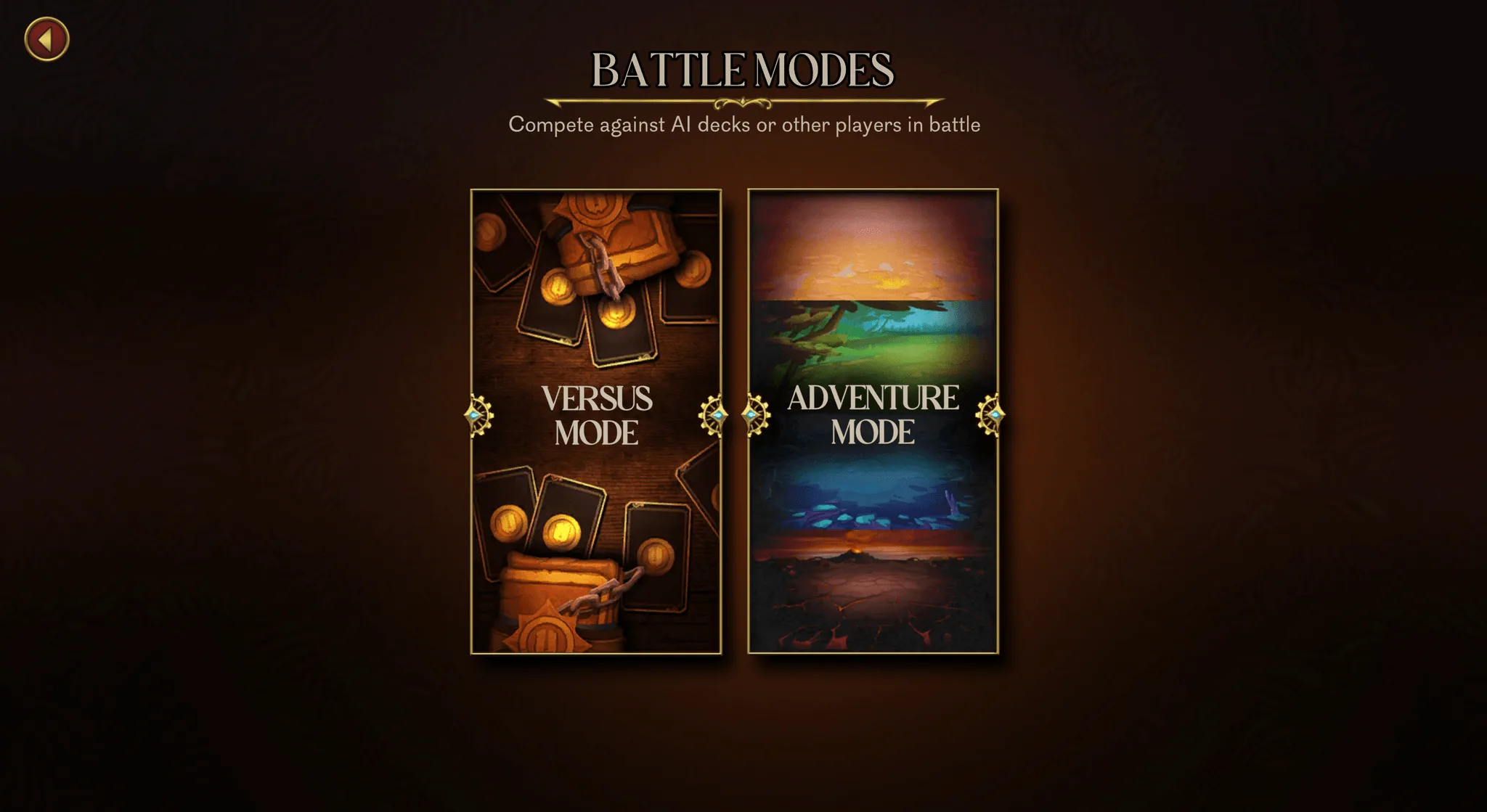
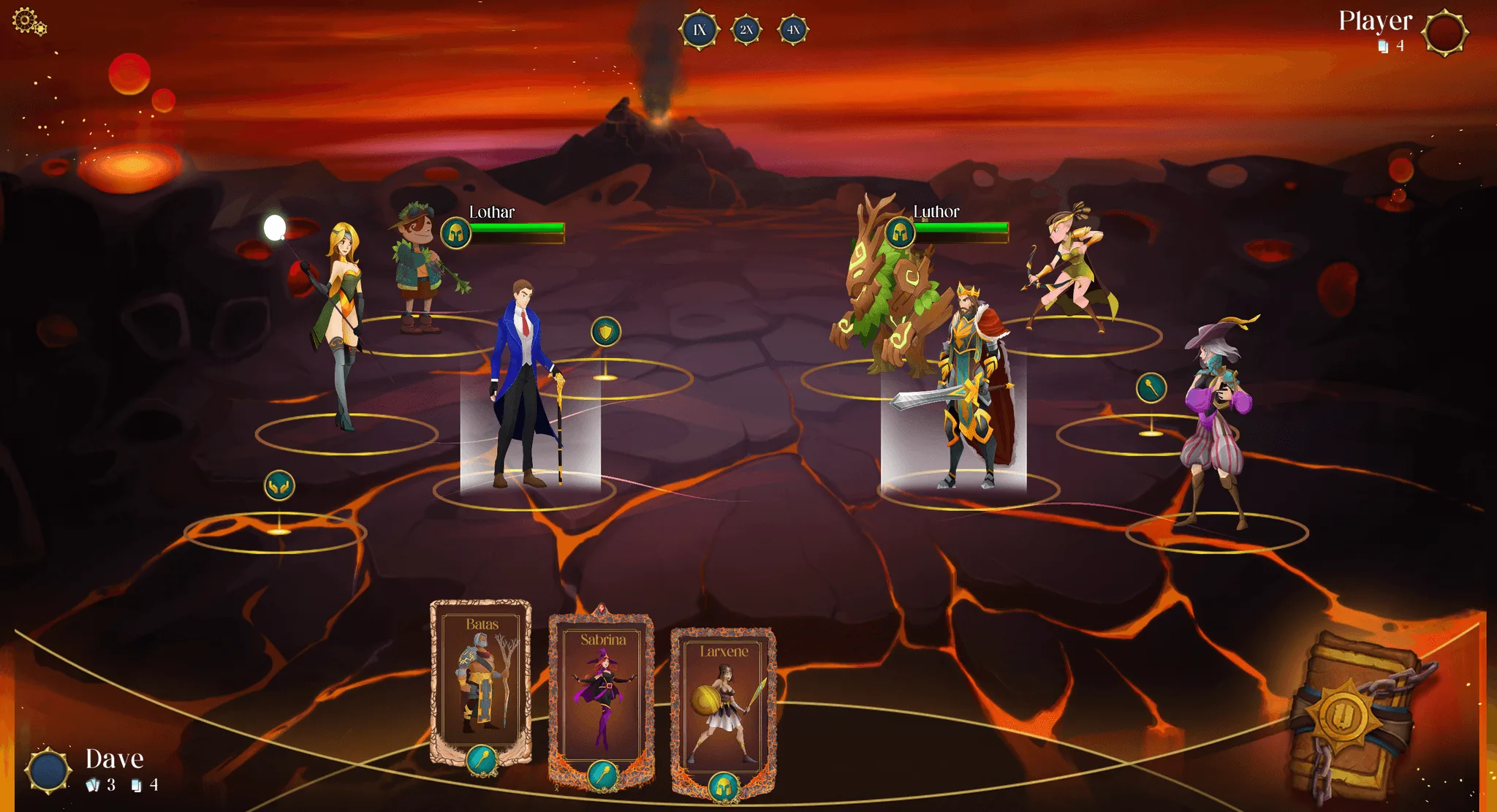
The game is an auto-battler in the lineage of Axie Infinity. Players field teams of ten cards against non-player opponents, and the outcome turns on which cards are played and how their types match up. Winning earns Benders of Valor, the in-game token, which is what levelling costs.
Each card — an ultimate, in the game's language — is an ERC-721 token on Polygon. Ultimates come in four rarity tiers, Common through Legendary, and each can be levelled to a cap of fifty. They belong to one of four elemental factions and one of five classes, and the class is what decides whether a card tanks, heals, buffs or does concentrated damage.
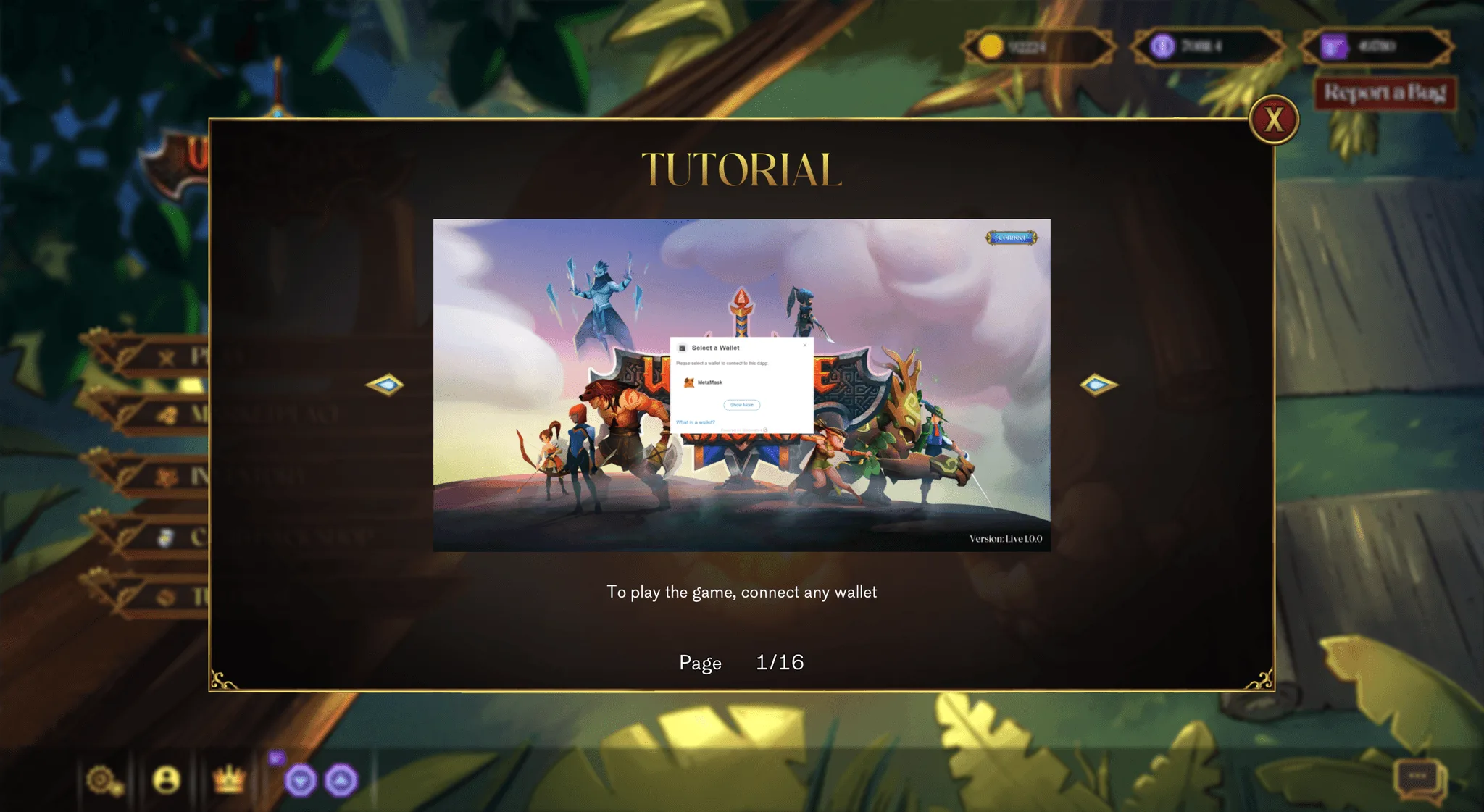
Sign-in is a wallet rather than a password. MetaMask handles authorisation through WalletConnect and doubles as the key vault and the token wallet, so there is no separate account for a player to lose access to.
Cards are acquired through packs bought with the ULTI token. A pack contains five cards with a guaranteed rarity floor. Players can also fuse ultimates into new ones, which consumes tokens and is capped per card, so the supply of fused cards has a ceiling built into it.
Where this sits today
This was a prototype, and it is a record of work the team did rather than a description of what Fungies sells now.
Fungies today is a Merchant of Record for digital goods. It settles in ordinary currency, it does not take cryptocurrency, and it does not mint or trade tokens. If what drew you here was selling digital collectibles, limited drops or licensed assets to buyers, that is well served by the current product — as conventional payments with instant delivery, not as an on-chain market.
What they used
- Game design and build
- Prototype design covering battle mechanics, rarity tiers, factions, classes and the token economy around levelling and fusing.
- Wallet integration
- MetaMask and WalletConnect as the account system, with signature verification standing in for a password.
- On-chain assets
- Each card minted as an ERC-721 token on Polygon, with stats held in the contract rather than on a game server.
5% + 50¢
per sale, and nothing else
Negotiable at higher sales volume.
No monthly fee. No minimum. No card to get started.
One rate covers the whole stack. There is no tier that unlocks tax filing and no add-on for the store builder.
- ✓ Payment processing
- ✓ Tax calculation and filing
- ✓ Fraud screening
- ✓ Chargeback handling
- ✓ Store builder and hosting
- ✓ Every platform feature
More customer stories
Software and AI
Games
Selling digital goods today?
The current product is a storefront and a checkout with worldwide tax handled for you. It takes about five minutes and costs nothing until you make a sale.