The digital products marketplace is no longer a niche corner of the internet; it is a booming, mainstream economy. For creators, entrepreneurs, and digital product sellers, 2026 represents a landscape of unprecedented opportunity, driven by the convergence of the creator economy, AI, and evolving consumer behavior. The global digital marketplace, valued at over $580 billion in 2024, is on a trajectory to exceed $1 trillion by 2030, with a compound annual growth rate (CAGR) of over 10% [1]. This explosive growth is creating new avenues for monetization, community building, and brand development.
The digital products sector is experiencing a fundamental transformation. What was once a fragmented collection of individual sellers and niche marketplaces has evolved into a sophisticated ecosystem where independent creators can compete with established corporations. The barriers to entry have never been lower, yet the potential for success has never been higher. With the right strategy, tools, and understanding of market dynamics, a solo creator can build a six-figure or even seven-figure business from their laptop.
This article is your comprehensive guide to navigating this dynamic environment. We will explore 20 of the most significant trends shaping the digital products landscape in 2026, providing the insights, data, and strategies you need to build a thriving online business. Whether you are selling courses, templates, digital art, or software, this deep dive will equip you with the knowledge to succeed in the new era of digital commerce. Each trend is backed by real market data, and we will provide actionable insights you can implement immediately to stay ahead of the competition.
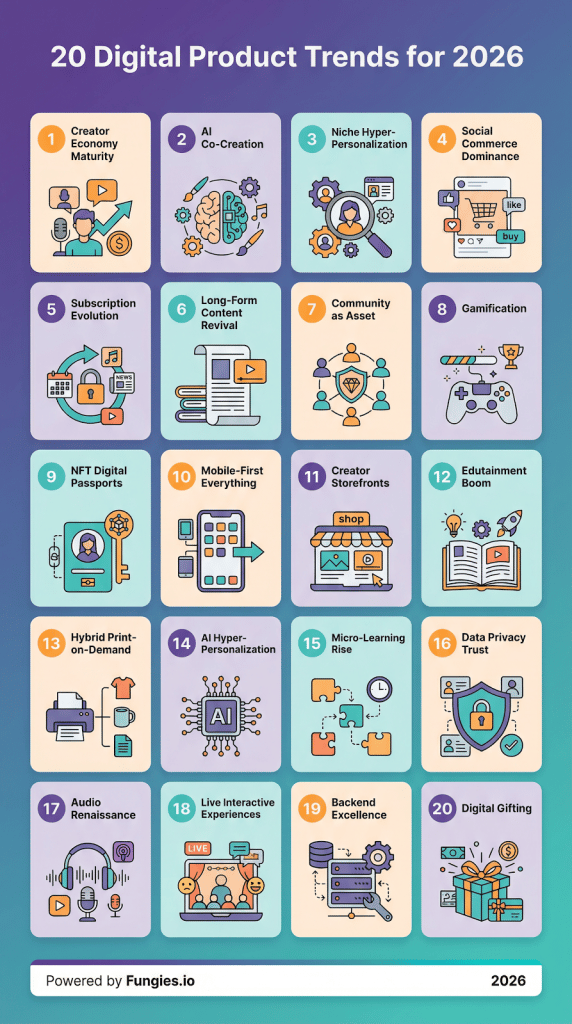
Figure 1: Overview of 20 Digital Product Trends for 2026
1. The Creator Economy Matures into a Mainstream Force
The creator economy has evolved from a buzzword into a significant economic force, projected to surpass $200 billion by 2026 [2]. In this mature landscape, creators are no longer just influencers; they are full-fledged media companies and direct-to-consumer (D2C) brands. They are diversifying their revenue streams beyond brand deals and advertising, focusing on building sustainable businesses around their communities.
For digital product sellers, this means that the competition is more professional, but the opportunities are also greater. The most successful creators are building a portfolio of digital products, including paid subscriptions and memberships for exclusive content, digital products like courses, templates, and e-books, affiliate marketing and revenue-sharing agreements, and direct commerce through their own storefronts.
This shift towards a diversified monetization strategy is creating a more resilient and sustainable creator economy, where creators are less dependent on any single platform or revenue stream. In the United States alone, ad spending connected to the creator economy reached approximately $37 billion in 2025, growing significantly faster than overall media spend [2]. This demonstrates that brands are increasingly viewing creators as legitimate media channels capable of driving awareness, engagement, and conversions more effectively than traditional advertising.
The professionalization of the creator economy also means that successful digital product sellers are investing in the same infrastructure as traditional businesses. They are building email lists, implementing customer relationship management (CRM) systems, analyzing data, and optimizing their sales funnels. The days of the hobbyist creator are not over, but the creators who are building truly sustainable businesses are treating their work with the same level of professionalism and strategic thinking as any other entrepreneur.
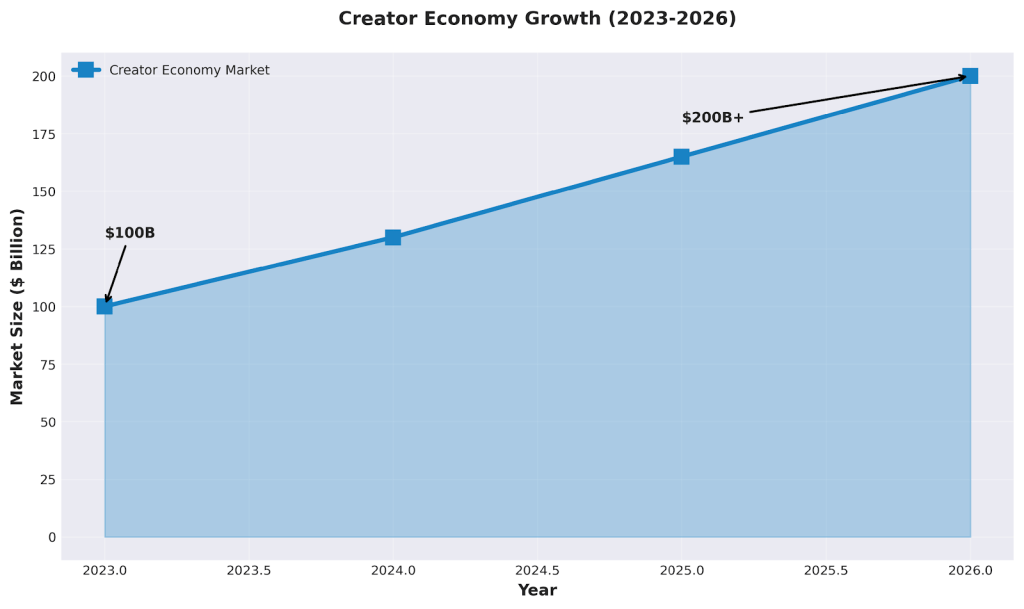
Figure 2: Creator Economy Market Growth (2023-2026)
2. AI as a Co-Creator and Efficiency Engine
Artificial Intelligence (AI) is no longer just a tool for automation; it is a creative partner and an efficiency engine for digital product sellers. In 2026, AI is being used across the entire digital product lifecycle, from ideation and creation to marketing and customer support.
Creators are using AI to generate ideas for new digital products, create content such as text, images, and video, personalize the customer experience, automate marketing and sales processes, and analyze data to identify trends and opportunities. The democratization of AI tools has leveled the playing field, allowing solo creators to produce content at a scale and quality that was previously only possible for large teams.
Consider the impact on different types of digital products. For online course creators, AI can transcribe video lectures, generate quiz questions, and even provide personalized feedback to students. For designers selling templates, AI can generate variations of a design in seconds, allowing them to test different styles and identify what resonates with their audience. For writers, AI can help with research, outlining, and even drafting first versions of content that can then be refined and personalized.
However, while AI is a powerful tool, it is not a replacement for human creativity. The most successful creators are using AI to augment their own skills and expertise, not to replace them. The key is to find the right balance between human creativity and machine efficiency. Audiences can often tell when content is purely AI-generated, and they crave the authenticity, personality, and unique perspective that only a human creator can provide. The winning formula in 2026 is using AI to handle the repetitive, time-consuming tasks, freeing up the creator to focus on the high-value, creative work that truly sets them apart.
3. The Rise of Niche and Hyper-Personalized Digital Products
As the digital goods market becomes more crowded, sellers are finding success by targeting niche audiences with hyper-personalized products. Instead of trying to appeal to everyone, they are focusing on solving a specific problem for a specific group of people. This allows them to build a more loyal and engaged community, and to charge a premium for their products.
Examples of niche digital products include planners and templates for a specific profession or hobby, online courses on a highly specialized topic, e-books that cater to a particular subculture or interest group, and software tools designed for a specific industry or workflow.
The power of niche positioning cannot be overstated. When you try to serve everyone, you end up serving no one particularly well. But when you focus on a specific niche, you can deeply understand your customers’ pain points, speak their language, and create products that feel like they were custom-made for them. This specificity also makes your marketing much more effective. Instead of trying to reach millions of people with a generic message, you can focus your efforts on the specific channels, communities, and influencers where your ideal customers are already spending their time.
Consider the difference between selling a generic productivity planner and selling a productivity planner specifically designed for freelance graphic designers. The latter allows you to include industry-specific features like project timelines, client management sections, and creative brief templates. You can market it in design communities, on design podcasts, and through partnerships with design influencers. And because it solves a specific problem for a specific group, you can charge a premium price that reflects the value it provides.
4. The Dominance of Social Commerce and In-App Purchasing
Social commerce has become a dominant force in the digital products market, with platforms like TikTok, Instagram, and Pinterest making it easier than ever for consumers to discover and purchase products without leaving the app. In 2026, social commerce is projected to be a major driver of growth in the digital products market, with a focus on seamless, in-app purchasing experiences.
For digital product sellers, this means that you need to have a strong presence on social media and you need to make it as easy as possible for customers to buy your products directly from your social profiles. This includes creating engaging content that showcases your products, using shoppable posts and stories to drive sales, partnering with influencers to reach a wider audience, and optimizing your social profiles for conversion.
The key to success in social commerce is to create a seamless and frictionless purchasing experience. The fewer steps a customer has to take to buy your product, the more likely they are to complete the purchase. This is especially important on mobile devices, where attention spans are shorter and users are less patient with complicated checkout processes. Platforms are responding to this demand by integrating payment processing directly into their apps, allowing users to complete a purchase with just a few taps.
The rise of social commerce is also changing the way digital products are discovered. Instead of relying on search engines or traditional advertising, consumers are increasingly discovering products through their social feeds, through recommendations from creators they follow, and through viral trends. This means that content creation and community building are now essential components of a successful digital product business. If you are not creating engaging content that resonates with your target audience, you are missing out on a massive opportunity to reach new customers and drive sales.
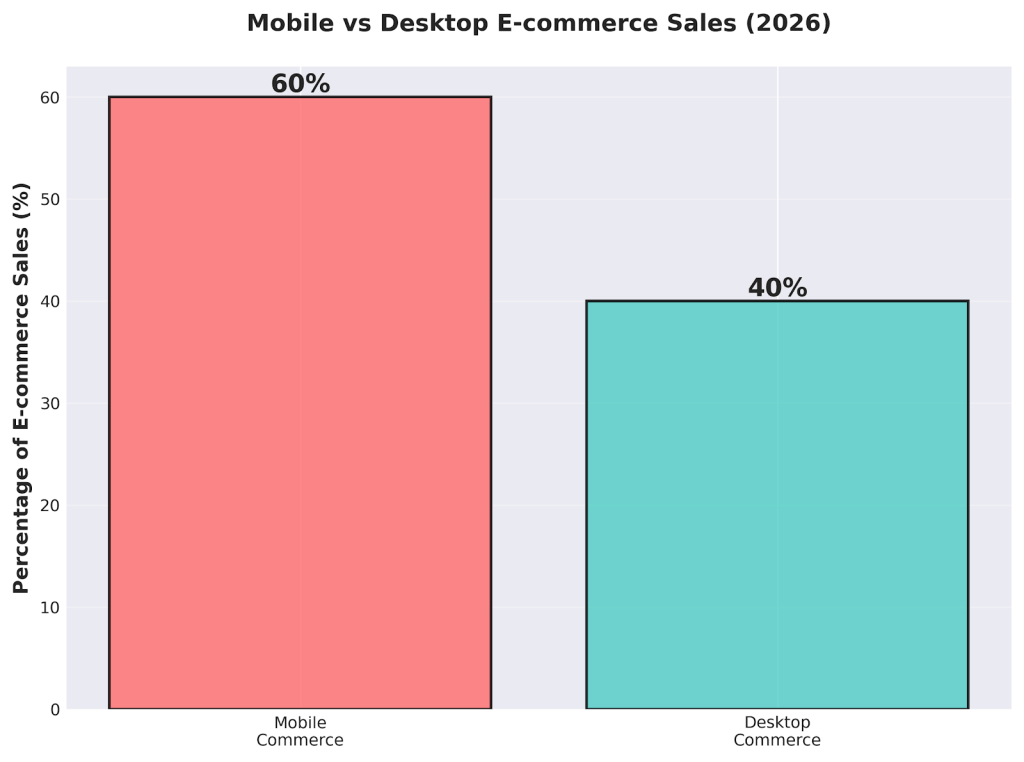
Figure 3: Mobile vs Desktop E-commerce Sales Distribution (2026)
5. The Subscription Economy Matures: From Access to Community
The subscription business model continues to be a powerful engine for growth, with subscription-based companies growing revenue 3.7 times faster than their peers [3]. In 2026, the subscription economy is maturing beyond simple access to content. The most successful subscription models are now built around community, value-added services, and exclusive experiences.
Sellers are moving away from a one-size-fits-all approach and are offering tiered memberships that cater to different levels of engagement and investment. A basic tier might provide access to a core library of digital products or content. A premium tier includes everything in the basic tier, plus exclusive content, early access to new products, and a private community forum. A VIP tier includes all of the above, plus personalized coaching, one-on-one support, or live events.
This shift from a transactional to a relational model is creating more resilient and profitable subscription businesses. By focusing on building a strong community and providing ongoing value, sellers can reduce churn and increase customer lifetime value. The subscription model also provides predictable, recurring revenue, which is essential for long-term business planning and growth. Instead of constantly chasing new customers, subscription businesses can focus on retaining and deepening their relationships with existing customers.
The most successful subscription businesses are those that provide continuous value. This means regularly adding new content, hosting live events, facilitating community interactions, and actively listening to member feedback. A subscription is not a one-time sale; it is an ongoing relationship that requires constant attention and investment. But for those who get it right, the rewards are substantial. Subscription businesses often have higher customer lifetime values, lower customer acquisition costs, and more stable cash flow than traditional transactional businesses.
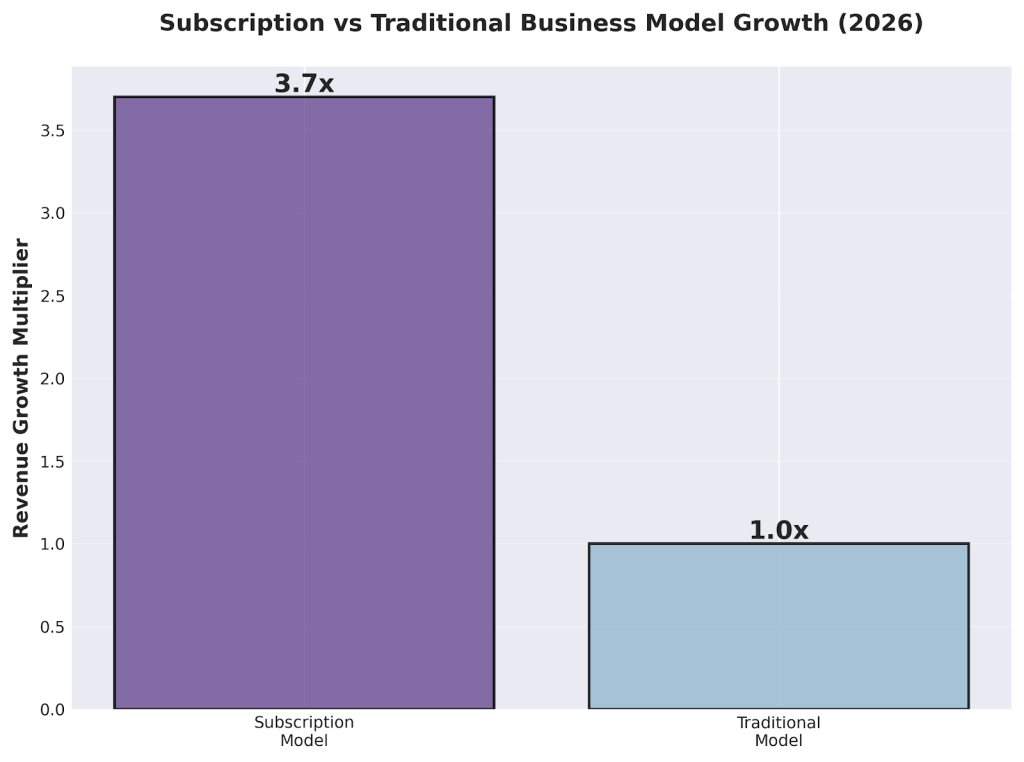
Figure 4: Revenue Growth Multiplier – Subscription vs Traditional Models
6. Long-Form Content Makes a Strategic Comeback
While short-form video continues to dominate social media feeds, long-form content—such as in-depth articles, newsletters, podcasts, and long-form video essays—is making a strategic comeback. In a world of information overload, consumers are craving high-quality, in-depth content that provides real value and builds a deeper connection with the creator.
For digital product sellers, long-form content is a powerful tool for building authority and trust in your niche, educating your audience about the problems your products solve, nurturing leads and moving them through your sales funnel, and creating a loyal community of engaged followers.
Long-form content allows you to go beyond surface-level tips and tricks and provide your audience with a comprehensive understanding of your topic. This builds the trust and credibility needed to sell high-ticket digital products like courses, coaching programs, and premium memberships. While a short social media post might introduce someone to your brand, it is the long-form content—the in-depth blog post, the hour-long podcast interview, the comprehensive video tutorial—that convinces them you are the real deal and worth investing in.
The resurgence of long-form content is also a response to the overwhelming noise and superficiality of much of the content on social media. Audiences are tired of clickbait headlines, shallow listicles, and content that promises the world but delivers nothing of substance. They are seeking out creators who are willing to go deep, to share their expertise generously, and to provide real value. By creating long-form content, you position yourself as a thought leader and an expert, not just another voice in the crowd.
7. Community as a Core Business Asset
In 2026, community is no longer a marketing tactic; it is a core business asset. The most successful digital product sellers are not just building an audience; they are building a community of passionate fans and advocates who are actively involved in the growth of the brand.
This community-led growth model is a powerful way to increase customer retention and reduce churn, generate valuable feedback and ideas for new products, drive word-of-mouth marketing and organic growth, and create a strong competitive moat that is difficult for others to replicate.
Building a thriving community requires a dedicated effort, but the payoff can be enormous. By creating a space where your customers can connect with each other, share their experiences, and feel a sense of belonging, you can build a brand that is much more than just a collection of digital products. A strong community becomes a self-sustaining ecosystem where members help each other, answer questions, share success stories, and evangelize your products to their own networks.
The most successful community-led businesses are those that facilitate genuine connections between members, not just between the creator and the members. This means creating opportunities for members to interact with each other, whether through forums, group coaching calls, local meetups, or collaborative projects. When members form friendships and professional relationships within your community, they are much less likely to leave, even if a competitor offers a similar product at a lower price. The community itself becomes the product, and the digital products you sell are simply the entry point into that community.
8. The Gamification of Digital Experiences
Gamification—the use of game-like elements in non-game contexts—is becoming an increasingly popular way to increase engagement and drive sales in the digital products market. By incorporating elements like points, badges, leaderboards, and challenges into their products and marketing, sellers can create a more fun and engaging experience for their customers.
Gamification can be used to increase user engagement with online courses and membership sites, motivate customers to complete challenges and achieve their goals, reward loyal customers with exclusive content and discounts, and create a sense of competition and social proof.
When done right, gamification can be a powerful way to differentiate your products and create a more memorable and enjoyable customer experience. The key is to ensure that the game mechanics are aligned with your business goals and that they provide real value to your customers. Gamification should not feel like a gimmick or a distraction; it should enhance the core experience and make it more enjoyable and rewarding. For example, in an online course, gamification might involve awarding badges for completing modules, creating a leaderboard to recognize top performers, or unlocking bonus content as students progress through the material. These elements tap into our natural desire for achievement, recognition, and progress, making the learning experience more engaging and motivating.
9. Digital Passports & The Evolution of NFTs
The conversation around Non-Fungible Tokens (NFTs) has matured significantly. In 2026, the focus has shifted from speculative collectibles to utility-driven applications. The global NFT market is showing signs of a strong recovery, projected to reach $45 billion by 2026, with utility NFTs leading the charge [4]. For digital product sellers, this evolution presents a powerful new tool: the digital passport.
NFTs are being used to:
* Verify ownership and authenticity of a digital product.
* Grant access to exclusive content, communities, or events.
* Track the lifecycle of a digital product, including updates and resale.
* Create new revenue streams through secondary market royalties.
Imagine selling an online course where the access token is an NFT. This token could grant the owner access to a private Discord server, exclusive bonus content, and even a share of royalties if they contribute to the course material. This creates a more dynamic and valuable product that can be traded and resold, with the original creator earning a percentage of every future sale.
10. Mobile-First Everything: The Unstoppable Force of M-Commerce
In 2026, if your digital product business is not mobile-first, it is falling behind. Mobile commerce is no longer a subset of e-commerce; it is the dominant force, accounting for nearly 60% of all global e-commerce sales [5]. With global mobile commerce revenue projected to surpass $2.5 trillion, optimizing for mobile is not optional—it is essential for survival and growth.
This trend goes beyond simply having a responsive website. It means rethinking the entire customer journey from a mobile perspective. Customers are discovering products on mobile-centric platforms like TikTok and Instagram. They are consuming content, watching videos, and reading e-books on their phones. They expect a seamless, one-click checkout experience on their mobile device.
For digital product sellers, this requires a commitment to creating a frictionless mobile experience. This includes optimizing your sales pages for mobile, ensuring your digital products are easy to access and use on a small screen, and leveraging mobile-native features like push notifications and in-app purchases. Every element of your digital product business—from your website design to your email marketing to your product delivery—needs to be optimized for the mobile experience. This means using large, easy-to-tap buttons, minimizing form fields, optimizing images and videos for fast loading on mobile networks, and testing your entire customer journey on a variety of mobile devices to identify and fix any friction points.
11. The Proliferation of Creator Storefronts
While marketplaces like Etsy and Gumroad remain popular, 2026 is seeing a massive shift towards creator-owned storefronts. Creators are leveraging platforms like Shopify, Whop, and dedicated website builders to create their own branded online stores. This move gives them greater control over their brand, customer relationships, and revenue.
By owning their storefront, creators can:
* Build a direct relationship with their customers and collect valuable first-party data.
* Customize the customer experience to match their brand identity.
* Avoid marketplace fees and retain a larger portion of their revenue.
* Cross-sell and upsell their entire portfolio of digital products.
This trend is being fueled by the availability of easy-to-use e-commerce platforms and the growing desire for creators to build sustainable, long-term businesses. While marketplaces offer a built-in audience, a dedicated storefront provides the foundation for building a true brand and a direct line of communication with your most loyal customers.
12. The “Edutainment” Boom: Merging Education with Entertainment
The global e-learning market is on a meteoric rise, projected to reach $400 billion by 2026 [6]. However, the most successful online courses and educational products are no longer dry, academic lectures. The trend in 2026 is **”edutainment””—the merging of education with entertainment.
Creators are using a variety of techniques to make their educational content more engaging and effective, including high-quality video production with dynamic editing and graphics, storytelling to make complex topics more relatable and memorable, interactive elements like quizzes, polls, and live Q&A sessions, and gamification to motivate learners and create a sense of progress.
In a crowded market, simply providing information is not enough. You need to create an experience that is not only educational but also enjoyable and engaging. By embracing the principles of edutainment, you can create digital products that not only teach but also captivate and inspire your audience. The most successful online courses in 2026 feel less like traditional education and more like binge-worthy Netflix series. They use cliffhangers, narrative arcs, and compelling characters to keep learners engaged and coming back for more. This approach recognizes that learning is not just a cognitive process; it is also an emotional one. When learners are entertained and emotionally invested in the content, they are more likely to retain information, complete the course, and recommend it to others.
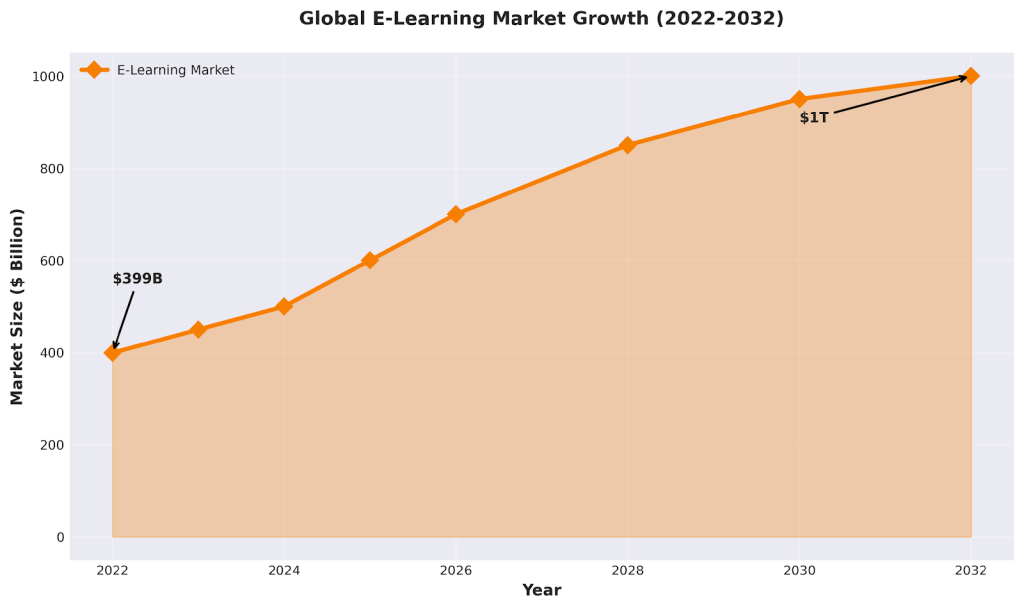
Figure 5: Global E-Learning Market Trajectory (2022-2032)
13. The Hybrid Model: Print-on-Demand Meets Digital
The line between digital and physical products is blurring. In 2026, a growing number of digital product sellers are adopting a hybrid model, extending their digital brands into the physical world through Print-on-Demand (POD) services. This allows creators to offer physical merchandise like apparel, mugs, posters, and notebooks without the risk and overhead of managing inventory.
The POD market is being driven by several key trends. Nostalgia and retro aesthetics are resonating with consumers who want designs that tap into cultural memory. Hyper-personalization allows customers to purchase unique products that reflect their individual identity and values. Eco-friendly products made from sustainable and ethically sourced materials are a major selling point for environmentally conscious consumers. AI-powered design tools are enabling creators to generate unique and complex designs at scale, opening up new creative possibilities.
For a digital artist, this means their best-selling digital print can also be sold as a t-shirt, a phone case, or a framed poster. For an author, their e-book characters can come to life on merchandise. This strategy not only creates a new revenue stream but also deepens brand loyalty and provides fans with a tangible way to connect with the creator’s work. The hybrid model also allows creators to test new product ideas with minimal risk. Instead of investing thousands of dollars in inventory, they can add a new product to their POD store and see if it resonates with their audience. If it sells well, they can promote it more heavily. If it does not, they can remove it with no financial loss.
14. Hyper-Personalization at Scale, Powered by AI
Personalization in 2026 goes far beyond inserting a customer’s first name into an email. AI-powered hyper-personalization allows digital product sellers to tailor experiences, products, and marketing messages to the individual user at a scale never before possible. This is about creating a one-to-one relationship with every customer.
AI algorithms can analyze a user’s behavior, purchase history, and engagement patterns to deliver personalized product recommendations, suggesting the next course, template, or e-book a customer is most likely to buy. They can create dynamic content, customizing the content of a digital product, such as a planner or a course curriculum, based on the user’s goals and progress. In online courses, AI can create adaptive learning paths, adjusting the difficulty and content based on a student’s performance, creating a more effective and engaging learning experience. AI also enables tailored marketing messages, sending highly relevant emails and social media ads that speak directly to a user’s specific needs and interests.
This level of personalization was once only available to large corporations with massive data science teams. Now, with the proliferation of user-friendly AI tools, even solo creators can deliver a hyper-personalized experience that makes their customers feel seen, understood, and valued. The impact of hyper-personalization on conversion rates and customer satisfaction can be dramatic. When a customer feels like a product was designed specifically for them, they are much more likely to buy it and to be satisfied with their purchase. This leads to higher customer lifetime values, lower churn rates, and more positive word-of-mouth marketing.
15. The Unbundling of Expertise: The Rise of Micro-Learning
The era of the monolithic, $2,000 online course is not over, but it is being complemented by a powerful new trend: the unbundling of expertise. In 2026, creators are breaking down their knowledge into smaller, more accessible, and more affordable micro-learning products. This caters to consumers with shorter attention spans and a desire for immediate, actionable solutions to specific problems.
This trend is giving rise to a new wave of digital products, including paid newsletters offering deep dives into niche topics on a weekly or monthly basis, short e-books and guides providing a quick and easy solution to a single, painful problem, workshops and live trainings as focused, two-hour sessions that teach a specific skill, and template libraries with collections of pre-made assets that help customers achieve a specific outcome.
For sellers, this strategy lowers the barrier to entry for new customers. It is much easier to convince someone to buy a $20 e-book than a $500 course. Once a customer has had a positive experience with a micro-learning product, they are much more likely to invest in a higher-ticket offering down the line. This creates a natural value ladder that guides customers from their first purchase to your most premium products. The micro-learning approach also allows creators to monetize their expertise more effectively. Instead of spending months creating a comprehensive course that might not sell, they can quickly create and launch smaller products to test market demand. If a particular micro-learning product resonates with their audience, they can expand it into a larger offering. If it does not, they have only invested a small amount of time and resources.
16. Data Privacy and Trust as a Brand Differentiator
In an age of constant data breaches and growing concerns over digital privacy, trust has become one of the most valuable assets a brand can have. In 2026, digital product sellers who are transparent, ethical, and responsible with their customers’ data are using this commitment as a powerful brand differentiator.
Consumers are more educated and discerning than ever about how their data is being used. They are actively seeking out brands that they can trust to protect their privacy. For digital product sellers, this means being transparent about what data you collect and how you use it, giving customers control over their own data with clear and easy-to-use privacy settings, investing in robust security measures to protect customer data from unauthorized access, and adhering to data privacy regulations like GDPR and CCPA, not just as a legal requirement, but as a commitment to your customers.
Building a reputation for strong data privacy is not just about avoiding fines and legal trouble; it is about building a long-term relationship with your customers based on trust and respect. In a crowded market, a brand that is known for its commitment to privacy will stand out from the competition and attract a loyal following of customers who share those values. This is particularly important for digital product sellers who are collecting sensitive information, such as payment details, personal goals, or learning progress. Customers need to know that this information is being handled with care and that it will not be sold to third parties or used in ways they did not consent to.
”’
17. The Audio Renaissance: Podcasts, Audiobooks, and More
In a world of screen fatigue, audio content has emerged as a powerful and intimate way to connect with audiences. The market for audiobooks and music streaming was already valued at over $73 billion in 2025, and it continues to grow as consumers embrace the convenience of audio for learning, entertainment, and multitasking [1]. In 2026, the audio renaissance is in full swing, creating a massive opportunity for digital product sellers.
Creators are capitalizing on this trend by launching paid podcasts and newsletters offering premium, ad-free content to a dedicated subscriber base, creating audiobooks by turning their e-books and courses into audio formats to reach a wider audience, selling standalone audio courses as audio-first learning experiences that can be consumed on the go, and licensing music and sound effects, with platforms offering royalties for licensed tracks providing a steady stream of passive income.
Audio builds a unique connection. The human voice can convey emotion, nuance, and personality in a way that text often cannot. For creators, this means that a podcast or audiobook can be a powerful tool for building trust and a deep, personal relationship with their audience, making them more likely to purchase other digital products and services. Audio content is also incredibly versatile. It can be consumed while commuting, exercising, cooking, or doing household chores. This makes it a perfect format for busy professionals and multitaskers who want to learn and be entertained but do not have time to sit down and read or watch a video. By offering your digital products in audio format, you can reach a wider audience and provide more value to your existing customers.
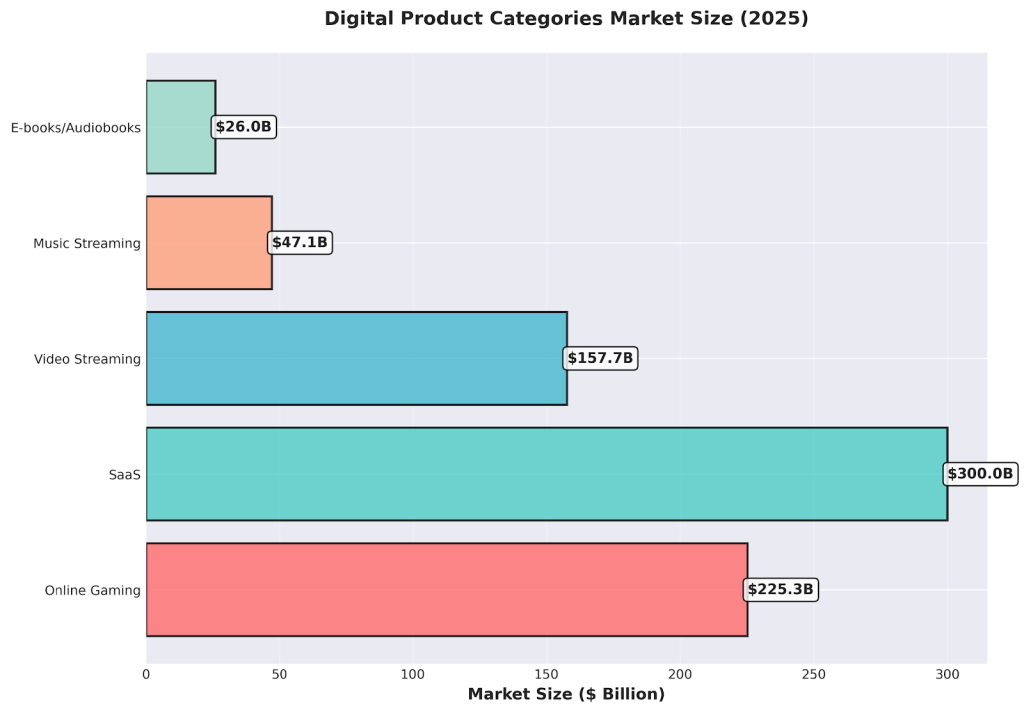
Figure 6: Market Size of Major Digital Product Categories (2025)
18. Live and Interactive Experiences
Static, pre-recorded content still has its place, but in 2026, the most engaged communities are being built around live and interactive experiences. Consumers are craving real-time connection and the opportunity to interact directly with the creators they follow. This has led to a boom in live workshops, webinars, group coaching calls, and interactive challenges.
These live events offer several key advantages. The exclusivity and direct access associated with a live event often allow for premium pricing, creating higher perceived value. Unlike a pre-recorded course that can be purchased anytime, a live event has a specific date and time, creating urgency and scarcity that drives sales. Live sessions provide an invaluable opportunity to get real-time feedback, answer questions, and understand your customers’ pain points on a deeper level. Shared live experiences are a powerful way to foster a sense of community and belonging among your audience.
For digital product sellers, incorporating live experiences into your offerings can be a game-changer. It transforms your business from a one-way broadcast into a two-way conversation, creating a more dynamic, engaging, and profitable brand. Live events also create a sense of FOMO (fear of missing out) that can be a powerful motivator for potential customers. When people see others participating in a live workshop or coaching call and getting results, they want to be part of that experience too. This social proof can be much more effective than traditional marketing messages.
19. The Backend Revolution: Operational Excellence as a Selling Point
As the digital product market matures, the focus is shifting from front-end marketing to backend operational excellence. In 2026, a seamless and reliable customer experience is no longer a nice-to-have; it is a critical selling point. Customers have little patience for broken download links, lost login credentials, or slow customer support.
This “backend revolution” is about ensuring that the entire post-purchase experience is as smooth and professional as the marketing that led to the sale. Key areas of focus include seamless product delivery with instant, reliable, and easy access to purchased digital products across all devices, robust customer support providing fast, helpful, and empathetic assistance to resolve any issues that arise, efficient systems and automation using tools to automate tasks like onboarding, follow-up emails, and access management, and data-driven operations using data on product usage, customer engagement, and support tickets to identify and address friction points in the customer journey.
In a competitive market, a reputation for excellent operations can be a powerful differentiator. When customers know that they can count on you for a smooth and hassle-free experience, they are more likely to buy from you again and recommend you to others. Poor operational execution can undermine even the best marketing and product. A customer who has a frustrating experience trying to access a product they purchased is unlikely to become a repeat customer, no matter how good the product itself is. Conversely, a customer who has a seamless, delightful experience from purchase to consumption is likely to become a loyal advocate for your brand.
20. The Rise of Digital Gifting
The act of gifting is no longer confined to the physical world. In 2026, digital gifting has become a significant trend, with consumers purchasing digital products like online courses, e-books, and subscriptions as gifts for friends and family. This trend opens up a completely new customer segment and marketing channel for digital product sellers.
To capitalize on this trend, sellers are implementing features like “Gift This” buttons, adding a clear and easy-to-use gifting option on their product pages, customizable gift messages allowing the gift-giver to include a personal message with their purchase, scheduled delivery letting the customer choose the date and time they want the digital gift to be delivered, and digital gift cards offering flexible gift cards that can be redeemed for any product in their store.
Digital gifting is a powerful way to expand your reach and acquire new customers. Every gift that is purchased introduces your brand to a new potential customer, and a positive gifting experience can turn both the giver and the receiver into loyal, long-term fans of your work. Digital gifts are also incredibly convenient. There is no shipping, no wrapping, and no risk of the gift arriving late. This makes them an attractive option for last-minute shoppers and for people who are buying gifts for friends and family who live far away. By making it easy for customers to gift your products, you can tap into the massive gift-giving market and significantly increase your sales during key shopping seasons like the holidays, birthdays, and graduations.
Conclusion: The Future is Bright for the Independent Digital Seller
The digital products landscape of 2026 is more dynamic, competitive, and full of opportunity than ever before. The trends we have explored—from the maturation of the creator economy and the rise of AI to the importance of community and operational excellence—all point to a future where independent creators and sellers can build sustainable, profitable, and meaningful businesses on their own terms.
Success in this new era requires a strategic approach. It is no longer enough to simply create a great product. You need to build a brand, cultivate a community, and deliver an exceptional customer experience from start to finish. By embracing the trends outlined in this article and adapting to the ever-changing digital landscape, you can position yourself for success and build a thriving digital product business that stands the test of time.
The democratization of technology has made it possible for anyone with expertise, creativity, and determination to build a successful digital product business. You do not need a large team, a big budget, or venture capital funding. What you need is a deep understanding of your target audience, a commitment to providing value, and the willingness to continuously learn and adapt. The 20 trends we have explored in this article provide a roadmap for navigating the digital products landscape in 2026 and beyond. Whether you are just starting out or looking to scale an existing business, these insights will help you make informed decisions, avoid common pitfalls, and capitalize on emerging opportunities.
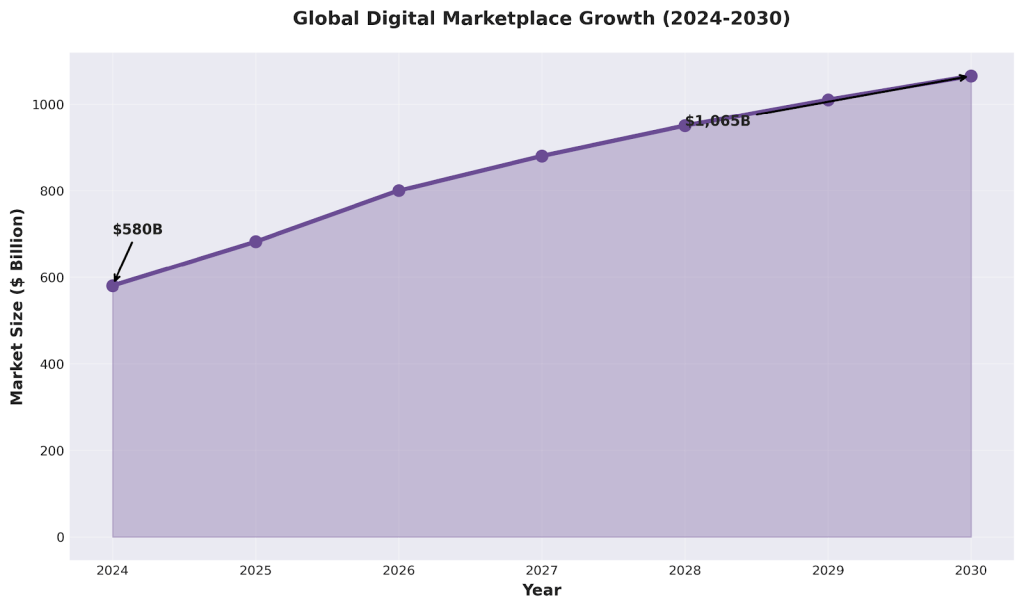
Figure 7: Projected Global Digital Marketplace Growth Trajectory (2024-2030)
__________________________________________________
Building Your Digital Empire: The Payment Infrastructure You Need
As you build your digital product business, one of the most critical—and often overlooked—components is your payment infrastructure. For independent creators and digital product sellers, managing global payments, sales tax, and compliance can be a major headache that distracts from the core work of creating and marketing your products. This is where a Merchant of Record (MoR) like [Fungies.io](https://fungies.io/) is essential.
A Merchant of Record handles all the complexities of the payment process on your behalf, including global payment processing in any currency, automatic sales tax and VAT compliance worldwide, fraud detection and chargeback management, and subscription and recurring billing management.
By partnering with an MoR like Fungies.io, you can sell your digital products to a global audience without the administrative burden, allowing you to focus on what you do best: creating amazing products and building your community. The complexity of global tax compliance alone can be overwhelming for independent sellers. Different countries have different tax rates, different reporting requirements, and different thresholds for when you need to register and collect taxes. A Merchant of Record takes all of this off your plate, ensuring that you are always in compliance no matter where your customers are located.
Fungies.io also provides a seamless checkout experience for your customers, supporting multiple payment methods and currencies. This reduces friction at the point of sale and increases your conversion rates. In the competitive digital products market, every percentage point of conversion matters, and a smooth, professional checkout experience can make the difference between a sale and an abandoned cart. By leveraging the right payment infrastructure, you can scale your business globally without the operational headaches that typically come with international expansion.
__________________________________________________
References
1] Amasty. (2025). *18 Most Profitable Digital Products to Sell in 2026*. [https://amasty.com/blog/best-digital-products-to-sell/
2] NeoReach. (2026). *Top 10 Creator Economy Trends for 2026*. [https://neoreach.com/creator-economy-trends-2026/
3] Rigby.js. (2025). *Top 18 Subscription Marketplace Features in 2026*. [https://www.rigbyjs.com/blog/subscription-marketplace-features
4] LinkedIn. (2026). *NFT Market in 2026: Experts Share Their Predictions*. [https://www.linkedin.com/pulse/nft-market-2026-experts-share-predictions-rachel-grace-kgd5c
5] WiserReview. (2025). *21 Latest Mobile Commerce statistics in 2026*. [https://wiserreview.com/blog/mobile-commerce-statistics/
6] California Miramar University. (2024). *Is Online Learning Here to Stay? Trends & Insights for 2026*. [https://www.calmu.edu/is-online-learning-here-to-stay-trends-insights-for-2026
”’