The digital product market is exploding. In 2026, creators are earning over $500 billion annually selling ebooks, courses, templates, and digital downloads. Whether you’re a designer, writer, educator, or developer, selling digital products offers one of the best paths to passive income — no inventory, no shipping, and unlimited scalability.
But here’s the challenge: most creators get stuck before they make their first sale. They struggle with platform choice, pricing, and marketing. This guide cuts through the noise and gives you a proven framework to start selling digital products online successfully.
What Are Digital Products?
Digital products are intangible goods delivered electronically. Unlike physical products, they can be sold infinitely without restocking. Popular digital products include:
- Ebooks and guides — In-depth content on specific topics
- Online courses — Video lessons with structured learning paths
- Templates — Notion templates, spreadsheets, design files, resumes
- Software and tools — Apps, plugins, scripts, and utilities
- Digital art and graphics — Illustrations, icons, stock photos
- Audio content — Music, sound effects, podcasts, meditation tracks
- Memberships — Exclusive content communities
The beauty of digital products is profit margin. After creation costs, each sale is nearly pure profit. No manufacturing. No warehousing. No shipping logistics.
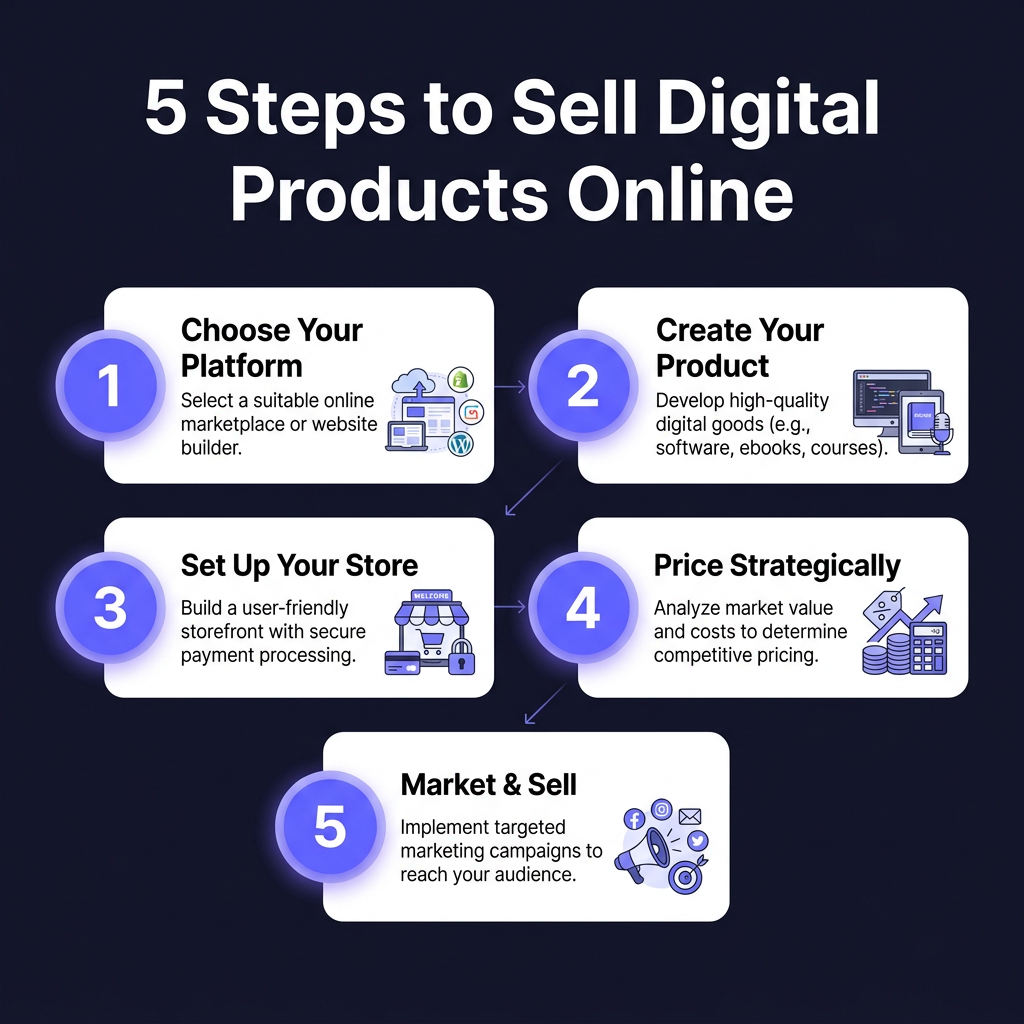
Step 1: Choose the Right Platform
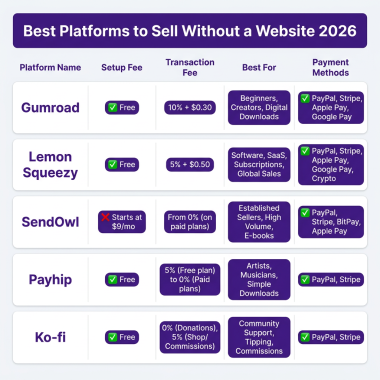
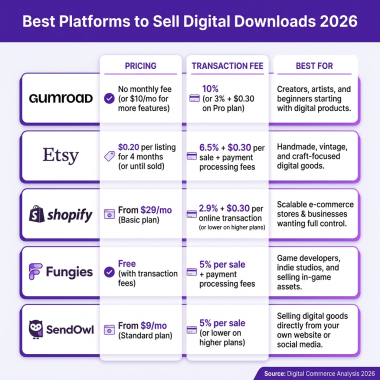
Your platform choice impacts fees, customer experience, and growth potential. Here’s how the top platforms compare:
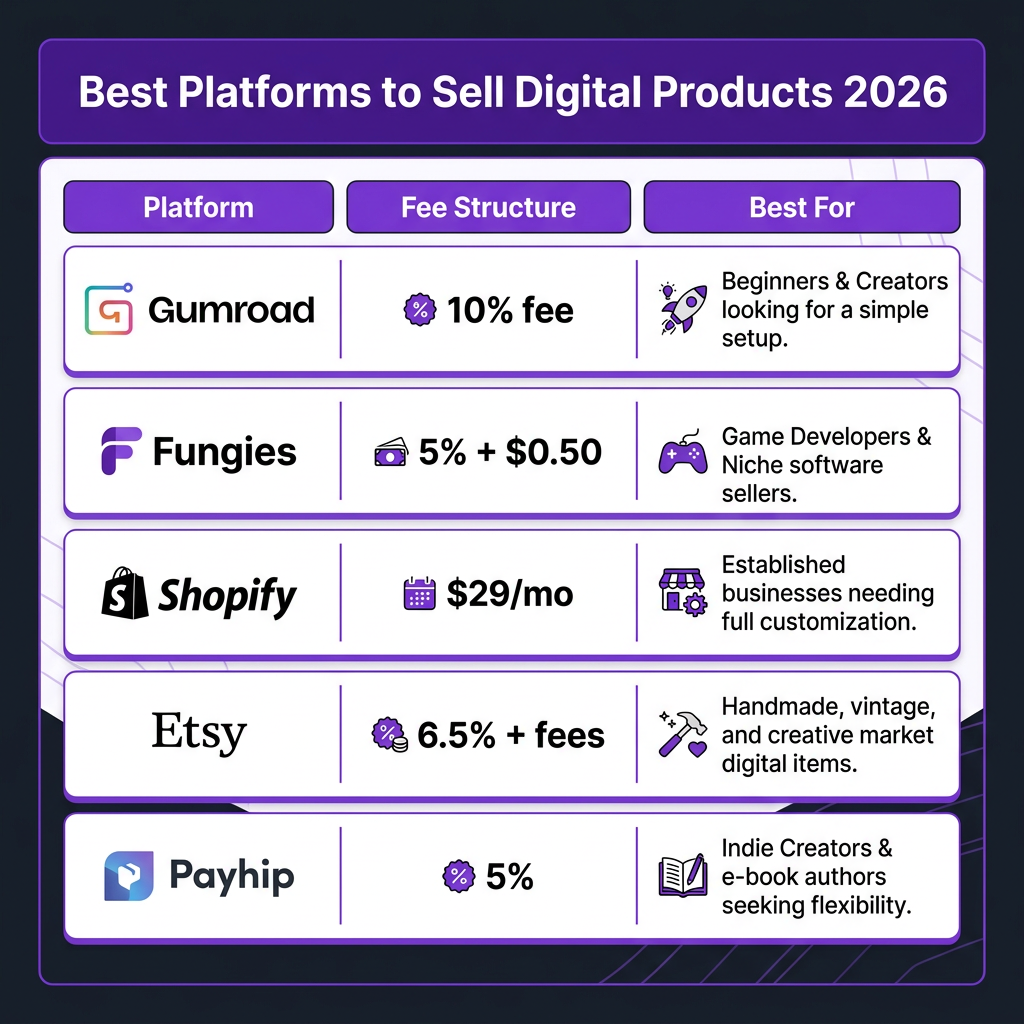
Gumroad charges 10% flat fee — simple but expensive at scale. For a $50 product, you lose $5 per sale. At 100 sales monthly, that’s $500 in fees alone.
Fungies.io offers 5% + $0.50 per transaction with full Merchant of Record benefits — tax compliance, global payments, and fraud protection included. On that same $50 product, you pay $3 instead of $5.
Shopify requires a $29-299 monthly subscription plus transaction fees. Better for established businesses with high volume.
Etsy takes 6.5% plus listing fees. Great for handmade-adjacent digital products but limited branding control.
Step 2: Create Your Digital Product
Successful digital products solve specific problems. The most profitable products in 2026 share these traits:
- Specific outcome — “Learn Python in 30 days” beats “Python course”
- Immediate value — Customers get results within hours, not months
- Professional quality — Design and polish matter for perceived value
- Unique angle — Differentiate from free alternatives
Start with your expertise. What do you know that others struggle with? What have you learned through experience? The best products come from personal knowledge gaps you’ve filled.
Step 3: Set Up Your Store
Your store setup determines conversion rates. Essential elements include:
- Compelling product images — Mockups showing your product in use
- Clear value proposition — What transformation does it deliver?
- Social proof — Testimonials, ratings, usage numbers
- FAQ section — Address objections before they arise
- Guarantee — Risk reversal increases conversions
Keep checkout friction minimal. Every extra form field reduces conversions by 10-15%. The best platforms offer one-click purchasing with saved payment methods.
Step 4: Price Strategically
>Pricing psychology matters. Here are proven strategies:
- Value-based pricing — Price based on outcome value, not time invested
- Tiered options — Basic, Pro, and Premium versions capture different budgets
- Anchor pricing — Show higher “retail” price next to sale price
- Bundle pricing — Multiple products together at perceived discount
Digital product pricing benchmarks in 2026:
- Ebooks: $9-47
- Templates: $19-97
- Courses: $97-997
- Software: $29-299/year
Step 5: Market and Sell
Build it and they won’t come. Marketing is 50% of the work. Effective channels for digital products:
- Content marketing — Blog posts, YouTube videos, podcasts solving related problems
- Social media — Twitter/X, LinkedIn, TikTok depending on your audience
- Email marketing — Highest ROI channel; build your list from day one
- Communities — Reddit, Discord, Facebook groups where your audience gathers
- Affiliates — Partners who promote for commission
- Paid ads — Facebook, Google, Pinterest once you have proven conversion
Start with organic channels. Validate demand before spending on ads. The creators winning in 2026 build audiences first, then monetize.
Ready to Start Selling Digital Products?
Join thousands of creators using Fungies.io — automated tax compliance, instant payouts, and the lowest fees in the industry.
No credit card required • 5% + $0.50 per transaction
Frequently Asked Questions
Do I need a business license to sell digital products?
Requirements vary by location. In the US, most states require a business license if you’re selling regularly. Using a Merchant of Record like Fungies handles tax compliance globally, but you may still need local business registration.
What digital products sell best?
Online courses and educational content consistently generate the highest revenue per customer. Templates (Notion, Excel, design) have lower price points but higher volume. Software and tools command premium pricing but require more development.
How do I handle taxes on digital product sales?
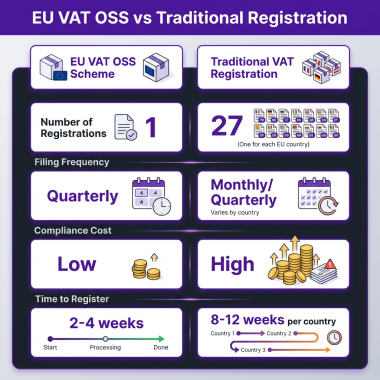
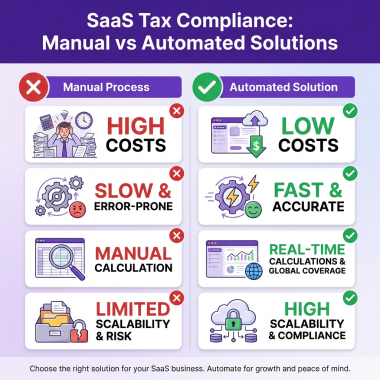
Digital products are subject to VAT in the EU, sales tax in the US, and GST in other regions. Rates vary by customer location. Using a Merchant of Record automatically calculates, collects, and remits these taxes for you.
Can I sell digital products internationally?
Yes, and you should. Digital products have no shipping constraints. Platforms like Fungies support 135+ currencies and local payment methods, making global sales seamless.
Conclusion
Selling digital products is one of the most accessible business models in 2026. Low startup costs, infinite scalability, and location independence make it ideal for creators, educators, and entrepreneurs.
Success requires three things: a product that solves a real problem, a platform that minimizes fees and friction, and consistent marketing to reach your audience. Start small, validate with real customers, and scale what works.
The tools have never been better. The audience has never been larger. The only question is: what will you create?