The SaaS market is not just growing; it’s undergoing a seismic shift. For indie SaaS developers and startups, 2026 is a landscape of unprecedented opportunity and intense competition. The global SaaS market, valued at $317.55 billion in 2024, is projected to skyrocket to $1.22 trillion by 2032, with an expected annual growth rate of 19.38% between 2025 and 2029 [1]. This explosive growth is fueled by the convergence of Software as a Service (SaaS) and Artificial Intelligence (AI), creating a new paradigm for how software is built, sold, and used. For the SaaS indie developer, this isn’t just an opportunity; it’s a call to action. The barriers to entry have never been lower, but the bar for success has never been higher. To succeed in this new era, you need more than just a good idea; you need a deep understanding of the technological and market forces that are shaping the future of software.
This article is your guide to navigating this dynamic environment. We’ll explore 20 of the most significant SaaS trends and AI tools that are defining 2026, providing the insights and data you need to build the next generation of successful online businesses. Whether you’re looking for the best AI tools for startups or want to understand the latest SaaS best practices, this deep dive will equip you with the knowledge to thrive.
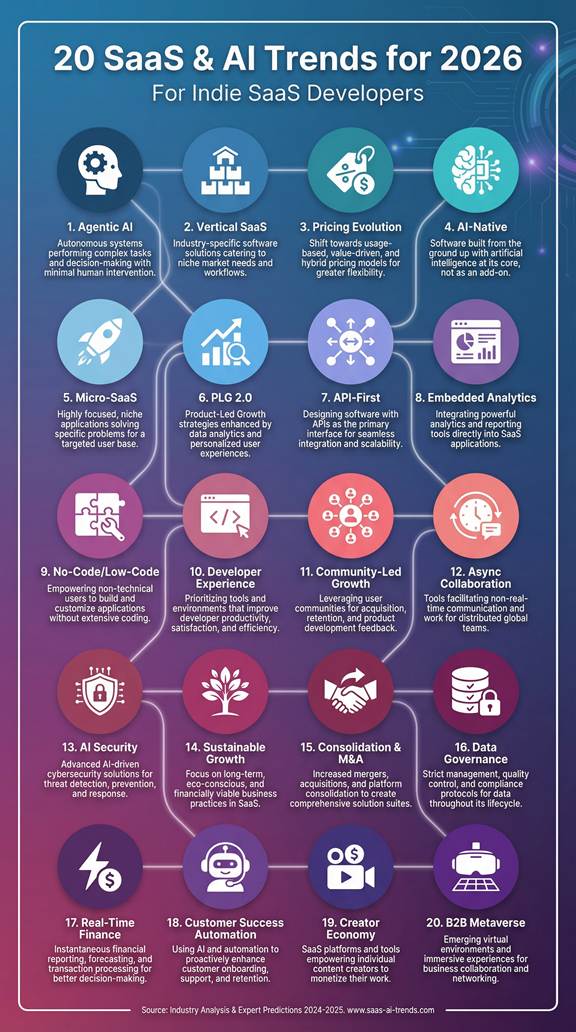
Figure 1: Overview of 20 SaaS & AI Trends for Indie Developers in 2026
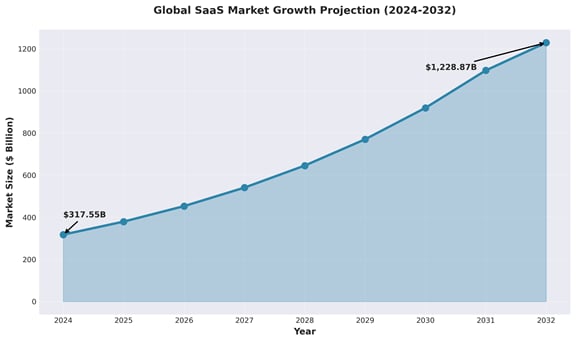
Figure 2: Global SaaS Market Growth Projection (2024-2032)
1. The Rise of Agentic AI and Autonomous Systems
Forget chatbots and simple automations. The year 2026 is defined by the rise of agentic AI, where autonomous systems can reason, plan, and execute complex multi-step tasks without human intervention. This is more than just a trend; it’s the next evolution of software. The agentic AI market is projected to surge from $7.8 billion today to over $52 billion by 2030 [2].
For indie SaaS developers, this means the opportunity to build truly autonomous solutions that solve complex business problems. Instead of building tools that help users do their work, you can build agents that do the work for them. Think of AI agents that can manage entire sales funnels, from lead generation to closing deals, or autonomous financial analysts that provide real-time strategic advice.
“With a team of agents, they’re doing their work autonomously, and I just review the final outcome, offer guidance when asked, and marvel at how much they can accomplish.” – David Heinemeier Hansson, Creator of Ruby on Rails [3]
This shift is powered by advancements in Large Language Models (LLMs) and the emergence of multi-agent orchestration, where teams of specialized agents collaborate to achieve a common goal. Gartner reports a staggering 1,445% surge in multi-agent system inquiries from Q1 2024 to Q2 2025, signaling a massive shift in how businesses are approaching automation [2].
This new breed of AI is built on a foundation of sophisticated LLMs, long-term memory, and complex planning capabilities. Unlike traditional automation, which follows a predefined script, agentic AI can dynamically adapt its strategy based on new information and changing circumstances. This allows it to handle a level of complexity and ambiguity that was previously the exclusive domain of human workers.
For the SaaS indie developer, the implications are profound. The opportunity is no longer just about building tools that make humans more efficient; it’s about building autonomous systems that can take on entire business functions. Imagine a marketing agent that can not only write ad copy but also design the creative, manage the budget, and optimize the campaign for maximum ROI. Or a customer service agent that can not only answer questions but also proactively identify and resolve issues before they escalate. These are the kinds of solutions that will define the next generation of SaaS, and they are well within the reach of a talented indie developer.
However, the rise of agentic AI also presents new challenges. Building and managing autonomous systems requires a new set of skills, including a deep understanding of AI ethics, safety, and governance. As these agents become more powerful and autonomous, it is essential to ensure that they are aligned with human values and that they operate in a safe and predictable manner. This is not just a technical challenge; it’s a moral and ethical one. For the indie developer, building a reputation for responsible AI will be just as important as building a powerful product.

Figure 3: Agentic AI Market Growth Projection (2024-2030)
2. Vertical SaaS 2.0: Deep Niches and Compound Workflows
The era of one-size-fits-all horizontal SaaS is giving way to Vertical SaaS 2.0. While horizontal SaaS like Slack or Salesforce cater to a wide range of industries, vertical SaaS targets the specific needs of a single industry, such as construction, healthcare, or legal. In 2026, this trend is accelerating, with a focus on deep niches and compound workflows.
Vertical SaaS companies are outperforming their horizontal counterparts, with a median growth rate of 31% compared to 28% for horizontal players [1]. The reason is simple: deep industry expertise creates a powerful competitive moat. These platforms speak the language of their customers, understand their unique workflows, and provide solutions that generic tools simply can’t match.
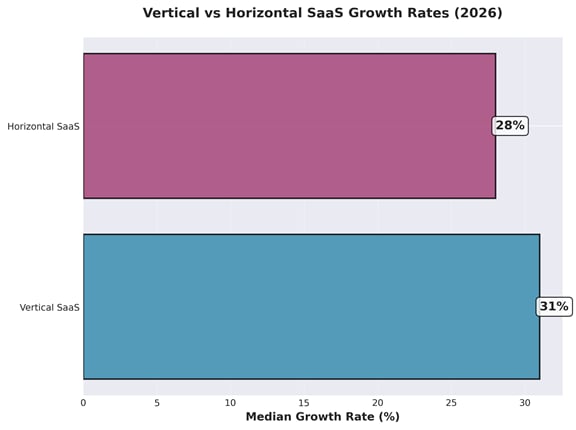
Figure 4: Vertical vs Horizontal SaaS Growth Rates (2026)
For indie SaaS developers, this is a golden opportunity. Instead of competing with tech giants in crowded horizontal markets, you can carve out a defensible niche by building a solution for a specific industry you know well. The key is to go beyond surface-level features and build a platform that becomes the operating system for that industry, managing everything from core operations to financial management.
“The future of SaaS is vertical. The riches are in the niches. The market is rewarding depth over breadth. If you can solve a deep, painful problem for a specific industry, you can build a very successful business.” – SaaS industry analyst
The beauty of vertical SaaS is that it allows you to build a much stickier product. When your platform is deeply embedded in your customers’ daily workflows, it becomes much harder for them to switch to a competitor. This leads to lower churn, higher customer lifetime value, and a more predictable revenue stream. Furthermore, by focusing on a single industry, you can become a true expert in that space, which allows you to build a stronger brand and command higher prices.
However, building a successful vertical SaaS business is not without its challenges. You need to have a deep understanding of the industry you are targeting, including its unique workflows, regulations, and terminology. You also need to be prepared to invest in a more targeted sales and marketing effort, as you won’t be able to rely on the broad-based marketing channels that horizontal SaaS companies use. But for the indie developer who is willing to put in the work, the rewards can be immense.
3. The Great Pricing Evolution: From Per-Seat to Per-Outcome
SaaS pricing is undergoing a radical transformation. The traditional per-seat model is being replaced by more flexible, value-aligned approaches. In 2026, we’re seeing a clear progression:
| Pricing Model | Description | Examples |
| SaaS (Software as a Service) | Pay per user, per month | Classic Salesforce, Adobe Creative Cloud |
| WaaS (Work as a Service) | Pay for tasks performed | AI design tools (per image), transcription services (per minute) |
| RaaS (Results as a Service) | Pay for business outcomes | AI SDRs (per qualified meeting), Fin (per resolution) |
This shift is driven by the high costs of AI and the demand for better value alignment. Customers are no longer willing to pay for shelfware; they want to pay for results. Usage-based pricing (UBP) is now used by 60% of SaaS companies, and 59% expect it to grow as a share of revenue [4].
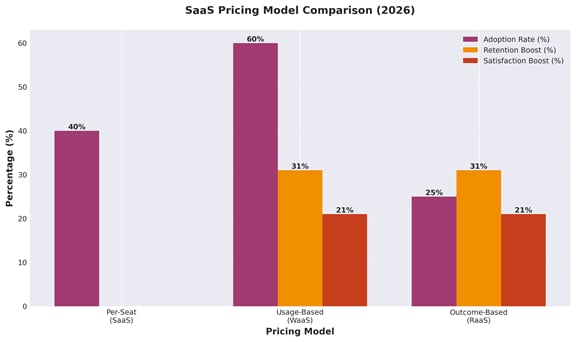
Figure 5: SaaS Pricing Model Comparison (2026)
For indie developers, this means rethinking your monetization strategy. Instead of a simple subscription, consider a hybrid model that combines a base fee with usage-based charges. Or, if you can clearly measure the value you provide, a Results-as-a-Service (RaaS) model can be a powerful differentiator. This approach has been shown to boost customer retention by 31% and satisfaction by 21% [4].
This shift is not without its challenges. Usage-based pricing can be more complex to implement and manage, and it can lead to unpredictable revenue streams. However, when done right, it can create a more equitable and sustainable business model. The key is to find the right balance between predictability and value alignment. A hybrid model, which combines a recurring subscription with a usage-based component, is often a good starting point for indie developers. This approach provides a predictable revenue base while still allowing you to capture additional revenue from your most active users.
Furthermore, the rise of AI is adding a new layer of complexity to SaaS pricing. The high computational costs of running large language models are forcing companies to move away from simple, all-you-can-eat pricing. We are now seeing the emergence of new pricing models that are specifically designed for AI-powered products, such as token-based pricing for LLM APIs and credit-based systems for AI-powered features. For the indie developer, this means that you need to have a clear understanding of your own costs and you need to be transparent with your customers about how you are pricing your AI-powered features.
4. AI-Native vs. AI-Enabled: The New SaaS Divide
A clear divide is emerging in the SaaS market: the distinction between AI-enabled and AI-native companies. AI-enabled companies are bolting on AI features to their existing products, often as premium add-ons. AI-native companies, on the other hand, are building their products from the ground up with AI at the core.
In 2026, AI-native startups are the ones to watch. They are not constrained by legacy codebases or existing UI paradigms, allowing them to create entirely new user experiences where autonomous agents are the primary interface. While incumbents are still figuring out how to integrate AI, agent-native startups are already delivering on the promise of autonomous software.
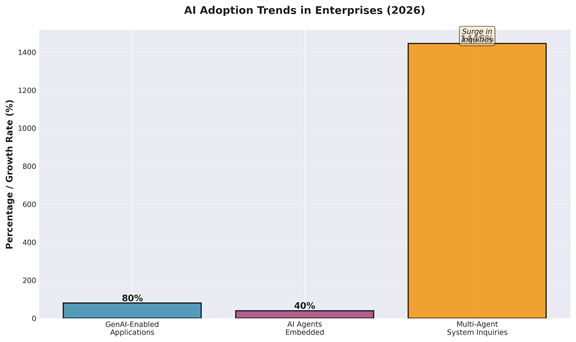
Figure 6: AI Adoption Trends in Enterprises (2026)
This creates a significant opportunity fFor indie SaaS developers, this presents a unique opportunity. You can leapfrog established players by adopting an AI-native approach from day one. However, be wary of “agent washing,” where companies rebrand simple automation as agentic AI. Industry analysts estimate that only about 130 of the thousands of claimed ‘AI agent’ vendors are building genuinely agentic systems [2].
The difference between AI-native and AI-enabled is not just a matter of marketing; it’s a fundamental architectural difference. AI-enabled products are often limited by the constraints of their legacy architecture, which can make it difficult to fully leverage the power of AI. AI-native products, on the other hand, are designed from the ground up to be intelligent, autonomous, and data-driven. This allows them to deliver a level of performance and a user experience that is simply not possible with a bolt-on approach.
For the indie developer, the choice between AI-native and AI-enabled is a strategic one. While it may be tempting to take a shortcut and simply add a few AI features to an existing product, the long-term rewards of building an AI-native product are much greater. By embracing an AI-native approach, you can build a product that is not just better than the competition, but fundamentally different.
5. The Rise of Micro-SaaS and Solopreneurship
The SaaS market is not just for venture-backed giants. A growing movement of indie SaaS developers and solopreneurs are building profitable Micro-SaaS businesses. A Micro-SaaS is a small, niche business that focuses on solving a specific problem for a specific audience. These businesses are often run by a single person or a small team and are characterized by their lean operations and high-profit margins.
For indie SaaS developers, the Micro-SaaS model is incredibly appealing.ws you to build a business around your own skills and interests, without the pressure of raising venture capital or managing a large team. The key to a successful Micro-SaaS is to find a painful problem that a niche audience is willing to pay to solve. Reddit communities, industry forums, and your own professional experiences are all great places to find inspiration for your next Micro-SaaS idea.
Examples of successful Micro-SaaS businesses are everywhere. Think of a browser extension that automates a tedious task, a specialized calculator for a niche industry, or a simple analytics tool for a specific platform. These products may not have the massive addressable market of a horizontal SaaS giant, but they can generate significant revenue for their creators. Many solopreneurs have built Micro-SaaS businesses that generate tens of thousands of dollars in monthly recurring revenue (MRR), providing them with a level of financial freedom and autonomy that is simply not possible in a traditional job.
The beauty of the Micro-SaaS model is that it allows you to stay lean and agile. You can build and launch your product quickly, iterate based on customer feedback, and adapt to changing market conditions without the bureaucracy and overhead of a larger company. This allows you to compete with much larger players, not by outspending them, but by outmaneuvering them.
6. Product-Led Growth (PLG) 2.0: The New Playbook
Product-Led Growth (PLG) has been a dominant strategy in SaaS for years, but the playbook is being rewritten in 2026. PLG 2.0 is more nuanced, more data-driven, and more focused on delivering value from the very first interaction. The old freemium model of offering a generous free tier with full features is dying. Instead, we’re seeing the rise of new free model playbooks:
- Reverse Trials: Full access for a limited time (e.g., 7-14 days), then a paywall.
- Credit-Based Models: A certain number of free actions or credits before requiring payment.
- Heavily Limited Free Tiers: Core functionality is free, but with strict usage caps.
For indie SaaS developers, this means you need to be strategic about your free offering. The goal is not to give away your product for free, but to use the free experience as a powerful acquisition channel. Your free trial or free plan should be designed to lead users to an “aha!” moment as quickly as possible, demonstrating the value of your product and compelling them to upgrade.
“Free isn’t dead. But indefinite access with full features? That’s gone.” – Wes Bush, Author of Product-Led Growth [7]
Another key aspect of PLG 2.0 is the rise of UI-less PLG. Some of the fastest-growing products in 2026 will have no traditional user interface at all. Instead, they will be accessed via APIs, command-line interfaces (CLIs), or AI agents that are embedded in existing workflows. This is a radical departure from the traditional, UI-centric model of SaaS, and it opens up a whole new world of possibilities for indie developers. You can build products that are more deeply integrated into your customers’ workflows, providing value in a more seamless and context-aware manner.
Finally, PLG 2.0 is being supercharged by AI. AI is being used to personalize the onboarding experience, identify users who are at risk of churning, and provide proactive support. For the indie developer, this means that you can use AI to automate many of the manual and time-consuming tasks associated with PLG, allowing you to focus on what you do best: building a great product.
7. The Composable Enterprise and API-First SaaS
The future of enterprise software is composable. Instead of monolithic, all-in-one suites, businesses are building their tech stacks from a collection of modular, best-of-breed applications that are connected via APIs. This composable architecture allows for greater flexibility, faster innovation, and a more tailored user experience.
This trend is driving the rise of API-first SaaS. In an API-first model, the API is not an afterthought; it’s the core product. The user interface (UI) is just one of many ways to interact with the service. This approach is essential for building products that can be easily integrated into the composable enterprise.
For indie SaaS developers, an API-first approach can be a powerful growth strategy. By building a robust and well-documented API, you can tap into a new distribution channel, allowing other developers to build on top of your platform and integrate your service into their own applications. This creates a powerful network effect, where the value of your product increases as more developers build on your platform.
Companies like Stripe and Twilio are prime examples of the power of an API-first approach. They have built massive businesses by providing developers with the tools they need to build powerful applications. By focusing on the developer experience and building a robust and reliable API, they have become the backbone of the internet economy.
For the indie developer, the lesson is clear: don’t treat your API as an afterthought. Treat it as a first-class product. This means investing in clear and comprehensive documentation, providing responsive developer support, and building an API that is both powerful and easy to use. By doing so, you can unlock a powerful new growth channel and build a business that is deeply embedded in the fabric of the internet.
8. Embedded Analytics and Data-Driven Experiences
Data is the new oil, and in 2026, embedded analytics is how you refine it. Instead of forcing users to export their data to a separate business intelligence (BI) tool, forward-thinking SaaS companies are embedding analytics directly into their applications. This provides users with the insights they need, right where they need them, within the context of their daily workflows.
For indie SaaS developers, embedded analytics is a powerful way to increase the value and stickiness of your product. By providing your users with actionable insights and data-driven recommendations, you can transform your application from a simple tool into an indispensable business partner. There are a number of excellent embedded analytics tools on the market that make it easy to add powerful data visualization and reporting capabilities to your application without having to build them from scratch.
This is not just about adding a few charts and graphs to your dashboard. It’s about creating a truly data-driven experience, where insights are woven into the fabric of your application. For example, a project management tool could use embedded analytics to show users which tasks are falling behind schedule, which team members are overloaded, and which projects are at risk of going over budget. This allows users to make better decisions and take corrective action before it’s too late.
The rise of AI is also transforming the world of embedded analytics. AI-powered analytics can automatically surface insights that would be difficult or impossible for a human to find. For example, an e-commerce platform could use AI to identify which products are most likely to be purchased together, or which customers are at risk of churning. This allows businesses to personalize the customer experience and make more targeted marketing and sales efforts.
9. The Democratization of Development: No-Code and Low-Code Platforms
The line between software creators and consumers is blurring, thanks to the rise of no-code and low-code platforms. These tools empower non-technical users to build and deploy their own applications without writing a single line of code. In 2026, this trend is not just continuing; it’s accelerating, with a growing number of platforms that are both powerful and easy to use.
For indie SaaS developers, this trend presents both a challenge and an opportunity. On one hand, the rise of no-code tools means that your potential customers can now build their own solutions instead of buying yours. On the other hand, you can leverage these platforms to build and launch your own products faster and with fewer resources. You can also build a business around the no-code ecosystem, creating templates, plugins, or tutorials for popular platforms like Bubble, Webflow, or WeWeb.
This democratization of development is not just about building simple websites or mobile apps. Modern no-code and low-code platforms are incredibly powerful, allowing users to build complex applications with sophisticated logic, database integrations, and user authentication. This means that the line between a “no-code” application and a “coded” application is becoming increasingly blurred.
For the indie developer, this means that you can no longer compete on technical execution alone. You need to compete on product vision, user experience, and domain expertise. The good news is that no-code and low-code platforms can be a powerful secret weapon in your arsenal. By using these tools to build your MVP (Minimum Viable Product), you can get to market faster, validate your idea with real users, and start generating revenue sooner. This allows you to de-risk your startup and build a more sustainable business in the long run.
10. Developer Experience (DX) as a Competitive Imperative
In the world of API-first and composable SaaS, Developer Experience (DX) has become as critical as User Experience (UX). DX refers to the overall experience that developers have when they interact with your platform, from the quality of your documentation to the ease of use of your API. In 2026, a superior DX is no longer a nice-to-have; it’s a competitive imperative.
Research from Atlassian shows that 97% of developers are losing significant time to inefficiencies, and the majority have considered leaving their jobs due to a poor developer experience [5]. For indie SaaS developers, this is a clear signal: if you want to attract and retain developer customers, you need to invest in DX. This means creating clear, comprehensive documentation, providing responsive developer support, and building an API that is both powerful and easy to use.
A great DX can be a powerful competitive advantage. When developers love using your product, they become your most passionate advocates. They will write blog posts about your API, create tutorials for your platform, and recommend your product to their peers. This kind of organic, word-of-mouth marketing is incredibly valuable, and it’s something that money can’t buy.
So, what does a great DX look like in practice? It starts with a well-designed API that is consistent, predictable, and easy to understand. It includes clear and comprehensive documentation with plenty of code samples and real-world examples. It means providing a seamless onboarding experience that allows developers to get up and running with your API in minutes, not hours. And it means providing responsive and knowledgeable developer support that can help developers when they get stuck. By investing in these areas, you can create a DX that will set you apart from the competition and make your product a joy to use.
11. Community-Led Growth (CLG): Building a Movement, Not Just a Product
In an increasingly crowded SaaS market, the most successful companies are not just building products; they are building communities. Community-Led Growth (CLG) is a go-to-market strategy that focuses on building a community of passionate users who not only love your product but also actively contribute to its growth. This can take many forms, from a thriving online forum to a series of local meetups.
For indie SaaS developers, CLG is a powerful and cost-effective way to acquire and retain customers. By building a community around your product, you can create a powerful feedback loop, where your users provide you with valuable insights, help you improve your product, and become your most effective advocates. Platforms like Discord, Slack, and Reddit have become popular hubs for SaaS communities, providing a space for users to connect, share best practices, and get help from both the company and their peers.
“Your community is your moat. It’s the one thing that your competitors can’t copy.” – a community-led growth expert
Building a successful community is not just about creating a forum and hoping for the best. It’s about actively fostering a sense of belonging and shared purpose. This means creating valuable content, hosting engaging events, and empowering your most active members to take on leadership roles. It also means being an active and authentic participant in the community yourself. As an indie developer, you have a unique opportunity to build a personal connection with your users, which can be a powerful driver of loyalty and advocacy.
The benefits of a strong community are numerous. In addition to providing a valuable source of feedback and support, a thriving community can also be a powerful marketing engine. Your community members will share your product with their friends and colleagues, write positive reviews, and create user-generated content that can help you reach a wider audience. This kind of organic, word-of-mouth marketing is not only more effective than traditional advertising, but it’s also much more cost-effective, which is a huge advantage for a bootstrapped indie developer.
12. The Unbundling of the Office Suite and the Rise of Async Collaboration
The traditional, monolithic office suite is being unbundled. Instead of a single, all-in-one solution, teams are now using a collection of best-of-breed tools for specific tasks, from communication and collaboration to project management and design. This trend is being driven by the rise of remote and distributed teams, who need tools that are flexible, collaborative, and support asynchronous work.
For indie SaaS developers, this unbundling creates a wealth of opportunities. You can build a successful business by creating a tool that does one thing exceptionally well, whether it’s a better way to take meeting notes, a more intuitive project management tool, or a more collaborative design platform. The key is to focus on a specific pain point and build a solution that is significantly better than the status quo.
The rise of asynchronous work is a key driver of this trend. Distributed teams that work across multiple time zones can’t rely on real-time communication to get their work done. They need tools that allow them to collaborate effectively, without having to be in the same place at the same time. This has created a demand for a new generation of collaboration tools that are designed for asynchronous work, such as Loom for video messaging, Slab for knowledge management, and Threads for asynchronous discussions.
For the indie developer, this is a greenfield opportunity. The market for asynchronous collaboration tools is still in its early days, and there is plenty of room for innovation. By building a tool that helps distributed teams work together more effectively, you can build a valuable and highly relevant SaaS business.
13. AI-Powered Security and the Zero Trust Imperative
As SaaS and AI become more deeply embedded in business operations, security has become a paramount concern. In 2026, the cybersecurity landscape is being shaped by two key trends: the rise of AI-powered security and the widespread adoption of the Zero Trust architecture.
AI is a double-edged sword in the world of security. On one hand, malicious actors are using AI to launch more sophisticated and evasive attacks. On the other hand, security companies are using AI to detect and respond to threats faster and more effectively than ever before. For indie SaaS developers, this means that security can no longer be an afterthought. You need to build security into your product from the ground up, and you should consider leveraging AI-powered security tools to protect your application and your customers’ data.
The Zero Trust model is a security framework that is based on the principle of “never trust, always verify.” In a Zero Trust architecture, no user or device is trusted by default, even if they are inside the corporate network. Every access request is authenticated and authorized before it is granted. For SaaS providers, adopting a Zero Trust approach is essential for protecting sensitive data and preventing unauthorized access.
Implementing a Zero Trust architecture can be complex, but it is becoming increasingly necessary in today’s threat landscape. For the indie developer, this means that you need to think about security from day one. This includes everything from using strong authentication and encryption to implementing fine-grained access controls. You should also consider using a third-party security provider to help you implement a Zero Trust architecture. While this may add to your costs, it is a worthwhile investment that can help you protect your business and your customers from the ever-growing threat of cyberattacks.
Furthermore, the rise of AI is creating new security challenges. AI-powered attacks are becoming more sophisticated and harder to detect. This means that you need to be constantly vigilant and you need to be prepared to adapt your security posture as the threat landscape evolves. This includes everything from using AI-powered security tools to detect and respond to threats, to educating your users about the dangers of phishing and other social engineering attacks.
14. The Rise of the Sustainable Growth Model
The “growth at all costs” mindset that dominated the SaaS industry for years is officially dead. In 2026, the focus has shifted to sustainable growth, where profitability is just as important as revenue growth. This shift is driven by a more challenging economic environment and a greater focus on long-term value creation.
The Rule of 40 has become a key metric for evaluating the performance of SaaS companies. The Rule of 40 states that a healthy SaaS company’s growth rate plus its profit margin should equal or exceed 40%. This metric provides a balanced view of a company’s performance, taking into account both its growth and its profitability.
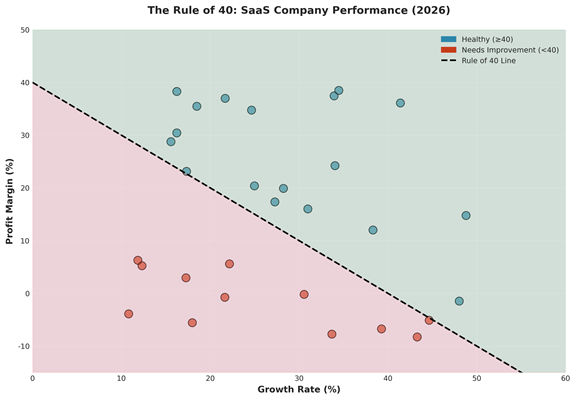
Figure 7: The Rule of 40 – SaaS Company Performance (2026)
For indie SaaS developers, this shift to sustainable growth is good news. It means that you don’t need to chase hypergrowth or raise massive amounts of venture capital to build a successful business. Instead, you can focus on building a profitable business that can grow at a sustainable pace. This approach allows you to maintain control of your company and build a business that is aligned with your own personal and financial goals.
This doesn’t mean that growth is no longer important. It just means that growth needs to be balanced with profitability. For the indie developer, this means that you need to have a clear understanding of your unit economics. You need to know how much it costs you to acquire a new customer, and you need to make sure that the lifetime value of that customer is significantly higher than the acquisition cost. This may sound simple, but it’s something that many venture-backed startups have struggled with in their pursuit of growth at all costs.
The focus on sustainable growth is also leading to a renewed appreciation for bootstrapping. Bootstrapped businesses are funded by their own revenue, which forces them to be disciplined and resourceful. While bootstrapping can be more challenging in the short term, it can lead to a more sustainable and resilient business in the long run. For the indie developer, bootstrapping is a viable and attractive alternative to the venture capital treadmill.
15. Consolidation and M&A in a Crowded Market
The SaaS market is becoming increasingly crowded. With over 30,800 SaaS companies worldwide in 2025, consolidation is inevitable [6]. In 2026, we are seeing a wave of mergers and acquisitions (M&A) as larger companies look to acquire innovative startups and expand their market share.
For indie SaaS developers, this trend presents both a threat and an opportunity. On one hand, the increasing competition can make it harder to stand out. On the other hand, the active M&A market means that there are more potential exit opportunities for successful SaaS businesses. If you build a valuable product with a strong customer base, you could become an attractive acquisition target for a larger company.
This consolidation is happening across the board, from large enterprise software companies acquiring smaller competitors to private equity firms rolling up multiple SaaS businesses in the same vertical. The goal is to achieve economies of scale, expand market share, and acquire new technologies and talent. For the indie developer, this means that the competitive landscape is constantly changing. A small, nimble startup today could be part of a much larger organization tomorrow.
This also means that you need to be strategic about your positioning. If you are building a business with the goal of being acquired, you need to understand what potential acquirers are looking for. This includes everything from your technology stack and your customer base to your team and your financial performance. By building a business that is attractive to potential acquirers, you can increase your chances of a successful exit. However, it’s important to remember that an acquisition should not be your only goal. The most valuable businesses are those that are built to last, regardless of whether they are eventually acquired.
16. The Central Role of Data Governance and Quality
In the age of AI, data is the most valuable asset. However, data is only valuable if it is accurate, complete, and well-governed. In 2026, data governance and data quality have become top priorities for businesses of all sizes. CFOs are now taking ownership of data quality, and companies are implementing robust governance frameworks to ensure that their data is managed securely and responsibly.
For indie SaaS developers, this means that you need to be a good steward of your customers’ data. This includes everything from ensuring the accuracy of the data you collect to protecting it from unauthorized access. By building a reputation for strong data governance, you can build trust with your customers and create a powerful competitive advantage.
This is not just about complying with regulations like GDPR and CCPA; it’s about building a foundation of trust with your users. In a world where data breaches are becoming increasingly common, users are more discerning than ever about who they trust with their personal information. By demonstrating a commitment to data privacy and security, you can differentiate yourself from the competition and attract customers who value their privacy.
Furthermore, high-quality data is the fuel that powers AI. If you want to build a successful AI-powered product, you need to have a clean, accurate, and well-organized dataset. This means that you need to invest in data quality from day one. This includes everything from data validation and cleansing to data enrichment and transformation. By building a strong data foundation, you can unlock the full potential of AI and build a product that is truly intelligent and intelligent.
17. Real-Time Financial Intelligence
The days of relying on static spreadsheets and monthly reports are over. In 2026, businesses are demanding real-time financial intelligence. This means having instant access to key financial metrics, predictive forecasts, and actionable insights that can inform strategic decisions. This shift is being enabled by the convergence of AI, cloud computing, and modern data architectures.
FP&A (Financial Planning & Analysis) teams are evolving. They are no longer just number crunchers; they are strategic partners to the business. To succeed in this new role, they need more technical skills, including proficiency in BI (Business Intelligence) tools and SQL. They also need a deep understanding of the business and the ability to translate financial data into actionable insights.
For indie SaaS developers, this trend creates a significant opportunity to build innovative FinTech solutions. You can create tools that provide real-time financial dashboards, automate financial reporting, or use AI to generate more accurate and dynamic forecasts. By helping businesses make better, faster financial decisions, you can build a valuable and highly defensible SaaS business.
The demand for real-time financial intelligence is being driven by the increasing complexity and volatility of the business environment. In a world where market conditions can change in an instant, businesses can no longer afford to wait for monthly or quarterly reports to understand their financial performance. They need instant access to the data and insights that can help them navigate uncertainty and seize new opportunities.
For the indie developer, this is a chance to build a product that can become the single source of truth for a company’s financial data. By integrating with a variety of data sources, from accounting software and payment processors to CRM and marketing automation platforms, you can provide a holistic view of a company’s financial health. And by using AI to surface insights and generate predictive forecasts, you can help businesses move from reactive to proactive financial management.
18. The Automation of Customer Success
Customer success has always been a critical function for SaaS businesses, but in 2026, it’s being supercharged by AI and automation. Instead of relying on manual processes and human intervention, companies are now using AI-powered customer success platforms to proactively identify at-risk customers, automate personalized outreach, and scale their customer success efforts.
These platforms use machine learning to analyze customer usage data, support tickets, and other signals to generate a health score for each customer. When a customer’s health score drops, the platform can automatically trigger a series of actions, such as sending a personalized email, scheduling a meeting with a customer success manager, or offering a targeted in-app guide.
For indie SaaS developers, this is another area where you can leverage AI tools to build a powerful and valuable product. You can create a customer success platform that helps other SaaS businesses reduce churn, increase customer satisfaction, and drive expansion revenue. By automating the repetitive and time-consuming tasks associated with customer success, you can free up human CSMs to focus on high-value, strategic activities.
The impact of this automation is significant. By proactively identifying and addressing customer issues, AI-powered customer success platforms can reduce churn by up to 30% and increase customer satisfaction by up to 20% [4]. This has a direct impact on the bottom line, as it is much more expensive to acquire a new customer than it is to retain an existing one.
For the indie developer, the opportunity is to build a customer success platform that is both powerful and easy to use. Many of the existing solutions on the market are complex and expensive, which puts them out of reach for many small and medium-sized businesses. By building a more accessible and affordable solution, you can tap into a large and underserved market. You can also focus on a specific niche, such as customer success for mobile apps or for e-commerce businesses. By tailoring your product to the unique needs of a specific industry, you can build a more valuable and defensible business.
19. The Intersection of the Creator Economy and SaaS
The creator economy is booming, and in 2026, it’s intersecting with the SaaS world in new and exciting ways. Creators are no longer just using social media platforms to share their content; they are building their own businesses, complete with their own products, services, and communities. This has created a massive demand for tools that can help creators monetize their content, engage their audience, and manage their business operations.
This is a huge opportunity For indie SaaS developers, this is a massive and largely untapped market. You can build tools that help creators with everything from building and managing their own membership sites to selling digital products and running online courses. The key is to understand the unique needs of creators and build tools that are simple, intuitive, and designed to help them succeed.
This is a market that is ripe for disruption. Many of the existing tools for creators are either too complex, too expensive, or too generic. There is a huge opportunity for indie developers to build tools that are specifically designed for the needs of creators. For example, you could build a tool that helps creators manage their brand partnerships, a tool that helps them create and sell their own merchandise, or a tool that helps them analyze their audience data and create more engaging content.
The creator economy is not just a consumer phenomenon; it’s a B2B opportunity. As more and more creators become businesses, they will need the same kinds of tools and services that traditional businesses use. This includes everything from accounting and legal services to marketing and sales tools. By building a SaaS product that is tailored to the needs of creators, you can build a valuable and fast-growing business.
20. The Dawn of Immersive B2B SaaS in the Metaverse
While the consumer-facing metaverse has been slow to take off, the B2B metaverse is starting to show real promise. In 2026, we are seeing the emergence of immersive B2B SaaS applications that are designed to enhance collaboration, training, and customer experiences. These applications are using virtual reality (VR) and augmented reality (AR) to create immersive, interactive experiences that are more engaging and effective than traditional 2D applications.
For example, imagine a VR training application that allows new employees to learn how to operate complex machinery in a safe and realistic virtual environment. Or an AR application that allows a field service technician to overlay digital instructions on a piece of equipment they are repairing. These are just a few examples of the many ways that immersive technologies are being used to create value in the B2B world.
For indie SaaS developers, this is a new and exciting frontier. The B2B metaverse is still in its early days, which means there is a huge opportunity to get in on the ground floor and build the next generation of immersive SaaS applications.
While the hardware is still evolving, the underlying technologies are becoming more accessible and affordable. This is creating a new wave of opportunities for developers to build immersive experiences that were not possible just a few years ago. For the indie developer, this is a chance to experiment with new technologies and create truly innovative products.
The key to success in the B2B metaverse is to focus on real-world business problems. Don’t just build a VR experience for the sake of it. Instead, think about how you can use immersive technologies to solve a specific pain point for a specific industry. For example, you could build a VR application that allows architects to walk through a virtual model of a building before it is built, or an AR application that helps warehouse workers find the right products more quickly. By focusing on practical applications, you can build a valuable and sustainable business in the B2B metaverse.
Conclusion: The Indie Developer’s Roadmap to Success in 2026
The SaaS and AI landscape of 2026 is a world of incredible opportunity for those who are willing to adapt and innovate. The trends we’ve explored in this article are not just abstract concepts; they are a roadmap to success for indie SaaS developers and startups. By understanding these trends and building products that are aligned with the future of software, you can carve out your own niche in this dynamic and fast-growing market.
Remember, the key to success is not to chase every trend, but to focus on a specific problem that you are passionate about solving. Whether you’re building an AI-native application, a vertical SaaS platform, or a Micro-SaaS business, the most important thing is to build a product that your customers love. With the right idea, the right strategy, and a relentless focus on execution, you can build a thriving SaaS business in 2026 and beyond.
References
[1] Vena Solutions. (2026). 85 SaaS Statistics for 2026.
https://www.venasolutions.com/blog/saas-statistics
[2] Machine Learning Mastery. (2026 ). 7 Agentic AI Trends to Watch in 2026.
https://machinelearningmastery.com/7-agentic-ai-trends-to-watch-in-2026/
[3] Heinemeier Hansson, D. (2026 ). Promoting AI agents.
https://world.hey.com/dhh/promoting-ai-agents-3ee04945
[4] BetterCloud. (2026 ). AI and the SaaS industry in 2026.
https://www.bettercloud.com/monitor/saas-industry/
[5] Atlassian. (2025 ). New Atlassian research on developer experience.
https://www.atlassian.com/blog/developer/developer-experience-report-2024
[6] Forbes. (2026 ). The SaaS Clarity Gap: Why Buyers Pull Back.
https://www.forbes.com/councils/forbesbusinesscouncil/2026/01/09/the-saas-clarity-gap-why-buyers-pull-back/
[7] ProductLed. (2026 ). PLG Predictions for 2026.
https://productled.com/blog/plg-predictions-for-2026
Building Your SaaS Business: The Payment Infrastructure You Need
As you embark on your journey to build the next great SaaS business, one of the most critical decisions you’ll make is how to handle payments. For indie SaaS developers, managing payment infrastructure can be complex, time-consuming, and fraught with compliance challenges. This is where a Merchant of Record (MoR) solution like [Fungies.io](https://fungies.io/) becomes invaluable.
What is a Merchant of Record?
A Merchant of Record is a service that acts as the seller of record for your digital products and services. This means they handle all aspects of the payment process, including:
- Global payment processing across multiple currencies and payment methods
- Tax compliance (VAT, GST, sales tax) in every jurisdiction where you sell
- Fraud prevention and chargeback management
- Subscription management and recurring billing
- Revenue recognition and financial reporting
For indie developers, this means you can focus on building your product while your MoR handles the complex world of global payments and compliance.
Why Fungies.io for Your SaaS Business?
Fungies.io is designed specifically for the needs of modern SaaS businesses. Whether you’re building a Micro-SaaS, a vertical SaaS platform, or an AI-native application, Fungies.io provides the payment infrastructure you need to scale globally without the overhead of managing compliance and payment operations.
With Fungies.io, you get:
- Fast integration with simple APIs and SDKs
- Global reach with support for 135+ currencies and local payment methods
- Automatic tax compliance in 190+ countries
- Flexible pricing models supporting subscription, usage-based, and hybrid pricing
- Developer-first experience with comprehensive documentation and support
As you implement the SaaS trends and best practices outlined in this article, having a reliable payment partner like Fungies.io ensures that your payment infrastructure scales with your business, allowing you to focus on what you do best: building great software.