SaaS payment processing in 2026 looks nothing like it did five years ago. The days of simply integrating Stripe and calling it done are over. Today’s SaaS founders face a complex landscape of embedded payments, AI-powered fraud detection, tokenization, and emerging payment methods that customers increasingly expect.
If you’re building or scaling a SaaS business, understanding these trends isn’t optional—it’s competitive necessity. This guide breaks down the five biggest shifts in SaaS payment processing for 2026 and what they mean for your business.
1. Embedded Payments: The End of the Checkout Page
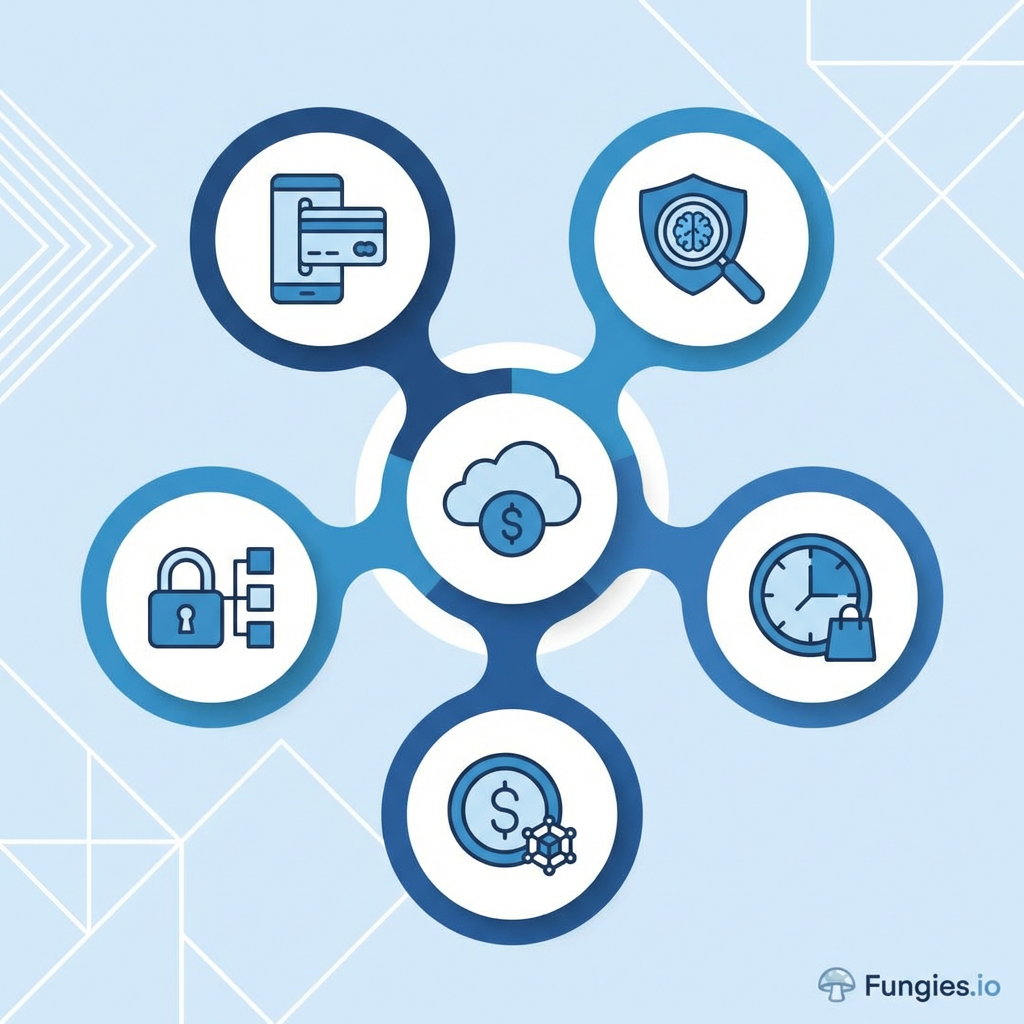
The traditional checkout page is dying. In 2026, the most successful SaaS companies are dismantling their checkout experiences and embedding payment functionality directly where customers want to pay.
Instead of redirecting users to a separate billing page, embedded payments allow customers to upgrade, subscribe, or purchase without leaving their current context. Think in-app purchases, contextual upgrade prompts, and frictionless subscription management.
Why this matters: Every additional step in your payment flow costs you conversions. Embedded payments reduce friction and capture revenue at the moment of intent—not five clicks later.
2. AI-Powered Fraud Detection Gets Sophisticated
Fraud isn’t getting easier to detect—it’s getting harder. As AI tools become more accessible to criminals, payment fraud has evolved from simple card testing to sophisticated attacks that mimic legitimate user behavior.
The response? AI fighting AI. Modern payment processors now use machine learning models that analyze hundreds of data points in real-time: device fingerprints, behavioral biometrics, transaction patterns, and network signals. These systems can detect anomalies humans would never spot.
What to look for: Payment providers offering real-time risk scoring, adaptive authentication, and behavioral analysis—not just basic AVS and CVV checks.
3. Tokenization and Payment Orchestration
Payment tokenization—replacing raw card numbers with secure tokens—has become table stakes. But in 2026, it’s evolving into something more powerful: payment orchestration.
Smart SaaS companies are no longer relying on a single payment provider. Instead, they’re using orchestration layers that route transactions to the optimal processor based on currency, card type, geographic location, and real-time performance data.
The benefit: Higher approval rates, lower processing costs, and resilience against provider outages. When one processor fails, traffic automatically routes to another.
4. Buy Now, Pay Later (BNPL) Enters B2B SaaS
BNPL isn’t just for e-commerce anymore. In 2026, business customers increasingly expect flexible payment terms for software purchases—especially for annual contracts and enterprise deals.
SaaS companies offering BNPL options for annual subscriptions are seeing higher conversion rates on premium tiers. Instead of asking customers to pay $12,000 upfront, they can offer 12 monthly payments of $1,000—reducing sticker shock and improving cash flow for buyers.
Implementation tip: Look for payment providers that offer B2B BNPL without requiring complex underwriting for each transaction.
5. Stablecoins and Crypto Go Mainstream
Stablecoins—cryptocurrencies pegged to fiat currencies like the US dollar—are becoming legitimate payment infrastructure. For SaaS companies with international customers, stablecoins offer significant advantages: near-instant settlement, lower fees than wire transfers, and no currency conversion headaches.
Major payment processors now support stablecoin acceptance alongside traditional payment methods. Customers pay in USDC; you receive dollars in your bank account. The crypto complexity is abstracted away.
Consider this if: You have customers in regions with limited banking infrastructure or high currency volatility.
What This Means for SaaS Founders
These trends aren’t futuristic—they’re happening now. Here’s how to adapt:
- Audit your current stack: Is your payment infrastructure built for 2026 or 2020?
- Prioritize flexibility: Choose providers that support multiple payment methods and currencies out of the box
- Think global from day one: International customers expect local payment methods
- Automate compliance: Tax, VAT, and regulatory requirements are too complex to handle manually at scale
How to Choose a Payment Stack in 2026
When evaluating payment infrastructure for your SaaS, consider:
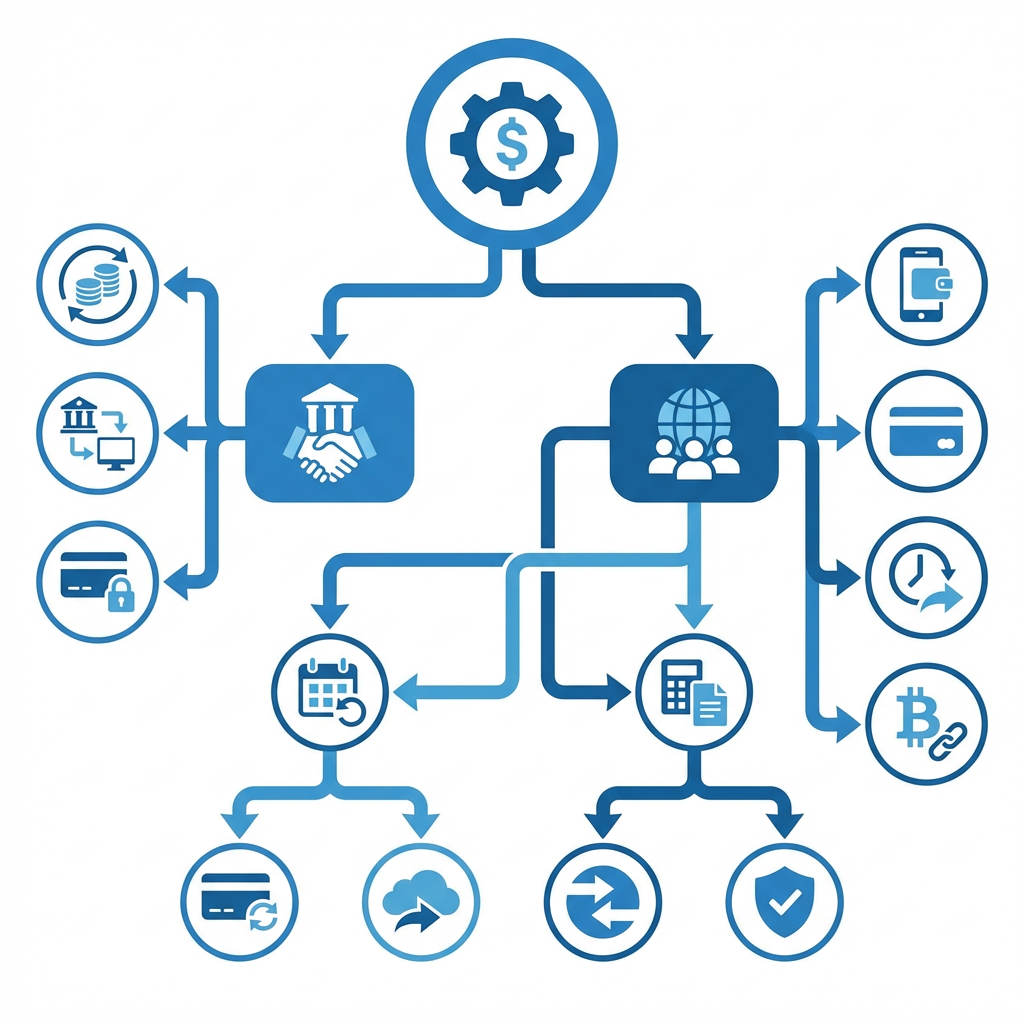
1. Global coverage: Does it support the countries and payment methods your customers use?
2. Compliance automation: Will it handle tax calculation, collection, and remittance automatically?
3. Developer experience: How quickly can your team implement and iterate?
4. Pricing transparency: Are there hidden fees for international transactions, currency conversion, or chargebacks?
5. Reliability: What’s the uptime SLA? What happens when things go wrong?
Simplify Your Payment Infrastructure with Fungies
Building modern payment infrastructure doesn’t have to mean managing dozens of integrations, compliance spreadsheets, and tax registrations. Fungies provides a complete Merchant of Record solution that handles:
- Global payment processing with 20+ local payment methods
- Automatic tax calculation and remittance in 160+ countries
- AI-powered fraud prevention
- Subscription management and dunning
- Multi-currency support with competitive FX rates
Stop wrestling with payment complexity. Focus on building great software—let Fungies handle the rest.
Written by Dawid, Technical Lead at Fungies.io. Follow us on Twitter for more SaaS payment insights.