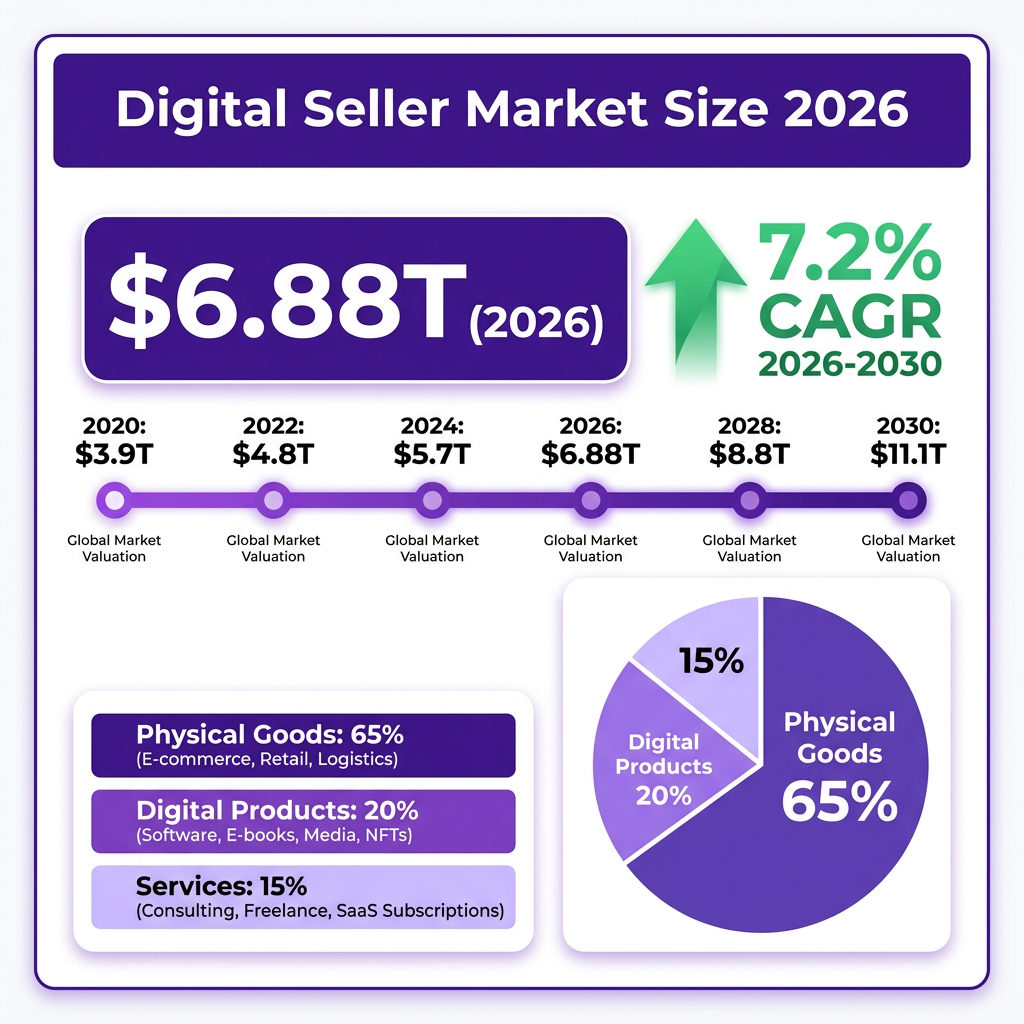
The digital selling revolution has reached unprecedented scale. In 2026, global e-commerce sales are projected to hit $6.88 trillion, representing a 7.2% year-over-year increase from 2025’s $6.42 trillion figure. With over 2.86 billion digital buyers expected to make purchases online this year, the digital seller ecosystem has become the dominant force in global retail, accounting for more than 20% of total global retail sales. For entrepreneurs, established businesses, and independent creators, understanding the digital seller landscape isn’t optional—it’s essential for survival and growth in the modern economy.
But this isn’t just about big numbers. The digital selling landscape is undergoing fundamental transformation. AI-powered selling tools are reshaping how merchants interact with customers. Social commerce is exploding, with platforms like TikTok and Instagram becoming primary sales channels. Cross-border e-commerce is breaking down geographical barriers, while new regulations are changing how sellers operate across borders. Whether you’re selling physical products, digital downloads, or subscription services, the rules of engagement have changed—and they’re continuing to evolve at breakneck speed.

Market Overview: The $6.88 Trillion Digital Seller Ecosystem
The digital seller market in 2026 represents one of the most significant economic shifts in modern history. What began as a niche channel for tech-savvy early adopters has evolved into the primary retail infrastructure for the global economy. Understanding this market requires examining its scale, growth trajectory, and the forces driving its expansion.
The Scale of Global E-Commerce
The numbers tell a compelling story. Global e-commerce revenue is projected to reach $3.88 trillion in 2026 according to Statista’s market forecast, with the broader e-commerce ecosystem—including all digital transactions—reaching the $6.88 trillion mark. This represents a fundamental shift in how commerce operates, with digital channels now accounting for over one-fifth of all retail sales worldwide.
The United States leads in absolute market volume, with projected e-commerce revenue of $1.22 trillion in 2026. However, the growth story is truly global. Asia-Pacific markets continue to expand rapidly, with China maintaining its position as the world’s largest e-commerce market by volume. Europe represents a mature but growing market, while emerging economies in Africa, Latin America, and Southeast Asia are experiencing explosive digital adoption rates that are creating entirely new seller opportunities.
The user base is equally impressive. By 2026, over 2.86 billion people are expected to shop online globally—representing more than 33% of the world’s population. User penetration is projected at 54.3% in 2026, climbing to 58.1% by 2030. This means that more than half of all internet users are now active digital buyers, and that number continues to grow as internet access expands into previously underserved regions.
Growth Trajectory and Projections
The digital seller market shows no signs of slowing. The compound annual growth rate (CAGR) for e-commerce is projected at 6.84% through 2030, which would push the market volume to $5.05 trillion by the end of the decade. This sustained growth is driven by several factors: increasing internet penetration in developing markets, the continued shift of traditional retail online, and the emergence of new product categories and sales channels.
Looking further ahead, U.S. e-commerce sales alone are expected to reach $1.8 trillion by 2030, representing 29% of all retail sales in the country according to Forrester research. While this suggests that over 70% of retail will still occur in physical stores, the growth trajectory clearly favors digital channels. For sellers, this means that establishing a robust digital presence is no longer a growth strategy—it’s a defensive necessity.
The average revenue per user (ARPU) in e-commerce is expected to reach $1,100 in 2026, indicating that not only are more people shopping online, but they’re also spending more per transaction. This metric is particularly important for sellers evaluating market opportunity and pricing strategies. Higher ARPU suggests that consumers are becoming more comfortable with larger online purchases, opening opportunities for premium products and higher-value transactions.
Market Segmentation
The digital seller market isn’t monolithic. It comprises several distinct segments, each with its own dynamics and opportunities. Physical goods still dominate, representing approximately 65% of total e-commerce volume. However, digital products—including software, courses, templates, and media—represent a rapidly growing segment valued at $9.8 billion in 2026 and projected to reach $18.3 billion by 2033. Services sold online, from consulting to creative work, comprise the remaining market share.
Marketplaces have become the dominant sales channel, accounting for 67% of global e-commerce. Amazon, eBay, Alibaba, and emerging platforms like TikTok Shop and Instagram Shopping are where most digital selling occurs. However, direct-to-consumer (DTC) sales through owned websites and stores are growing rapidly as sellers seek to reduce platform dependency and build direct customer relationships. The software market alone generated over $742 billion in revenue in 2025, a 5.5% increase from 2024, demonstrating the scale of digital product opportunities.
Key Statistics and Data Points
Data-driven decision making is essential for digital sellers. Here are the key statistics shaping the market in 2026, organized by category for easy reference and strategic planning.
Market Size and Revenue Statistics
- Global e-commerce sales: $6.88 trillion projected for 2026 (7.2% YoY growth)
- E-commerce market revenue: $3.88 trillion in 2026 (Statista)
- U.S. e-commerce revenue: $1.22 trillion (largest single market)
- Digital products market: $9.8 billion in 2026, growing to $18.3 billion by 2033
- Software market revenue: $742 billion in 2025 (5.5% increase from 2024)
- Mobile app market: $330.6 billion in 2025, CAGR of 14.3% through 2030
- Video streaming market: $119 billion in 2025
- eLearning sector: $320.96 billion in 2025
- Creator economy value: $234.65 billion projected for 2026
- Digital media spending: $560 billion globally in 2024 (12.5% YoY increase)
User and Consumer Statistics
- Global online shoppers: 2.86 billion in 2026 (33% of world population)
- Projected online shoppers by end of 2026: 3 billion
- E-commerce user penetration: 54.3% in 2026, rising to 58.1% by 2030
- Expected e-commerce users by 2030: 4.1 billion
- Average revenue per user (ARPU): $1,100 in 2026
- Mobile commerce share: Nearly 60% of all e-commerce sales
- Cross-border marketplace shoppers: 27% of U.S. consumers
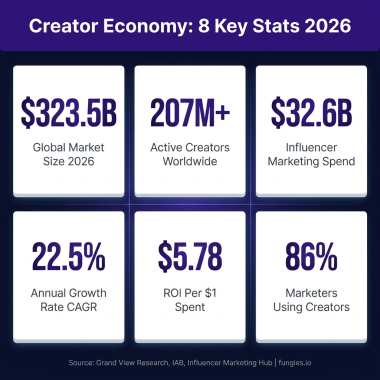
- Content creators globally: Over 207 million
Growth and Performance Metrics
- E-commerce CAGR (2026-2030): 6.84%
- Social commerce growth rate: 30% per year
- B2B e-commerce growth: 14.5% CAGR through 2026
- Marketplace share of e-commerce: 67%
- Global retail sales via e-commerce: 20%+
- U.S. retail sales via e-commerce by 2030: 29%
- Social commerce market value by 2026: €2.9 trillion
- Social commerce ROI: 300-500% within 12 months when executed well
Platform and Channel Statistics
- Product discovery via Instagram: 83% of consumers
- Consumers purchasing digital products in 2020: 2 billion
- Digital product CAGR through 2030: 6.2%
- Marketplace startups with funding: Over 1,085 tracked companies
- Digital adoption platform funding (2025): $15 million across 1 round
These statistics paint a clear picture: the digital seller market is massive, growing, and increasingly sophisticated. For sellers, the opportunity is clear, but so is the competition. Success requires understanding not just the market size, but the trends shaping how selling actually works in 2026.
Major Trends Shaping Indie Development in 2026
The indie developer landscape is being reshaped by seven powerful trends that are redefining how games are created, distributed, and monetized. Understanding these trends is essential for anyone looking to succeed in this competitive market.
1. AI-Powered Development Tools
Artificial intelligence has transitioned from experimental technology to essential toolkit for indie developers. AI tools now handle coding assistance, asset generation, animation, NPC behavior, and even narrative design. Platforms like Inworld AI, Scenario, and GitHub Copilot have become standard tools in the indie developer’s arsenal.
The impact is quantifiable: tasks that used to take months can now be completed in hours. SEELE’s AI asset pipeline reduces 3D model creation from 8+ hours to under 60 seconds. PrintPal generates custom 3D models from text or image prompts. This democratization of asset creation means solo developers can now produce content quality that previously required dedicated art teams.
However, AI tools augment rather than replace human creativity. Developers still architect systems, design gameplay loops, and craft narratives. AI handles the repetitive, time-consuming tasks, freeing creators to focus on what matters: making great games.
2. The Solo Founder Boom
The rise of the solo founder represents one of the most significant shifts in software entrepreneurship. In 2026, a single developer can build a million-dollar SaaS or game studio. This shift isn’t just about new tools—it’s a fundamental rewrite of the rules of software entrepreneurship.
Case studies abound: Maor Shlomo sold his six-month-old AI startup, Base44, to Wix for $80 million in cash. TypingMind reached millions in B2B revenue with a team of one. A solopreneur building with AI tools can hit $100K MRR faster than a 20-person startup could five years ago.
The conventional wisdom dictated that building software required teams: one person for frontend, another for backend, a database administrator, plus marketing and sales. AI has collapsed these requirements. A new breed of “Solo AI Founders” is emerging—developers who leverage advanced AI orchestration tools to build, deploy, and scale businesses from a single laptop.
3. The Steam Discovery Crisis
With over 19,000 games released on Steam in 2025, discovery has become the single greatest challenge facing indie developers. Steam’s algorithm remains largely opaque, and the platform won’t promote stagnant games. Developers need sophisticated marketing strategies to gain attention and plans to sustain momentum post-launch.
The statistics are sobering: only slightly more than 20% of games released in 2025 garnered enough player activity for Valve to enable community features like trading cards and badges. Steam’s algorithm effectively filters out games with fewer than 50 reviews, making the initial traction phase critical for long-term visibility.
Success on Steam still largely hinges on wishlists to build community and drive visibility in Steam’s recommendations. Demo apps, now on their own pages with player reviews, offer more impact on game launches than ever before. Smart developers treat demo releases with the same QA and marketing support as full game launches.
4. Micro-SaaS and Live Service Games
The business models available to indie developers have expanded dramatically. While traditional premium sales remain viable, many developers are exploring recurring revenue models. Micro-SaaS products targeting specific niche markets—like Tweet Hunter and SiteGPT—demonstrate that small, focused products can generate substantial recurring revenue.
In the gaming space, live service models with ongoing content updates, battle passes, and cosmetic microtransactions offer sustainable revenue streams. However, this approach requires ongoing development commitment and community management that not all indie teams can sustain.
The diversified revenue mix has become the best strategy for many indie creators. Combining premium sales, DLC, merchandise, Patreon support, and streaming revenue creates resilience against market fluctuations and platform changes.
5. Cross-Platform Development Focus
Modern game engines have made cross-platform development more accessible than ever. Unity and Unreal Engine offer seamless deployment across PC, console, and mobile. Godot’s open-source approach provides a free alternative with growing platform support. This capability allows indie developers to maximize their addressable market without maintaining multiple codebases.
The game engine market itself is growing rapidly—projected to reach $10.34 billion by 2034. This growth reflects both the expanding game industry and the increasing adoption of game engine technology in non-gaming applications like architectural visualization, film production, and simulation training.
For indie developers, the key trend is engine consolidation. Rather than building custom engines, developers leverage mature platforms with extensive asset stores, community support, and proven deployment pipelines. This focus on content creation over technology infrastructure accelerates development timelines and reduces technical risk.
6. Community-First Marketing
Traditional marketing channels have become increasingly expensive and less effective for indie developers. TikTok’s organic reach collapsed in 2025-2026, flattening the pre-launch audience pipeline that many indies relied upon. iOS ATT (App Tracking Transparency) attribution loss has made paid user acquisition more challenging and expensive.
The response has been a shift toward community-first marketing. Successful indie developers build audiences through Discord servers, Reddit communities, and direct email lists before launch. This owned audience provides guaranteed day-one sales that trigger Steam’s algorithmic promotion, creating a virtuous cycle of visibility.
Building in public—sharing development progress, challenges, and victories—has become a standard practice. Developers like Pieter Levels have demonstrated that transparent sharing attracts both customers and supporters. The community becomes invested in the game’s success, providing feedback, bug reports, and word-of-mouth marketing.
7. Vibe Coding and AI-Assisted Development
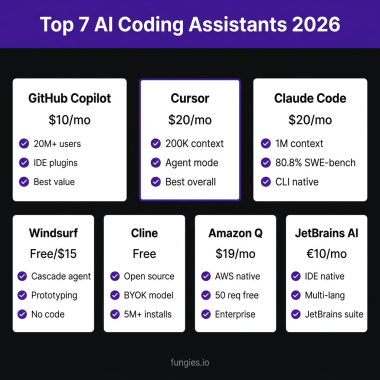
“Vibe coding”—building apps without traditional coding using AI assistance—has emerged as a significant trend in 2026. Tools like Cursor, Claude Code, and GitHub Copilot enable developers to describe functionality in natural language and receive working code. This approach dramatically lowers the barrier to entry for non-programmers while accelerating development for experienced coders.
The implications for indie development are profound. A solo founder can now handle frontend, backend, database, and DevOps tasks that previously required specialized expertise. The technical side of building products is increasingly solvable with AI tools, though distribution still requires either an existing audience, organic account history, or marketing budget.
This trend extends beyond coding to asset creation, level design, and even marketing copy. AI tools compress the time and skill gap usually needed to build functional products, enabling more people to bring their creative visions to market.

Key Players and Competitive Landscape
The indie developer ecosystem comprises a diverse array of platforms, publishers, tool providers, and successful studios. Understanding this landscape is crucial for navigating the market effectively.
Distribution Platforms
Steam remains the dominant force in PC indie gaming, commanding 75% market share with 147 million monthly active users. The platform generated $17.7 billion in revenue in 2025, with indie games capturing approximately $4.4 billion of that total. Steam’s commission structure ranges from 20/80 to 30/70, with more favorable rates for games generating over $50 million in revenue.
Epic Games Store continues to compete aggressively, offering developers an 88/12 revenue split compared to Steam’s standard 70/30. While Epic’s user base remains smaller than Steam’s, their free game giveaways and exclusive deals attract significant attention.
itch.io serves as the premier platform for experimental and artistic indie games, offering developers maximum flexibility in pricing and distribution. While revenue numbers are smaller, itch.io provides crucial visibility for unconventional projects that might struggle on mainstream platforms.
Console platforms (Nintendo Switch, PlayStation, Xbox) offer access to dedicated gaming audiences but require certification processes and development kits that create barriers for smaller teams. However, the Switch in particular has proven fertile ground for indie hits, with games like Stardew Valley and Hollow Knight finding massive audiences.
Game Engines
Unity remains the most widely used engine among indie developers, offering a balance of power, flexibility, and ease of use. The Unity Asset Store provides thousands of pre-built assets that accelerate development. However, controversial pricing changes in 2023-2024 drove some developers to explore alternatives.
Unreal Engine, Epic’s powerhouse engine, has become increasingly accessible to indies through its royalty model (free until $1 million in revenue). Unreal’s visual fidelity and built-in tools make it attractive for developers targeting high-end visuals.
Godot has emerged as the leading open-source alternative, gaining significant traction after Unity’s pricing controversies. Godot’s lightweight footprint, growing feature set, and completely free licensing make it increasingly popular among budget-conscious developers.
SEELE represents the new wave of AI-native game development platforms. Unlike traditional engines, SEELE generates 3D assets, game code, and animations from text prompts. This AI-first approach reduces prototype time from weeks to minutes, though the platform is currently focused on browser-based games.
Publishers
Devolver Digital has built a reputation as the premier publisher for quirky, innovative indie games. Their portfolio includes hits like Hotline Miami, Fall Guys (before Epic acquisition), and Cult of the Lamb. Devolver’s marketing expertise and brand recognition provide significant value to partnered developers.
Raw Fury, founded in 2015, focuses on “games that make us feel things.” Their catalog includes critically acclaimed titles like Sable, Call of the Sea, Norco, and Kingdom. Raw Fury emphasizes developer-friendly terms and long-term partnerships over short-term profits.
Annapurna Interactive has carved out a unique niche publishing artistic, narrative-driven experiences. Their games—including Outer Wilds, Stray, and What Remains of Edith Finch—consistently receive critical acclaim and demonstrate that indie games can achieve both artistic and commercial success.
Team17, with decades of industry experience, has successfully transitioned to indie publishing. Their Worms franchise provides stable revenue that funds riskier indie projects. Recent successes include Overcooked, Moving Out, and Hokko Life.
Success Stories
Stardew Valley, created by solo developer Eric Barone, has sold over 20 million copies and generated hundreds of millions in revenue. The game’s success demonstrates that a single developer, working part-time over several years, can create a product that competes with AAA studios.
Hollow Knight, developed by Team Cherry (three developers), has sold over 5 million copies. The game’s hand-drawn art style, tight gameplay, and atmospheric world-building created a devoted fanbase eagerly awaiting the sequel, Silksong.
Valheim, from Iron Gate AB (five developers), sold over 12 million copies in its first year. The Viking survival game captured the zeitgeist during the pandemic, demonstrating the potential for small teams to create massive multiplayer experiences.
Vampire Survivors, created by Luca Galante (poncle), cost approximately $1,500 to develop and has generated tens of millions in revenue. The game’s simple mechanics and addictive gameplay loop prove that innovation matters more than budget.

Challenges and Pain Points
Despite the opportunities, indie developers face significant challenges that can make or break their projects. Understanding these pain points is essential for navigating the market successfully.
1. Discovery and Visibility
The most significant challenge facing indie developers in 2026 is discovery. With over 19,000 games released on Steam in 2025, standing out requires more than just a great game—it demands sophisticated marketing, community building, and often, luck.
Steam’s algorithm effectively filters games based on early performance. Games that don’t generate sufficient wishlists, reviews, and sales in their first weeks become effectively invisible. This creates a catch-22: you need visibility to get sales, but you need sales to get visibility.
The collapse of organic reach on platforms like TikTok has eliminated a crucial pre-launch marketing channel that many indies relied upon. iOS ATT changes have made paid user acquisition more expensive and less effective. Developers must now build direct relationships with their audiences through Discord, email lists, and Reddit communities—efforts that require months or years of consistent engagement.
2. Revenue Concentration
The indie game market exhibits extreme revenue concentration. Fewer than 0.5% of indie games account for 80% of total market revenue. The top 1% of releases generate the vast majority of income, while the median indie game earns little or nothing.
This reality creates significant financial risk for developers. Most indie games fail to recoup development costs, let alone generate profit. Developers often work for years on projects that ultimately earn less than minimum wage when calculated hourly.
The statistics are stark: of 19,112 games released on Steam in 2025, 9,327 have fewer than 10 reviews. Many of these games likely sold fewer than 1,000 copies total. For developers who invested significant time and resources, these results can be devastating.
3. Platform Dependencies
Indie developers are increasingly dependent on platforms they don’t control. Steam algorithm changes can destroy visibility overnight. YouTube policy updates can demonetize development vlogs. Twitter/X platform changes can disrupt community building efforts.
This dependency creates strategic vulnerability. A developer who builds their entire marketing strategy around TikTok organic reach found themselves scrambling when that channel collapsed. Similarly, developers who rely entirely on Steam for distribution face significant risk if Valve changes its policies or algorithms.
The solution—diversifying across multiple platforms—requires resources and expertise that many small teams lack. Managing communities across Discord, Reddit, Twitter, TikTok, and email lists is a full-time job in itself.
4. Development Costs and Sustainability
While tools have become more accessible, the baseline expectations for indie games have risen. Players expect polished experiences with professional art, sound design, and UX. Meeting these expectations requires either significant skill across multiple disciplines or budget for contractors.
AI tools help reduce some costs, but they introduce new complexities. AI-generated assets may require significant editing to fit a game’s aesthetic. AI-assisted code may need refactoring for performance and maintainability. The time savings are real but not as dramatic as some headlines suggest.
For developers working full-time on their projects, the burn rate can be substantial. Even a solo developer needs income for housing, food, healthcare, and software subscriptions. A two-year development cycle might require $50,000-$100,000 in personal savings or external funding.
Opportunities and Growth Strategies
Despite the challenges, significant opportunities exist for indie developers who approach the market strategically. Here are the key growth strategies that successful developers are employing in 2026.
1. Niche Market Dominance
Rather than competing in crowded genres, successful indies increasingly target specific niches. Vampire Survivors didn’t try to compete with AAA action games—it created a new subgenre that resonated with a specific audience. Similarly, Stardew Valley targeted players who wanted a deeper, more relaxing farming experience than mainstream games offered.
The strategy is clear: find an underserved audience and serve them exceptionally well. This might mean creating games for specific demographics (older players, parents with limited time, non-English speakers), specific genres (factory automation, cozy games, hardcore roguelikes), or specific platforms (handheld PC, retro consoles).
Niche markets offer several advantages: less competition, more engaged communities, and higher willingness to pay for quality experiences that address specific needs. A game that perfectly serves 10,000 dedicated players can be more profitable than one that poorly serves 100,000 casual players.
2. Community-First Development
Building a community before launch has become a non-negotiable strategy for indie success. Developers who build in public—sharing progress on social media, engaging with potential players on Discord, and soliciting feedback throughout development—create invested audiences who become advocates at launch.
The math is compelling: a developer with 10,000 email subscribers can expect 1,000-2,000 day-one sales. These sales trigger Steam’s algorithmic promotion, leading to organic visibility that can sustain momentum for weeks or months. Without this initial community, even excellent games can launch to crickets.
Community building requires authenticity and consistency. Players can smell marketing speak from miles away. Developers who share genuine struggles, celebrate real victories, and engage honestly with feedback build trust that translates into sales and long-term loyalty.
3. AI-Enhanced Development Workflows
AI tools offer indie developers capabilities that were previously available only to larger studios. The key is integrating these tools into workflows effectively rather than expecting them to replace human creativity entirely.
Successful AI integration looks like: using GitHub Copilot for boilerplate code generation; employing Midjourney or DALL-E for concept art and marketing materials; leveraging AI voice synthesis for placeholder dialogue; utilizing AI-assisted animation tools for rapid prototyping; and applying machine learning for playtesting and balance tuning.
The developers who thrive in 2026 will be those who treat AI as a force multiplier rather than a replacement. They’ll use AI to handle repetitive tasks while focusing their own energy on creative direction, game design, and community engagement—the areas where human judgment remains irreplaceable.
4. Multi-Platform and Multi-Revenue Strategies
Relying on a single platform or revenue stream creates vulnerability. Successful indies diversify across platforms (Steam, console, mobile) and revenue sources (game sales, DLC, merchandise, Patreon, streaming revenue).
The porting process has become more streamlined thanks to modern engines. A Unity or Unreal game can often be ported to console with minimal code changes. While certification processes add time and cost, the expanded addressable market typically justifies the investment for successful games.
Similarly, diversifying revenue streams creates stability. Merchandise sales through platforms like Fangamer or Fourthwall can generate significant income for games with strong visual identities. Patreon or Kickstarter can provide funding during development. Streaming and content creation can build audience while generating direct revenue.
Case Studies and Success Stories
Examining specific success stories reveals patterns and strategies that aspiring developers can learn from. Here are three case studies that illustrate different paths to indie success in 2026.
Case Study 1: Vampire Survivors
The Game: A minimalist survival game where players automatically attack while navigating hordes of enemies.
The Developer: Luca Galante (poncle), working solo with approximately $1,500 in development costs.
The Success: Vampire Survivors has generated tens of millions in revenue and sold millions of copies across PC, mobile, and console platforms.
Key Lessons: Innovation trumps budget. The game’s simple mechanics—auto-attacking while focusing on movement and upgrades—created an addictive gameplay loop that resonated with players. The minimal art style reduced production costs while the core gameplay provided endless replayability. The game also benefited from streamer and content creator coverage, demonstrating the power of organic marketing.
Case Study 2: Stardew Valley
The Game: A farming simulation RPG with deep crafting, relationship, and exploration systems.
The Developer: Eric Barone (ConcernedApe), working solo for over four years while working part-time jobs.
The Success: Over 20 million copies sold across all platforms, generating hundreds of millions in revenue and spawning a multimedia franchise.
Key Lessons: Depth and polish matter. Barone spent years refining every aspect of the game, from farming mechanics to character relationships. The game targeted a specific underserved niche—players who wanted a deeper, more relaxing farming experience than mainstream games offered. Post-launch support has been exceptional, with free content updates years after release building lasting goodwill with the community.
Case Study 3: Valheim
The Game: A Viking-themed survival and sandbox game supporting up to 10 players in co-op multiplayer.
The Developer: Iron Gate AB, a small team of five developers based in Sweden.
The Success: Over 12 million copies sold in the first year, becoming one of Steam’s best-selling games of 2021 and maintaining strong sales years later.
Key Lessons: Timing and positioning are crucial. Valheim launched during the COVID-19 pandemic when players were seeking social gaming experiences. The low-poly art style reduced production costs while the procedural world and deep crafting systems provided hundreds of hours of gameplay. The game’s success demonstrates that small teams can create compelling multiplayer experiences that compete with AAA offerings.
Future Outlook and Predictions
The indie developer market will continue evolving rapidly through 2030 and beyond. Here are the key predictions for where the industry is heading:
Market Growth Projections
The indie game market is projected to reach $10.83 billion by 2031, representing a compound annual growth rate of 14.32%. More optimistic projections suggest the indie game publishing market could expand to $25.4 billion by 2031. These growth rates significantly outpace the broader gaming industry, indicating that indie games will capture an increasing share of total gaming revenue.
Several factors drive this growth: the continued democratization of game development tools; the expansion of gaming audiences globally, particularly in Asia and emerging markets; the maturation of digital distribution platforms; and shifting consumer preferences toward unique, innovative experiences over formulaic AAA productions.
AI Integration Acceleration
By 2030, AI tools will be deeply integrated into every aspect of game development. We can expect: AI-generated assets that require minimal human editing; AI-assisted coding that handles routine implementation while developers focus on architecture; AI-driven playtesting that identifies balance issues and bugs automatically; and AI-powered marketing tools that optimize campaigns in real-time.
The solo developer of 2030 will have capabilities equivalent to a small studio of today. A single person will be able to create games with production values that currently require teams of 10-20 people. This capability expansion will further lower barriers to entry and increase competition.
Platform Evolution
Steam will likely remain the dominant PC platform, but competition will intensify. Epic Games Store continues investing in exclusive deals and free game giveaways. New platforms may emerge, particularly focused on specific niches or regions. Cloud gaming services like Xbox Cloud Gaming and NVIDIA GeForce Now could become significant distribution channels for indies.
The discovery problem will likely worsen before it improves. With AI-assisted development lowering barriers to entry, we could see 30,000+ games released on Steam annually by 2030. Platforms will need to invest heavily in recommendation algorithms and curation tools to help quality games find their audiences.
Business Model Innovation
The traditional premium sales model will coexist with emerging alternatives. Subscription services like Xbox Game Pass and PlayStation Plus will become increasingly important distribution channels. Blockchain and NFT integration may create new monetization opportunities, though regulatory and consumer acceptance challenges remain. Live service models with ongoing content updates will become standard for successful multiplayer games.
We may also see the emergence of new funding models. Platforms like Patreon and Kickstarter will continue enabling direct fan funding. Revenue sharing and profit participation models may become more common as publishers compete for top indie talent. The average publishing advance, currently around $602,818, will likely increase as competition for proven developers intensifies.
Key Takeaways
- The indie developer market has grown to $5.54 billion in 2026, commanding 25% of Steam’s total revenue with a projected CAGR of 14.32% through 2031.
- AI-powered development tools are democratizing game creation, enabling solo developers to produce content that previously required entire teams.
- The Steam discovery crisis represents the single greatest challenge facing indie developers, with over 19,000 games released in 2025 and fewer than 0.5% capturing 80% of revenue.
- Community-first marketing has become essential—developers must build audiences before launch to trigger algorithmic promotion and sustain visibility.
- The rise of solo founders represents a fundamental shift in software entrepreneurship, with over one-third of new startups in 2026 founded by single individuals.
- Niche market dominance offers a viable path to success—serving specific underserved audiences often proves more profitable than competing in crowded mainstream genres.
- Cross-platform development and diversified revenue streams create resilience against platform dependency and market fluctuations.
- The future belongs to developers who treat AI as a force multiplier, using it to handle repetitive tasks while focusing human creativity on design and community engagement.
Sources and Citations
- Mordor Intelligence – Indie Game Market Size & Share Analysis (2026-2031): https://www.mordorintelligence.com/industry-reports/indie-game-market
- Icon Era – Steam Statistics 2026: https://icon-era.com/statistics/steam/
- 80 Level – Indie Games Break Records: https://80.lv/articles/indie-games-break-records-what-to-expect-next
- KitGuru – Steam Data Shows Over 19,000 Games Released in 2025: https://www.kitguru.net/gaming/joao-silva/steam-data-shows-over-19000-games-released-in-2025/
- PC Gamer – More Than 19,000 Games Launched on Steam: https://www.pcgamer.com/gaming-industry/more-than-19-000-games-launched-on-steam-this-year-but-almost-half-have-fewer-than-10-reviews/
- Fortune Business Insights – Game Engine Market Size: https://www.fortunebusinessinsights.com/game-engine-market-111802
- Skillviax – The Rise of Solo Founders in 2026: https://skillviax.com/the-rise-of-solo-founders-in-2026-how-one-person-can-build-a-million-dollar-business/
- We Are Founders – 30 Solo Startups Generating Up to $10M Per Employee: https://www.wearefounders.uk/the-30-highest-valued-solo-startups-of-2026/
- Metricus – Indie Game Distribution & User Acquisition Painpoints 2026: https://metricusapp.com/blog/indie-game-distribution-user-acquisition-painpoints-2025-2026/
- Midwest Games – Biggest Challenges in the Current Steam Landscape: https://www.midwestgames.com/news/challenges-2026-steam
- Seele AI – AI Asset Generators Comparison 2026: https://www.seeles.ai/resources/blogs/ai-asset-generator-comparison-2026
- PrintPal – Top 5 Game Development Tools for 2026: https://blog.printpal.io/top-5-game-development-tools-for-2026-essential-ai-powered-workflow/
- Game World Observer – Indie Projects Generated a Quarter of Steam Revenue: https://gameworldobserver.com/2025/12/22/indie-projects-generated-a-quarter-of-the-total-game-revenue-on-steam-by-the-end-of-2025-analytics
- AInvest – The 2025 Indie Gaming Boom: https://www.ainvest.com/news/2025-indie-gaming-boom-long-term-investment-potential-2512/