Every indie game developer faces the same challenge: you’ve built an amazing game, but how do you get it in front of players? While Steam and mobile app stores are obvious choices, having your own game website gives you control over your brand, direct relationships with players, and higher profit margins. In this guide, we’ll walk you through exactly how to create a game website that drives sales and builds your community.
Why Every Game Developer Needs Their Own Website
Before diving into the how, let’s talk about the why. Relying solely on platforms like Steam means giving up 30% of your revenue and competing in a crowded marketplace. Your own game website offers several advantages:
- Higher profit margins: Keep 90%+ of revenue instead of 70%
- Direct player relationships: Build an email list you own
- Brand control: Design your experience without platform restrictions
- Marketing flexibility: Run promotions, bundles, and sales on your terms
- Cross-platform presence: Sell direct while still being on Steam
According to recent industry data, developers who sell direct alongside Steam see 15-25% higher lifetime revenue per player. The key is making your website experience seamless and trustworthy.
Step 1: Choose the Right Platform for Your Game Website
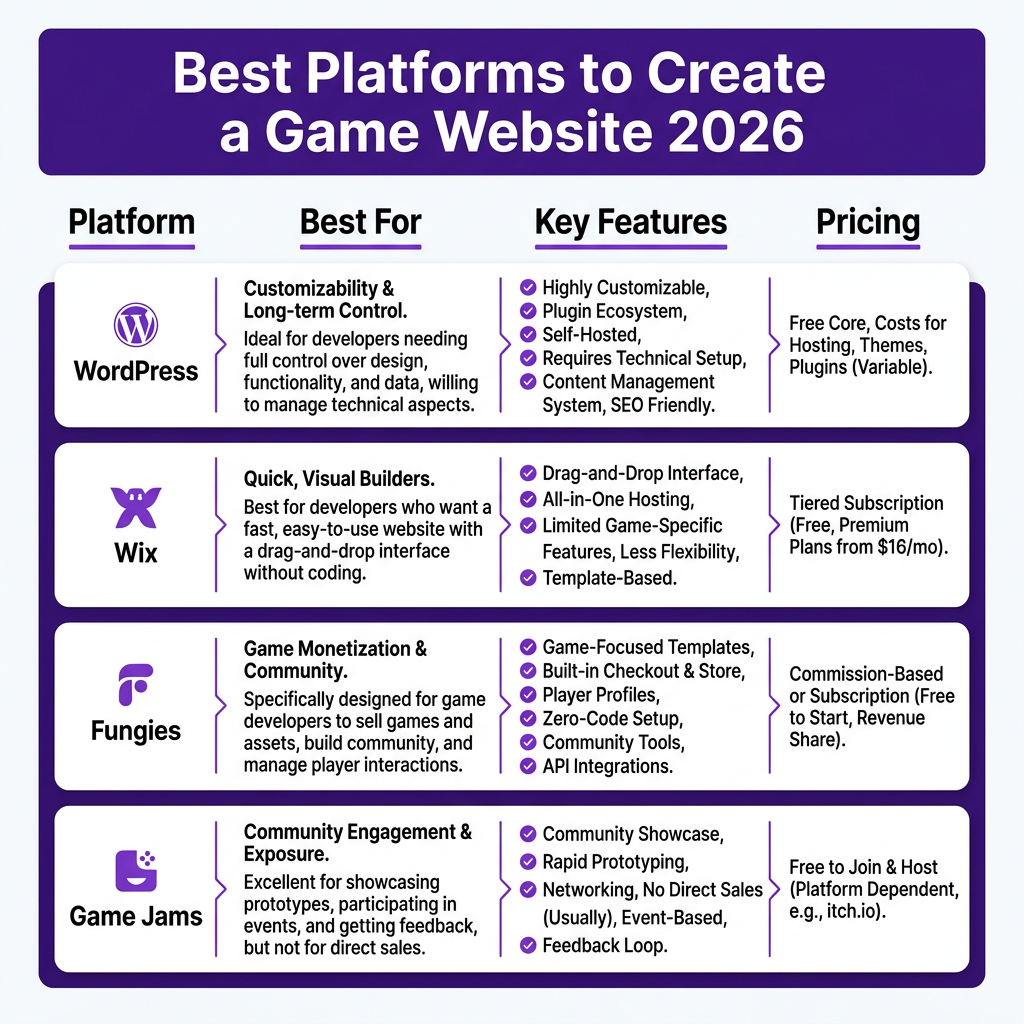
The platform you choose determines how much control you have versus how much work you need to do. Here are the main options:
WordPress + WooCommerce
Best for developers who want maximum customization. You’ll need to handle hosting, security, payment processing, and tax compliance yourself. Great for established studios with technical resources.
Wix or Squarespace
Good for simple portfolio sites, but limited when it comes to selling games. You’ll need third-party integrations for digital downloads and payment processing, which adds complexity.
Fungies.io (Game-Focused)
Built specifically for game developers. Includes game pages, media galleries, built-in checkout, automatic tax handling, and global payment methods. No coding required — focus on your game while the platform handles the commerce.
Itch.io or Game Jolt
Community-focused platforms great for indie exposure, but you’re still on someone else’s platform with limited branding control and revenue share.
Step 2: Design Your Game Website Layout
A high-converting game website follows a proven structure:
- Hero section: Your best screenshot or trailer with a clear headline and CTA
- Social proof: Reviews, press quotes, or player testimonials
- Media gallery: Screenshots, GIFs, and video that show gameplay
- Features list: What makes your game unique (bullet points work best)
- Pricing/buy section: Clear pricing with multiple options if applicable
- FAQ: Address common objections and questions
Keep your design clean and mobile-responsive. Over 60% of game discovery happens on mobile devices, even if players buy on desktop later.
Step 3: Add Compelling Game Media
Your media sells the game. Follow these best practices:
- Trailer first: A 60-90 second trailer should be prominently featured
- Quality screenshots: 6-10 high-resolution images showing different aspects
- GIFs for gameplay: Short animated clips demonstrate mechanics better than static images
- Key art: Your main promotional image should be striking and readable at small sizes
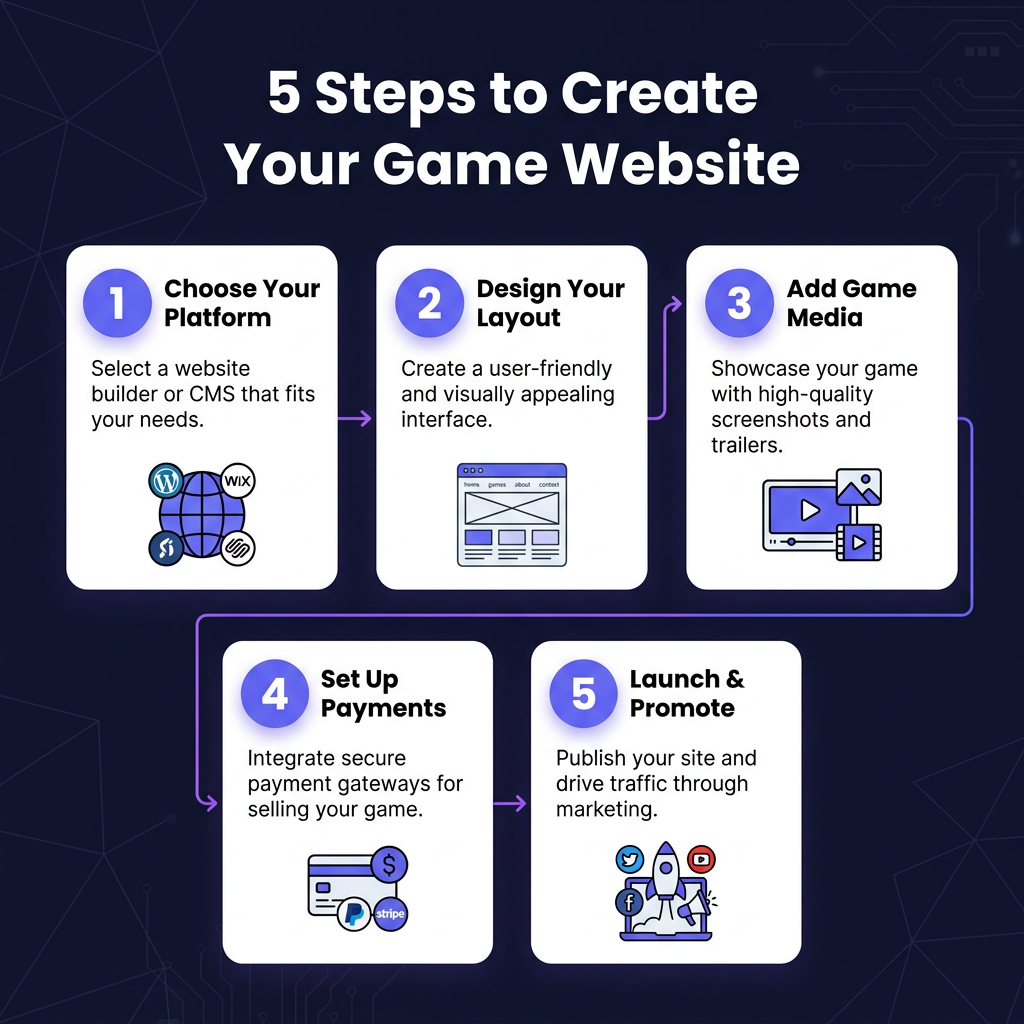
Step 4: Set Up Payments and Distribution
This is where many developers get stuck. Selling games directly means handling:
- Payment processing: Credit cards, PayPal, and regional methods
- Tax compliance: VAT, sales tax, and international obligations
- Secure delivery: Download links, keys, or DRM
- Refunds and support: Customer service infrastructure
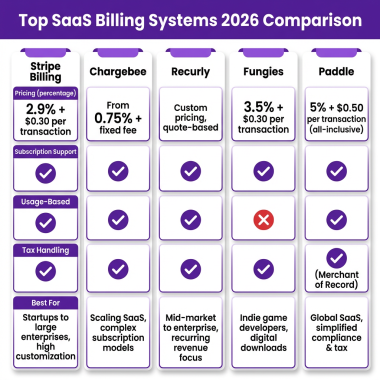
Using a Merchant of Record like Fungies handles all of this automatically. You upload your game, set your price, and the platform manages global tax compliance, payment processing, and secure delivery. This lets you focus on development instead of business administration.
Step 5: Launch and Promote Your Game Website
Once your site is live, promotion is key:
- Email your list: If you have a newsletter, announce your direct sales
- Social media: Share behind-the-scenes content and development updates
- Reddit communities: r/gamedev, r/indiegaming, and genre-specific subreddits
- Discord: Build a community server for direct player engagement
- Press outreach: Contact gaming journalists and YouTubers
- Bundle opportunities: Partner with other indie developers
Track your analytics to understand where traffic comes from and optimize accordingly. Most successful indie games see 30-40% of revenue from direct sales when the website is properly optimized.
Ready to Launch Your Game Website?
Fungies.io gives you a complete game website with built-in payments, tax compliance, and global distribution — no coding required.
Free to start, no credit card required
Frequently Asked Questions
Do I need coding skills to create a game website?
No. Platforms like Fungies.io provide no-code solutions specifically designed for game developers. You can have a professional game website live in under an hour without writing any code.
Can I sell on my own website AND Steam?
Absolutely. Many successful developers use both channels. Steam provides discovery and community features, while your website gives you higher margins and direct player relationships. Just ensure your pricing is consistent across platforms.
How much does it cost to create a game website?
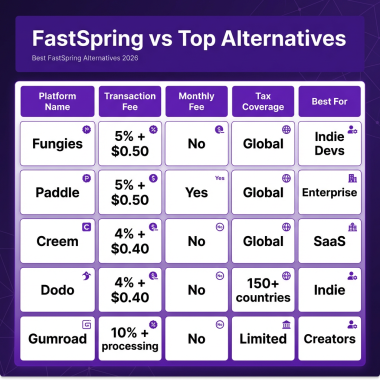
Costs vary by platform. WordPress hosting starts around $10/month plus payment processing fees. All-in-one platforms like Fungies charge a percentage of sales (typically 5-10%) with no monthly fees, making them ideal for indies starting out.
Do I need to handle taxes for direct sales?
Yes — unless you use a Merchant of Record. Selling directly means you’re responsible for VAT, sales tax, and other international obligations. A MoR platform handles tax calculation, collection, and remittance automatically.
What’s the best platform for a first-time game developer?
For developers who want to sell direct without technical complexity, a game-focused platform like Fungies is ideal. It combines the ease of use of website builders with the game-specific features you need for selling digital products.
Conclusion: Start Building Your Game Website Today
Creating a game website doesn’t have to be complicated. By choosing the right platform, following a proven layout structure, and focusing on compelling media, you can have a professional site that converts visitors into players. The key is starting simple and iterating based on player feedback and analytics.
Remember: your game website is an asset that grows with your studio. Start with a basic setup, and expand features as your player base grows. The most important step is taking action and getting your site live.