Selling your indie game on Steam is the dream for many developers. With over 132 million monthly active users and a library of more than 70,000 games, Steam remains the dominant PC gaming marketplace in 2026. But getting your game from “finished” to “published” involves more than just uploading files — it requires understanding Steam’s revenue share, the $100 Steam Direct fee, tax compliance, and marketing strategies that actually work.
In this complete guide, we’ll walk you through exactly how to sell a game on Steam in 2026, from initial setup to post-launch optimization. Whether you’re a solo developer or part of a small studio, this guide covers everything you need to know.
Steam Revenue Share: What You Actually Keep
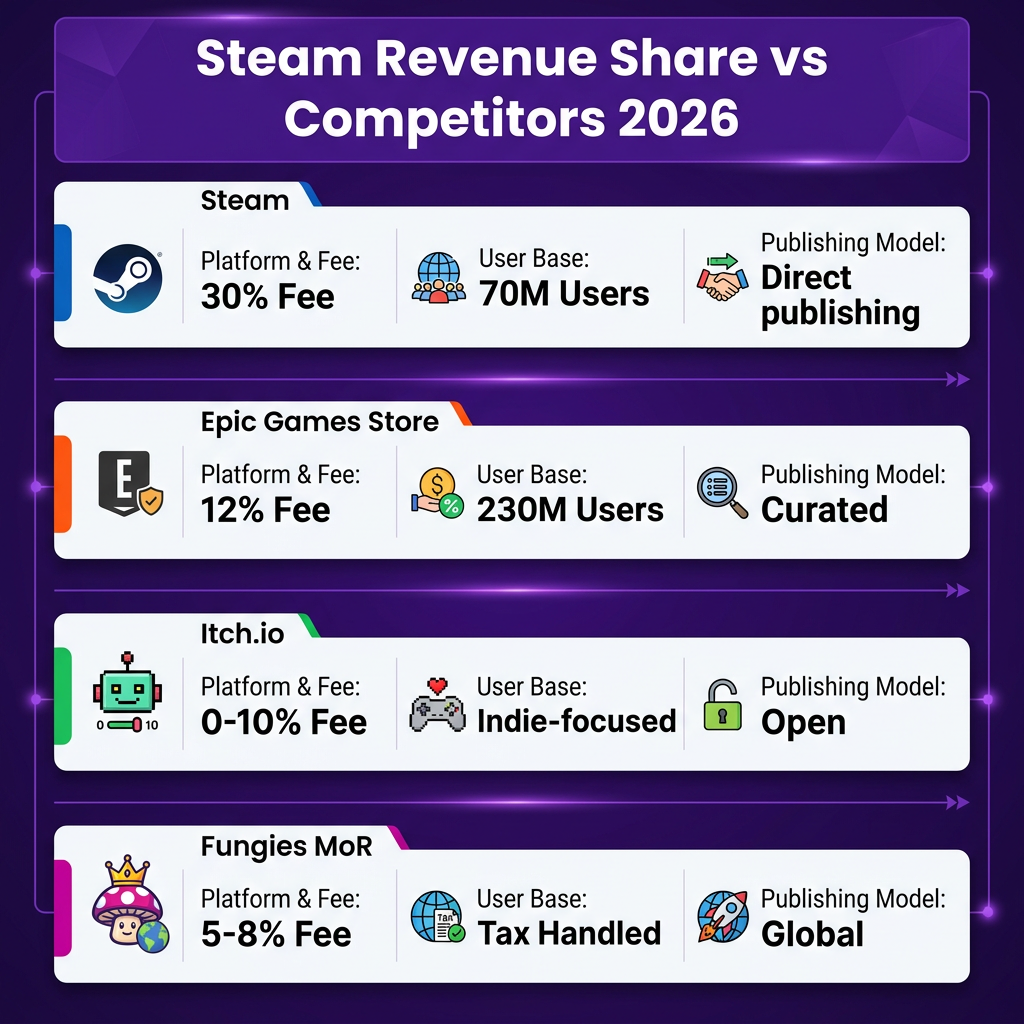
Before diving into the publishing process, let’s address the elephant in the room: Steam’s revenue split. As of 2026, Steam takes a 30% cut of all sales by default. However, Valve introduced a tiered system in 2018 that benefits high-performing games:
- First $10 million in revenue: 70% to developer, 30% to Steam
- $10 million to $50 million: 75% to developer, 25% to Steam
- Above $50 million: 80% to developer, 20% to Steam
For most indie developers, the 70/30 split is the reality. While this might seem steep compared to Epic Games Store’s 88/12 split or Itch.io’s flexible 0-10%, Steam’s massive user base and discovery features often justify the higher fee. The key is understanding your total cost of doing business, including payment processing fees, tax compliance, and marketing spend.
Step-by-Step: How to Publish Your Game on Steam
The Steam publishing process is straightforward but requires attention to detail. Here’s the complete workflow:
Step 1: Create a Steamworks Account ($100 Fee)
To publish on Steam, you need a Steamworks partner account. The process requires:
- A one-time $100 USD fee per game (refunded after $1,000 in sales)
- Valid bank account for receiving payments
- Tax information (W-9 for US, W-8BEN for international)
- Business or personal identification documents
This fee acts as a quality gate, preventing spam and low-effort submissions. Once paid, you gain access to Steamworks, Valve’s backend portal for managing your game.
Step 2: Complete Tax and Legal Paperwork
Tax compliance is where many indie developers get overwhelmed. Steam requires:
- US Developers: W-9 form for tax reporting
- International Developers: W-8BEN or W-8BEN-E to claim treaty benefits
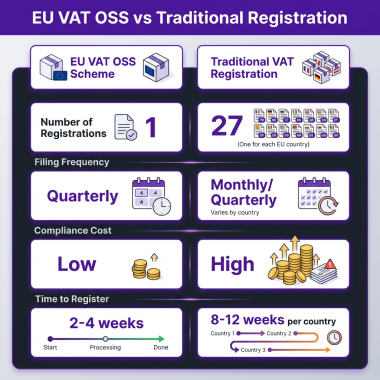
- VAT/GST Registration: Required for selling in EU, UK, Australia, and many other regions
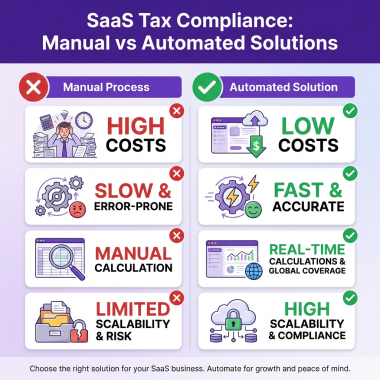
Here’s the critical part: Steam does NOT handle tax compliance for you. You’re responsible for collecting, remitting, and filing VAT/GST in every jurisdiction where you have customers. For a global game launch, this could mean registering for tax in 40+ countries and filing monthly or quarterly returns.
This is where a Merchant of Record (MoR) like Fungies becomes valuable. An MoR handles all tax compliance, payment processing, and regulatory requirements, letting you focus on game development.
Step 3: Prepare Your Store Page
Your Steam store page is your sales pitch. Essential elements include:
- Capsule Images: 231×87 (header), 467×181 (main), 616×353 (vertical)
- Trailer: 60-90 seconds showing gameplay, not just cinematics
- Screenshots: 5-10 high-quality images (1920×1080 minimum)
- Description: Compelling copy with bullet points for features
- Tags: 5-10 relevant genre and feature tags for discovery
Steam’s algorithm heavily weighs click-through rate and wishlist conversion. A professional trailer and eye-catching capsule art can make the difference between obscurity and visibility.
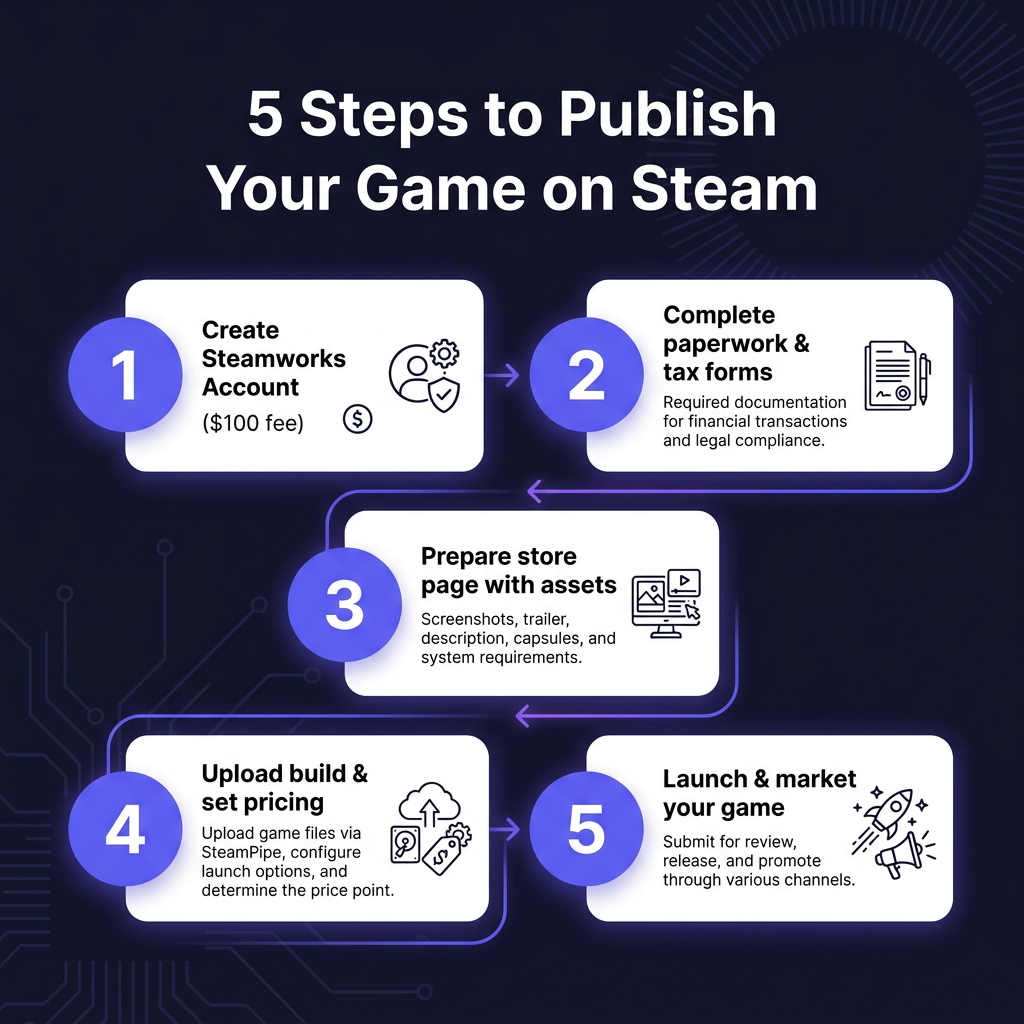
Step 4: Upload Your Build and Set Pricing
Steam uses SteamPipe for content delivery. You’ll upload your game build through the Steamworks backend, configure depots for different platforms (Windows, Mac, Linux), and set your pricing.
Pricing Strategy Tips:
- Research comparable games in your genre
- Consider regional pricing (Steam auto-suggests, but you can customize)
- Plan launch discounts (10-20% is standard)
- Factor in the 30% Steam cut plus any additional payment processing
Step 5: Launch and Market Your Game
Launch day is just the beginning. Successful Steam games rely on:
- Wishlist Building: Start collecting wishlists 3-6 months before launch
- Steam Events: Use the Events system for updates, sales, and announcements
- Review Keys: Send keys to streamers and press 1-2 weeks before launch
- Community Hub: Engage with players through discussions and announcements
- Steam Next Fest: Apply for this demo showcase event for visibility
Selling Games Globally? Handle Tax Compliance Automatically
Fungies.io is the Merchant of Record for game developers — we handle VAT, sales tax, and global payments so you can focus on making great games.
No credit card required • 5-8% all-inclusive fee
Steam Alternatives: Where Else Can You Sell?
While Steam dominates PC gaming, diversifying your distribution can increase revenue:
- Epic Games Store: 88/12 revenue split, curated selection, smaller but growing user base
- Itch.io: Flexible revenue share (0-10%), indie-focused, great for early access
- GOG: DRM-free focus, older demographic, manual curation
- Humble Bundle: Bundle opportunities, charity component, exposure to new audiences
- Direct Sales: Your own website with payment processing (highest margins, full control)
Many successful indies use a multi-platform strategy: launch on Steam for the main audience, use Itch.io for early supporters, and maintain direct sales for maximum margin.
Tax Compliance: The Hidden Complexity
Here’s what Steam doesn’t tell you upfront: selling globally creates immediate tax obligations. When you sell to customers in:
- European Union: You must collect and remit VAT (20% average rate)
- United Kingdom: 20% VAT required
- Australia: 10% GST required
- US States: Sales tax nexus thresholds vary by state
Steam provides gross revenue — you receive the full payment and are responsible for all tax compliance. This means registering for VAT in each jurisdiction, filing regular returns, and maintaining records for audits.
For most indie developers, this administrative burden is overwhelming. A Merchant of Record like Fungies.io solves this by:
- Automatically calculating and collecting VAT/GST at checkout
- Remitting taxes to each jurisdiction on your behalf
- Handling all tax filings and compliance documentation
- Providing a single consolidated payout
- Protecting you from tax liability and audit risk
With Fungies, you get a 5-8% all-inclusive fee that covers payment processing, tax compliance, fraud protection, and global payouts — often less than what you’d pay just for payment processing + tax compliance separately.
FAQ: Selling Games on Steam
How much does it cost to sell a game on Steam?
The Steam Direct fee is $100 per game, refundable after you earn $1,000 in sales. Steam takes a 30% revenue share (reducing to 25% after $10M and 20% after $50M). Additional costs include payment processing (~2.9% + $0.30 per transaction) and tax compliance costs if selling globally.
Can I sell my game on Steam without a company?
Yes, you can publish as an individual using your personal tax information (W-9 in the US, W-8BEN internationally). However, you’ll be personally liable for all tax obligations and should consider forming an LLC or corporation as your revenue grows.
How long does Steam approval take?
Steam Direct approval typically takes 1-5 business days after you complete the paperwork and pay the $100 fee. Store page review takes an additional 3-7 days. Build review (for your actual game files) usually takes 1-3 days.
Does Steam handle taxes for developers?
No. Steam pays you gross revenue and you are responsible for all tax compliance, including VAT, GST, and sales tax in every jurisdiction where you have customers. This is a major reason developers use Merchant of Record services like Fungies.
What’s the best alternative to Steam for indie developers?
Itch.io is the most indie-friendly alternative with flexible revenue sharing (0-10%) and no upfront fees. Epic Games Store offers better revenue split (88/12) but is curated and harder to get onto. For maximum control and margins, consider direct sales through your own website using a platform like Fungies.
Conclusion: Is Steam Worth It for Indie Developers?
Steam remains the essential platform for PC game distribution in 2026. While the 30% cut and lack of tax compliance support are drawbacks, the massive built-in audience and discovery features make it hard to ignore. The key is going in with realistic expectations:
- Factor the 30% cut plus tax compliance costs into your pricing
- Build wishlists early and market aggressively before launch
- Consider a Merchant of Record to handle global tax complexity
- Diversify across multiple platforms to maximize revenue
- Engage with your community consistently post-launch
With proper planning and the right tools, selling your game on Steam can be the foundation of a sustainable indie game business. The $100 investment is minimal compared to the potential reach — just make sure you’re prepared for the tax and compliance responsibilities that come with global sales.