Selling digital downloads has become one of the most accessible ways to build passive income in 2026. Whether you are creating ebooks, templates, software, music, or digital art, the global market for digital products is projected to reach $331 billion by the end of the year. This guide will walk you through exactly how to sell digital downloads online — from choosing the right platform to optimizing your sales funnel.
Unlike physical products, digital downloads require no inventory, no shipping, and minimal overhead. Once created, your product can be sold infinitely without additional production costs. However, success requires understanding the technical setup, legal compliance, and marketing strategies that separate top sellers from the rest.
What Are Digital Downloads?
Digital downloads are any files that customers can purchase and download instantly to their devices. Common types include PDF ebooks, Notion templates, Photoshop presets, software applications, stock photos, music files, video courses, and printable planners. The key advantage is instant delivery — customers receive their purchase immediately after payment, creating a seamless buying experience.
The digital download market has exploded because consumers value immediate access. A 2025 study found that 73% of digital product buyers expect instant delivery, and platforms that fail to provide this see 40% higher cart abandonment rates. This makes choosing the right sales platform critical to your success.
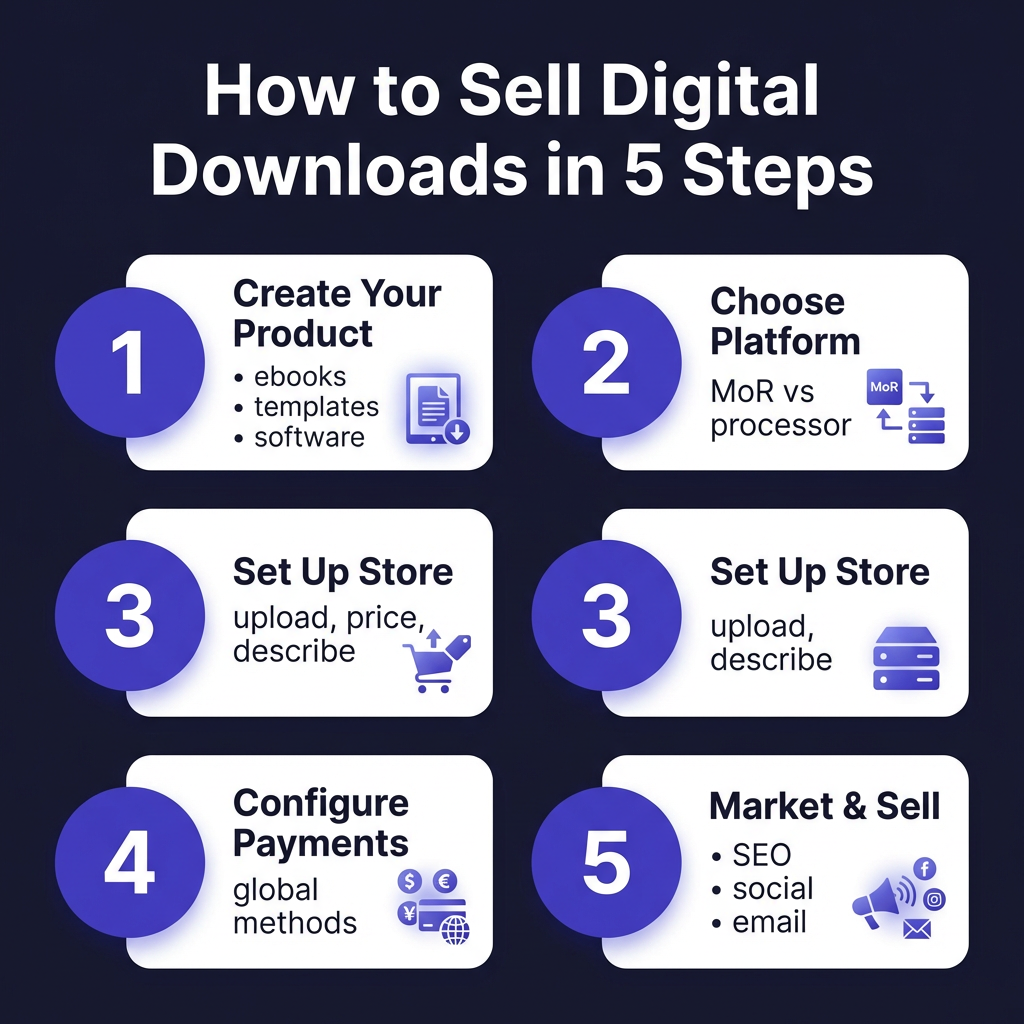
Step 1: Choose Your Digital Product
Before setting up your store, you need a product that solves a real problem. The most successful digital downloads fall into three categories: educational content (courses, ebooks, templates), creative assets (designs, music, photos), and productivity tools (software, automation scripts, planners). Research your target audience’s pain points using forums, social media, and keyword tools to identify demand.
Start with one high-quality product rather than spreading yourself thin. A single exceptional $49 ebook will outsell ten mediocre $5 products. Focus on depth and value — your customers should feel they received 10x the price they paid. This builds reviews, referrals, and repeat business that compounds over time.
Step 2: Select the Right Sales Platform
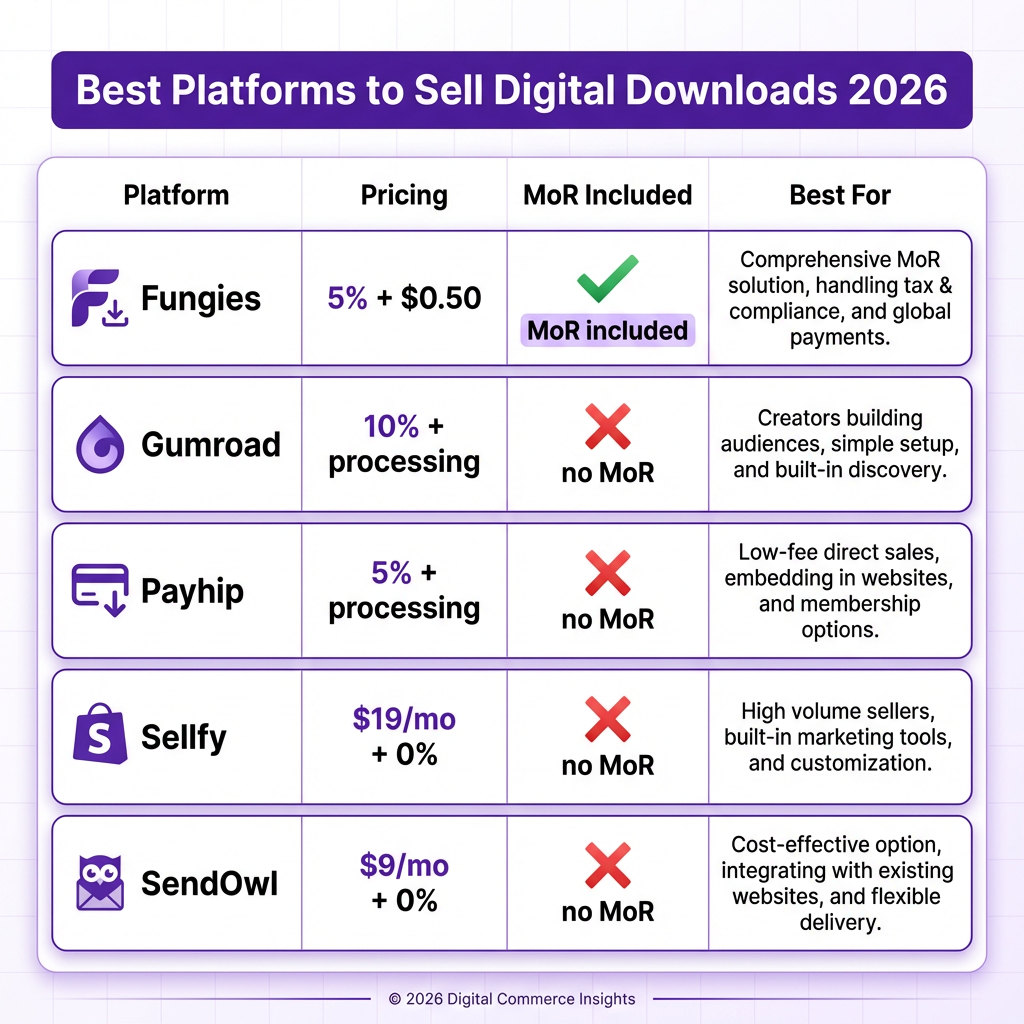
Your platform choice determines your fees, tax compliance burden, and customer experience. There are two main approaches: marketplaces like Etsy or Gumroad that handle hosting but charge higher fees, or dedicated platforms like Fungies that give you more control with lower transaction costs.
Consider these factors when choosing: transaction fees (typically 5-10%), payment processing costs, tax compliance handling (critical for global sales), file hosting limits, customization options, and integration capabilities. Platforms that include Merchant of Record services automatically handle VAT and sales tax collection, saving you significant accounting costs and legal risk.
Step 3: Set Up Your Product Listing
A compelling product listing converts browsers into buyers. Start with a clear, benefit-focused title that includes your target keyword. Your description should lead with the transformation your product provides — not just features. Instead of “50-page ebook with templates,” write “Save 10 hours per week with proven templates that streamline your workflow.”
Include high-quality preview images, a detailed table of contents, and specific use cases. Add social proof through testimonials or usage statistics. Price strategically — research shows that prices ending in 7 or 9 convert better ($27 vs $30), and offering tiered pricing (basic, premium, bundle) can increase average order value by 35%.
Step 4: Configure Payment and Delivery
Seamless payment processing is essential. Accept multiple payment methods including credit cards, PayPal, and local options like iDEAL or Alipay for international customers. The checkout process should take under 30 seconds — every additional field reduces conversion by 10%.
Automated delivery is non-negotiable. After payment, customers should receive an immediate download link via email and on the confirmation page. Use secure, expiring links to prevent unauthorized sharing while ensuring legitimate buyers have permanent access. Test your entire purchase flow before launching to catch any friction points.
Step 5: Market Your Digital Downloads
Even the best product needs marketing. Start with content marketing — create blog posts, YouTube videos, or social media content that addresses your audience’s problems and naturally leads to your product. SEO-optimized content can drive organic traffic for years with minimal ongoing effort.
Build an email list from day one. Offer a free lead magnet (sample chapter, mini-template) in exchange for email addresses. Email marketing typically generates $36 for every $1 spent — the highest ROI channel for digital product sellers. Use social proof, scarcity (limited-time offers), and urgency to drive conversions.
Tax Compliance for Digital Downloads
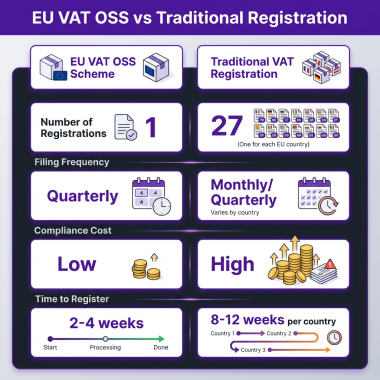
Selling globally creates tax obligations. In the EU, digital products require VAT collection from the first sale. The US has economic nexus laws requiring sales tax collection once you exceed thresholds (typically $100,000 in sales or 200 transactions per state). Australia, Canada, and most other countries have similar requirements.
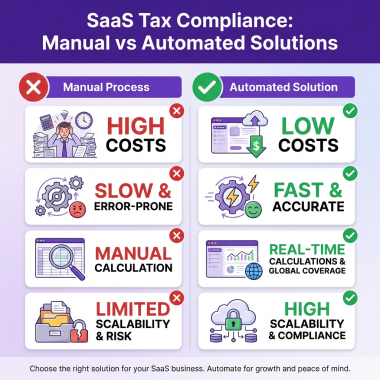
You have three options: register and file taxes manually in each jurisdiction (complex and time-consuming), use tax automation software like TaxJar or Avalara (additional $100-300/month), or sell through a Merchant of Record platform that handles all tax compliance automatically. For most creators, the MoR option eliminates the biggest barrier to global expansion.
FAQ: Selling Digital Downloads
What types of digital downloads sell best? Educational products (courses, ebooks, templates) and productivity tools consistently outperform other categories. The key is solving a specific, painful problem for a defined audience.
How much can I make selling digital downloads? Income varies widely, but successful creators typically earn $1,000-$10,000/month within their first year. Top sellers on platforms like Gumroad and Fungies earn six figures annually from digital products alone.
Do I need a business license to sell digital downloads? Requirements vary by location, but most jurisdictions require some form of business registration once you exceed $400 in annual revenue. Consult a local accountant for specific requirements.
How do I prevent piracy of my digital downloads? While complete prevention is impossible, you can reduce unauthorized sharing by using expiring download links, watermarking PDFs, and including personalized information in each copy. Focus on serving paying customers rather than fighting pirates.
What is the best platform for beginners? For beginners, look for platforms with low fees, built-in tax compliance, and no monthly costs. Fungies offers 5% + $0.50 per transaction with full Merchant of Record services included, making it ideal for creators starting out.
Conclusion
Selling digital downloads offers one of the best opportunities for building scalable, passive income in 2026. Success requires choosing the right product, platform, and marketing strategy — but the barrier to entry has never been lower. Start with a single high-quality product, focus on solving real problems, and scale based on customer feedback.
The platforms and tools available today handle the technical complexity, allowing you to focus on creating value. Whether you are a designer, developer, writer, or educator, there is an audience waiting for your expertise. The key is taking action — your first digital download sale could be days away.
Ready to Start Selling Digital Downloads?
Join hundreds of creators using Fungies.io — automated tax compliance, 50+ payment methods, instant global delivery.
No credit card required • 5% + $0.50 per transaction