Selling your indie game on Steam is the dream for many developers — but the reality involves more than just uploading your build. With over 132 million monthly active users, Steam remains the largest PC gaming platform, yet standing out requires strategy, preparation, and understanding the platform’s unique ecosystem. Whether you are a solo developer or a small studio, this guide walks you through everything you need to know about selling your game on Steam in 2026.
Why Sell Your Game on Steam?
Steam dominates the PC gaming market with a 75% market share. In 2025 alone, Steam users purchased over 500 million games, generating billions in revenue for developers. The platform offers unmatched discoverability through its recommendation algorithms, seasonal sales events, and community features like reviews and wishlists.
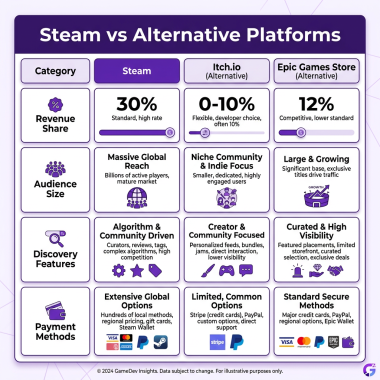
However, Steam takes a 30% revenue cut (reduced to 25% after $10M and 20% after $50M in sales). For many indie developers, this fee is worth the exposure and infrastructure Steam provides. The platform handles payments in 40+ currencies, offers built-in DRM options, and provides robust analytics to track your game’s performance.
Step-by-Step: How to Sell Your Game on Steam
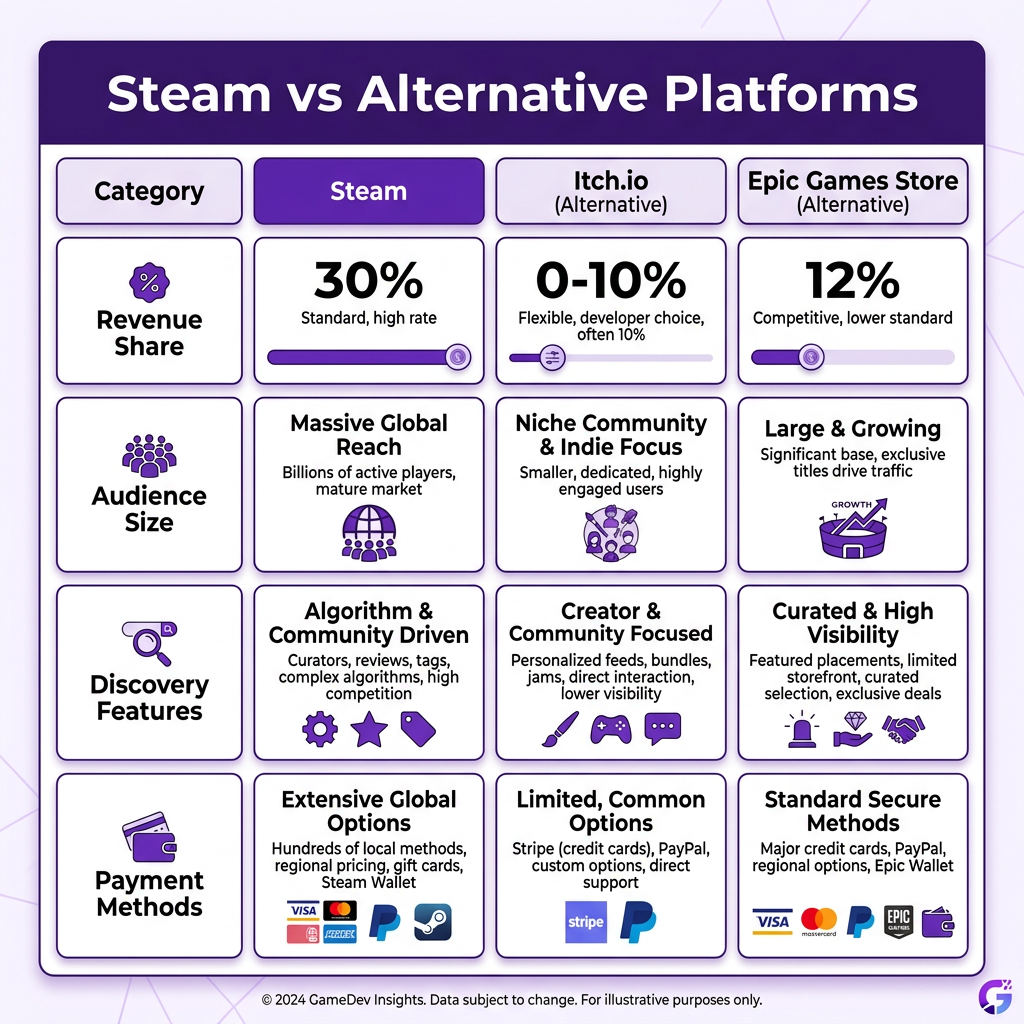
Getting your game on Steam requires following a specific process. Here is the complete breakdown:
Step 1: Create a Steamworks Account
Steamworks is Valve’s developer portal. You will need a verified business entity or personal tax information to register. The process includes identity verification and agreeing to Steam’s Distribution Agreement. Allow 2-5 business days for approval.
Step 2: Pay the Steam Direct Fee
Steam requires a $100 USD fee per game (recoupable after $1,000 in sales). This fee helps reduce spam and low-effort submissions. You will pay through the Steamworks dashboard using various payment methods.
Step 3: Prepare Your Store Page
Your store page is your sales pitch. You will need: a compelling game description (minimum 150 words), 5-10 screenshots, a trailer (30-90 seconds), system requirements, and supported languages. Invest time in keyword optimization — terms like “roguelike,” “co-op,” or “pixel art” help players find your game.
Step 4: Upload Your Game Build
Use SteamPipe, Steam’s content delivery system, to upload your game files. You will need to configure depots (game files), branches (beta vs. release), and launch options. Test thoroughly using Steam’s private beta keys before going live.
Step 5: Set Up Pricing and Regions
Steam supports regional pricing in 40+ currencies. Research comparable games to set competitive prices. Most indie games launch between $9.99-$19.99 USD. Consider launch discounts (10-20% off) to drive initial sales and generate reviews.
Steam Alternatives Worth Considering
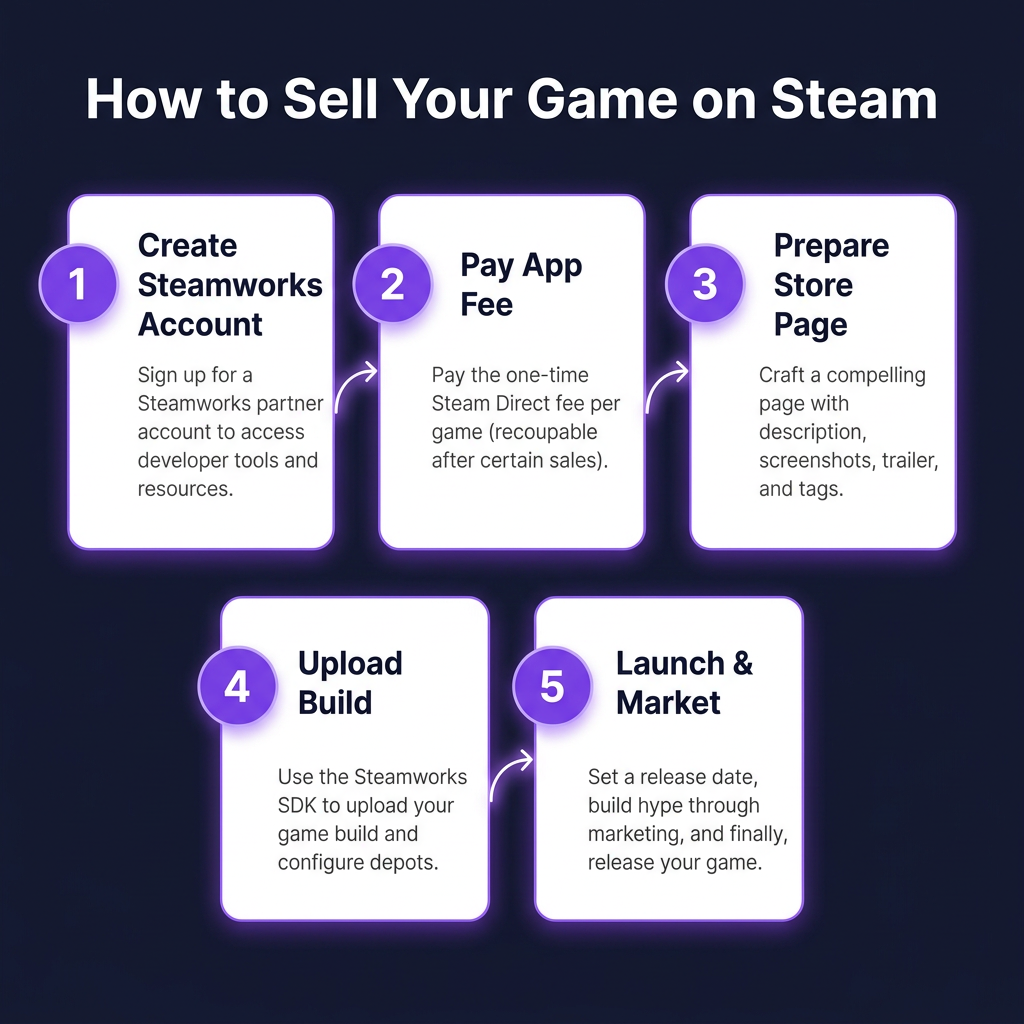
While Steam is the giant, alternative platforms offer different advantages:
- Itch.io: 0% revenue share (optional 10% tip), developer-friendly, great for early access and experimental games
- Epic Games Store: 12% revenue share, curated selection, free game promotions boost visibility
- GOG: DRM-free focus, smaller but dedicated audience, excellent for retro-style games
- Humble Bundle: Bundle opportunities, charitable component, exposure to millions of subscribers
Many successful developers use a multi-platform strategy — launching on Itch.io for early feedback, then expanding to Steam for broader reach.
Marketing Your Steam Game
Uploading to Steam is just the beginning. The platform receives 50+ new games daily, making marketing essential:
- Wishlists matter: Steam’s algorithm heavily weighs wishlist numbers. Aim for 5,000-10,000 wishlists before launch for algorithmic visibility.
- Steam events: Use Steam’s event system for updates, sales, and announcements. These appear on players’ homepages.
- Tags and categories: Choose accurate tags — they determine which players see your game in recommendations.
- Reviews drive sales: Encourage satisfied players to leave reviews. Games with 50+ positive reviews see significantly higher conversion rates.
- Discounts work: Steam sales events (Summer Sale, Winter Sale) can generate 5-10x normal revenue.
Ready to Sell Your Game Without the Hassle?
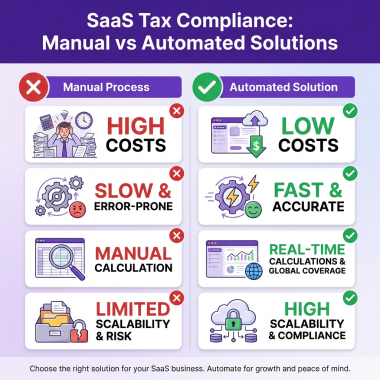
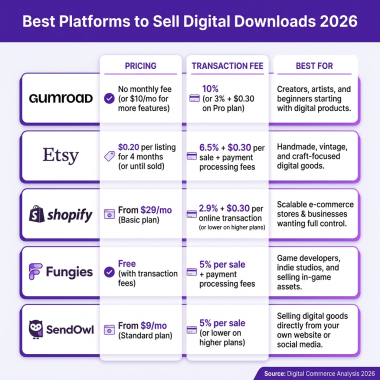
Fungies.io handles payments, taxes, and compliance — so you can focus on making great games. Global reach, 50+ payment methods, automated tax handling.
No credit card required
Common Mistakes to Avoid
New developers often stumble on these pitfalls:
- Rushing to launch: A buggy release generates negative reviews that never go away. Polish first.
- Ignoring regional pricing: $15 USD might be affordable in the US but expensive elsewhere. Use Steam’s recommended regional pricing.
- Poor store page: Bad screenshots or no trailer kills conversions. Invest in professional presentation.
- No marketing budget: Expecting Steam’s algorithm to do all the work is a recipe for failure. Budget for ads, influencers, or PR.
- Neglecting post-launch: Games that receive updates sell better long-term. Plan a content roadmap.
FAQ: Selling Games on Steam
How much does it cost to sell a game on Steam?
Steam charges a $100 recoupable fee per game. The platform takes 30% of revenue (decreasing to 25% after $10M and 20% after $50M).
Can I sell my game on Steam as an individual?
Yes, but you will need to provide tax information and go through Steam’s verification process. A business entity is not required.
How long does Steam approval take?
Account verification takes 2-5 business days. Game review typically takes 3-5 business days after submission.
What percentage does Steam take from game sales?
30% by default, reduced to 25% after $10 million in sales and 20% after $50 million.
Do I need a publisher to sell on Steam?
No. Indie developers can self-publish directly through Steamworks.
Conclusion
Selling your game on Steam opens doors to the largest PC gaming audience in the world, but success requires more than just uploading your files. From crafting a compelling store page to building wishlists and running discounts, every step matters. Start early, plan your marketing, and consider Steam as one part of a broader distribution strategy.
For developers looking to simplify payments, taxes, and global compliance, platforms like Fungies.io offer Merchant of Record services that handle the financial complexity — letting you focus on what you do best: making great games.