Introduction: The Great App Store Exodus
For over a decade, the mobile gaming industry has operated under a simple, unwritten rule: to reach the masses, you must pay the toll. Apple and Google, the gatekeepers of the two largest mobile ecosystems, have long commanded a 30% commission on all in-app purchases, a levy often referred to as the “App Store Tax.” This has been a bitter pill to swallow for developers, who have watched a significant portion of their hard-earned revenue disappear into the coffers of these tech giants. But in 2026, the tide has turned. A wave of regulatory pressure, landmark legal battles, and a strategic shift towards direct-to-consumer (D2C) models have created a new reality for mobile game developers. The era of the web shop is here, and it’s not just a trend—it’s a revolution.
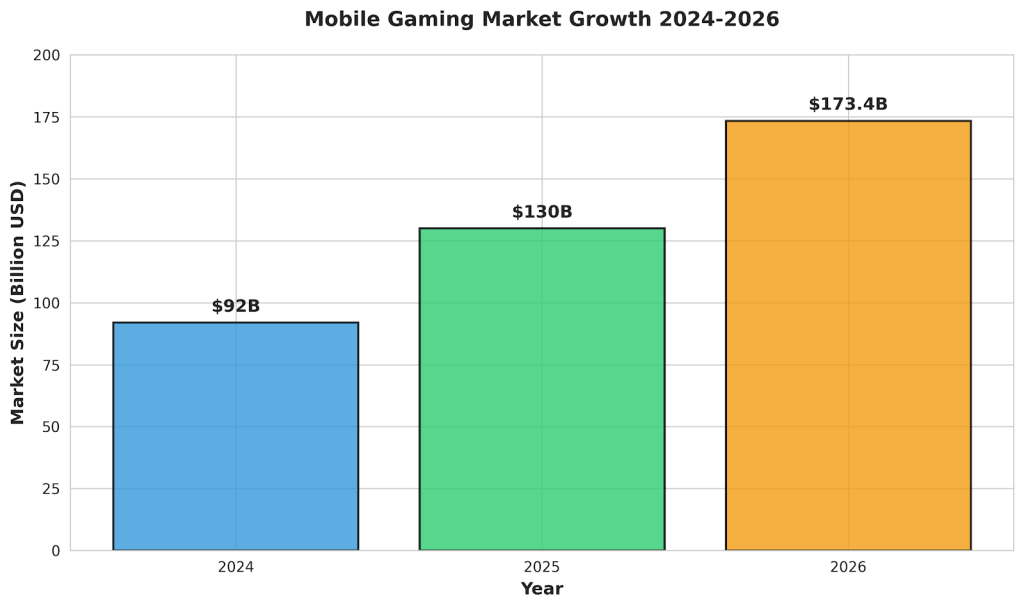
Figure 1: Mobile Gaming Market Growth 2024-2026
This article will explore the seismic shift in the mobile gaming landscape, providing a comprehensive guide for developers looking to launch their own web shops in 2026. We will delve into the best practices, emerging trends, and actionable strategies for bypassing the 30% platform fees, increasing revenue, and building a direct, profitable relationship with your players. The mobile gaming market is projected to reach a staggering $173.4 billion by 2026 [1], and with the rise of web shops, a larger slice of that pie is now within reach for developers of all sizes.
The 30% Tollbooth: A Brief History of the App Store Tax
The 30% commission on in-app purchases has been a source of contention for years. Developers, from indie studios to industry titans, have argued that this fee is anti-competitive and stifles innovation. The issue came to a head in 2020 when Epic Games, the creator of the blockbuster title Fortnite, directly challenged Apple’s policies by implementing its own in-app payment system, bypassing the App Store’s billing process. This act of defiance led to Fortnite‘s removal from the App Store and sparked a high-stakes legal battle that would have far-reaching consequences for the entire industry.
The Epic v. Apple verdict in 2021 was a watershed moment. While the court did not find Apple to be a monopolist, it did rule that the company’s “anti-steering” provisions, which prevented developers from informing users about alternative payment methods, were anti-competitive. The court issued a permanent injunction, forcing Apple to allow developers to link to external payment options. After a series of appeals, Apple finally updated its App Store guidelines in May 2025, officially opening the door for web shops in the U.S. market [2].
This legal victory, combined with similar regulatory pressures in the European Union (the Digital Markets Act), South Korea, and other regions, has created a new global landscape where developers have more control over their monetization strategies than ever before. The 30% tollbooth is no longer an insurmountable barrier; it is now a bypassable obstacle.
The Rise of the Direct-to-Consumer (D2C) Web Shop
A direct-to-consumer (D2C) web shop is a dedicated website where players can purchase in-game items, currency, and other digital goods directly from the developer. By processing these transactions outside of the traditional app stores, developers can avoid the 30% commission and retain a much larger portion of their revenue. But the benefits of a D2C web shop go far beyond simple cost savings.
By establishing a direct relationship with their players, developers can:
- Gain valuable insights into player behavior and spending habits.
- Offer personalized promotions and exclusive content to drive engagement and loyalty.
- Build a strong community around their game, fostering a sense of belonging and brand affinity.
- Control the entire customer journey, from discovery to purchase to post-sale support.
Player adoption of D2C web shops is already on the rise. According to a 2024 report by Mistplay, 26% of players are open to visiting a publisher’s DTC website, and 14% have already made a purchase on one [3]. As more developers launch their own web shops and offer compelling incentives for players to use them, these numbers are expected to grow significantly in 2026 and beyond.
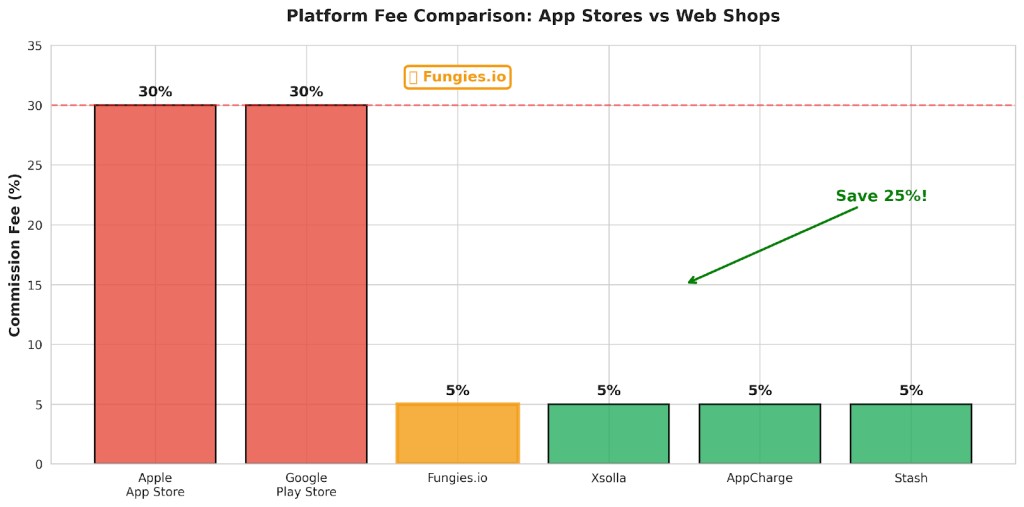
Figure 2: Platform Fee Comparison – App Stores vs Web Shops
Best Practices for Building a High-Converting Web Shop
Launching a successful web shop requires more than just a “build it and they will come” approach. To maximize conversions and create a seamless experience for your players, you need to follow a set of best practices that have been proven to drive results. Here are the key considerations for building a high-converting web shop in 2026:
1. Choose the Right Partner: Buy vs. Build
The first and most critical decision you will make is whether to build your web shop from scratch or partner with a third-party provider. While the DIY approach offers complete control, it also requires significant engineering resources and expertise in payments, taxes, and fraud prevention. For most developers, partnering with a specialized web shop provider is the more practical and efficient choice.
When evaluating potential partners, consider the following:
- Ease of integration: How easily can the provider’s solution be integrated with your existing game and backend systems?
- Payment options: Does the provider support a wide range of payment methods, including local options for your key markets?
- Monetization features: What tools and features does the provider offer to help you optimize your pricing, promotions, and overall revenue strategy?
- Compliance and security: How does the provider handle global tax compliance, data privacy, and fraud protection?
- Cost: What is the provider’s fee structure, and how does it compare to the 30% commission charged by the app stores?
Several reputable web shop providers have emerged as leaders in the mobile gaming space, each with its own unique strengths. Xsolla, for example, is a well-established player with a comprehensive suite of tools and a proven track record of success. AppCharge offers a user-friendly, no-code solution with a focus on gamification. Stash positions itself as a “dev-first” platform with a commitment to transparency and a curated selection of payment providers. Coda Payments provides a unique model that allows developers to sell their products on the popular Codashop marketplace [4].
2. Design for a Seamless User Experience (UX)
The user experience of your web shop is just as important as the products you sell. A clunky, confusing, or untrustworthy interface will quickly drive players away, while a seamless and intuitive experience will encourage them to make a purchase. Here are some key UX best practices to follow:
- Keep it simple: Don’t overwhelm players with too many options or a cluttered layout. Use a clean and simple design that makes it easy to find what they’re looking for.
- Optimize for mobile: The vast majority of your players will be accessing your web shop from their mobile devices, so it’s essential to have a responsive design that looks and works great on a small screen.
- Minimize friction: The checkout process should be as quick and easy as possible. Don’t require players to create an account or fill out a lengthy form. Offer guest checkout and support one-click payments where possible.
- Build trust: Display security badges, customer testimonials, and clear contact information to reassure players that their payment information is safe and that they can get help if they need it.
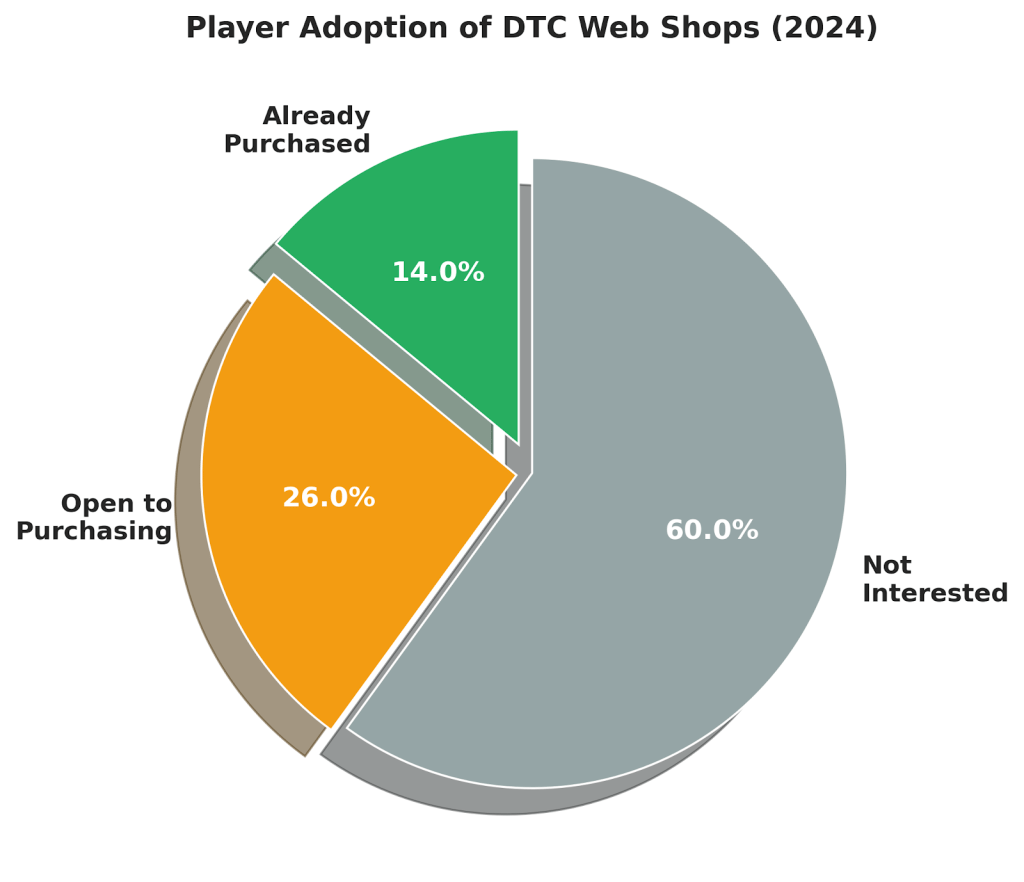
Figure 3: Player Adoption of DTC Web Shops (2024)
3. Offer Exclusive Content and Compelling Promotions
To entice players to use your web shop instead of making in-app purchases, you need to give them a compelling reason to do so. The most effective way to do this is by offering exclusive content and promotions that are not available anywhere else. This could include:
- Exclusive in-game items: Offer unique skins, characters, or other items that can only be purchased on your web shop.
- Bonus currency: Give players extra in-game currency when they make a purchase on your web shop.
- Limited-time offers: Create a sense of urgency with flash sales and other time-sensitive promotions.
- Loyalty programs: Reward repeat customers with exclusive perks and discounts.
Niantic’s web shop for *Pokémon GO* is a great example of this strategy in action. In addition to selling in-game currency, the shop also offers exclusive item bundles and tickets to real-world events, creating a powerful incentive for players to make their purchases directly from the source [3].
4. Integrate with Your Game and Marketing Channels
Your web shop should not exist in a vacuum. To maximize its effectiveness, you need to integrate it with your game and your marketing channels. This includes:
- In-game promotions: Use in-game pop-ups, banners, and other messaging to drive players to your web shop.
- Email and social media marketing: Promote your web shop and its exclusive offers to your email subscribers and social media followers.
- Deep linking: Use deep links to send players directly to specific product pages on your web shop from your game or marketing campaigns.
- Data synchronization: Ensure that your web shop and your game are sharing data in real-time, so that players can see their purchases in the game immediately after they make them.
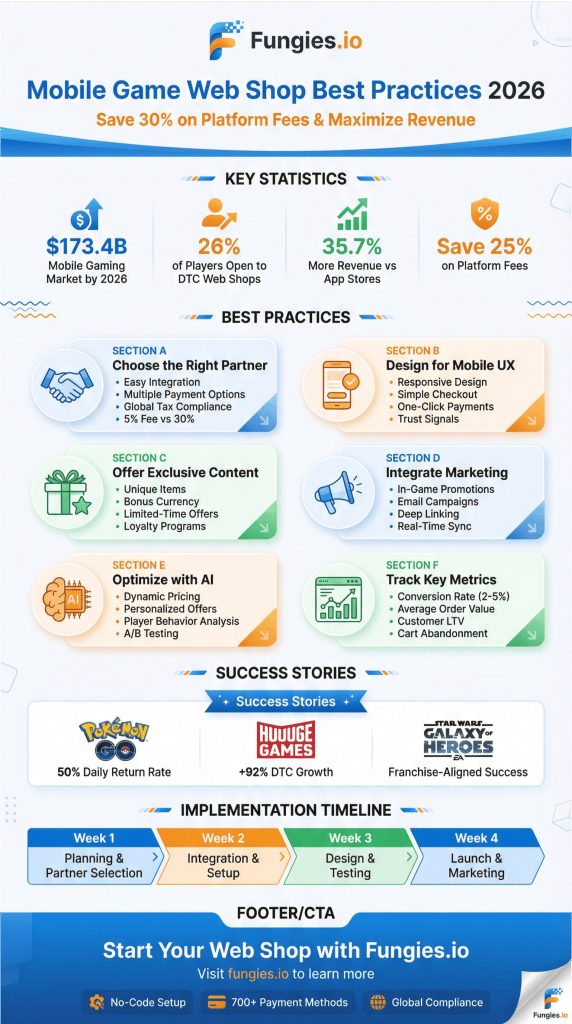
Top 5 Mobile Game Web Shop Trends for 2026
The launch of a web shop is just the beginning. To stay ahead of the curve and maximize your revenue in 2026, you need to be aware of the latest trends that are shaping the mobile gaming landscape. Here are the top five trends to watch:
1. AI-Powered Personalization and Dynamic Offers
In 2026, one-size-fits-all monetization is dead. Players expect personalized experiences, and AI is the key to delivering them. By leveraging AI and machine learning, you can analyze player data to understand their individual preferences, spending habits, and in-game behavior. This allows you to create dynamic offers and promotions that are tailored to each player, increasing the likelihood of a conversion.
“AI will reshape the mobile experience even more aggressively than on PC or console. I would expect smarter personalisation: difficulty that adjusts in real time, dynamic content drops, AI-generated quests, and rapid creative iteration that lets studios test high numbers of ad and content variations weekly. This will make mobile games feel more tailored, fresh, and constantly updating.” – Ada Mockute Jaime, CMO, Nordcurrent [5]
Imagine a player who always buys cosmetic items but never power-ups. Instead of showing them a generic offer for a bundle of both, you can use AI to create a personalized offer that includes only the cosmetic items they are most likely to be interested in. This level of personalization not only increases revenue but also improves the player experience by making them feel seen and understood.
2. The Rise of Creator-Led Marketing and Community Building
As traditional user acquisition channels become more expensive and less effective, creator-led marketing has emerged as a powerful alternative. By partnering with influencers and content creators, you can tap into their existing communities and build trust and social proof for your game and your web shop. In 2026, creators are not just a marketing channel; they are an integral part of the game ecosystem.
“Mobile games will lean harder into creator driven awareness and community building as paid channels keep losing clarity. Games that integrate creators early in the lifecycle will grow faster because they can build trust, social proof, and demand before launch.” – Marion Balinoff, Influencer Marketing Consultant [5]
Consider creating exclusive offers for creators to share with their followers, or even co-creating in-game items with them. This not only drives traffic to your web shop but also fosters a sense of community and belonging around your game. By empowering creators to become advocates for your brand, you can create a powerful and sustainable engine for growth.
3. Hybrid Monetization and Rewarded Play
In 2026, the lines between different monetization models are blurring. The most successful games are adopting a hybrid approach that combines in-app purchases, subscriptions, and advertising to create a diversified and resilient revenue stream. Rewarded play, in particular, has emerged as a powerful tool for monetizing non-spending players and increasing overall LTV.
By offering players the opportunity to earn in-game currency or other rewards by watching ads or completing offers, you can create a positive and engaging experience that doesn’t feel like a hard sell. This “reward bundling” approach expands monetization to every user type, from ad-first players to light spenders, lifting overall LTV without harming the user experience [5].
4. The Shift from User Acquisition to Retention
For years, the mobile gaming industry has been obsessed with user acquisition (UA). But as CPIs continue to rise, developers are realizing that it’s far more cost-effective to retain existing players than to constantly acquire new ones. In 2026, the focus has shifted from UA to retention, and web shops are playing a key role in this new paradigm.
By offering exclusive content, personalized promotions, and loyalty programs, you can give players a compelling reason to stick around and continue spending money in your game. Retargeting campaigns can be used to bring back lapsed players with special offers, while in-game events and live ops can keep your community engaged and excited.
“My top prediction is that 2026 will see a decisive shift in marketing focus, moving budgets from User Acquisition to Retention and Retargeting. For years, rising CPIs have made traditional UA prohibitively expensive. The key driver for the 2026 strategy is simple economics: re-engaging a known user via RT is significantly cheaper than acquiring a new one.” – Vera Manhoso, Gaming Account Director, RTB House [5]
5. Games as Social Ecosystems
In 2026, mobile games are no longer just isolated apps; they are vibrant social ecosystems where players can connect, compete, and create. The most successful games are those that foster a strong sense of community and provide players with the tools they need to express themselves and interact with others.
Web shops can play a powerful role in this new paradigm by offering items and features that support social interaction. This could include guild-based promotions, collaborative challenges, or even tools for creating and sharing user-generated content. By integrating your web shop with the social fabric of your game, you can create a more immersive and engaging experience that keeps players coming back for more.
The Fungies.io Advantage: Your All-in-One Solution for Mobile Game Web Shops
As the mobile gaming industry embraces the D2C revolution, developers need a reliable and powerful partner to help them navigate the complexities of building and managing a web shop. Fungies.io is a merchant of record that provides a comprehensive, all-in-one solution for mobile game developers looking to launch their own web shops and save 30% on platform fees.
With Fungies.io, you can:
- Launch a fully customizable web shop in minutes, with no coding required.
- Accept payments from players all over the world, with support for over 700 payment methods.
- Automate global tax compliance, so you can focus on making great games, not on navigating complex tax laws.
- Protect your business from fraud, with our advanced fraud prevention tools.
- Gain valuable insights into your sales and player behavior with our powerful analytics dashboard.
But Fungies.io is more than just a payment processor. We are a true partner to our developers, providing them with the tools, resources, and support they need to succeed in the competitive mobile gaming market. Our team of experts is always on hand to help you with everything from setting up your web shop to optimizing your pricing and promotions.
Conclusion: The Future is Direct
The rise of web shops is not just a passing trend; it is a fundamental shift in the way mobile games are monetized. By embracing the D2C model, developers can break free from the constraints of the traditional app stores and build a more profitable and sustainable business. The road ahead will not be without its challenges, but for those who are willing to adapt and innovate, the rewards will be immense.
The 30% App Store tax is no longer an unavoidable cost of doing business; it is a choice. By launching your own web shop, you can choose to keep more of your revenue, build a direct relationship with your players, and take control of your own destiny. The future of mobile gaming is direct, and it starts today.
References
[1] Bigabid. (2026). Mobile Gaming Trends 2026: Neural Networks, AI, and the Future of Fun. https://www.bigabid.com/mobile-gaming-trends-2026/
[2] DodoPayments. (2025). Bypassing App Store Fees: A Developer’s Guide to the Post-Epic v. Apple World. https://docs.dodopayments.com/features/bypassing-app-store-fees
[3] Mistplay. (2025). The race to web: How direct-to-consumer web shops are transforming mobile game monetization. https://business.mistplay.com/resources/direct-to-consumer-mobile-game-monetization
[4] Metaplay. (2024). Picking the Right Web Shop for Your Mobile Game. https://metaplay.io/blog/picking-the-right-web-shop-for-your-mobile-game
[5] Global Games Forum. (2025). 2026 Predictions for Mobile Games. https://www.globalgamesforum.com/features/predictions-for-mobile-games-in-2026
The Legal Landscape: Where You Can Legally Bypass App Store Fees
Before launching your web shop, it’s crucial to understand the legal landscape and where you can legally bypass app store fees. The rules vary significantly by region, and failing to comply can result in your app being removed from the store or even legal action. Here’s a comprehensive overview of the current regulations as of 2026:
United States: The Post-Epic Victory
Following the Epic v. Apple ruling and subsequent appeals, the United States has become the most developer-friendly market for web shops. As of May 2025, Apple allows developers to include external purchase links in their iOS apps with no Apple fee [2]. This means that U.S.-based players can be directed to your web shop without any restrictions, and you can keep 100% of the revenue (minus your payment processor’s fee).
On Android, Google has implemented its User Choice Billing (UCB) system, which allows developers to offer alternative payment methods alongside Google Play billing. While Google still charges a reduced fee for UCB transactions, it’s significantly lower than the standard 30% commission. For most developers, the best strategy is to bypass Google Play billing entirely by directing players to a web shop.
The U.S. market represents the single largest opportunity for web shops. With over 100 million mobile gamers and the highest average revenue per user (ARPU) in the world, the ability to sell directly to U.S. players without paying platform fees is a game-changer for developers of all sizes.
European Union: The Digital Markets Act
The European Union’s Digital Markets Act (DMA), which came into effect in March 2024, has forced Apple and Google to open up their platforms to alternative payment methods. In the EU, developers can use alternative payment systems or link out to external websites, but Apple still charges a reduced commission of 10-17% on these transactions [2].
While this is better than the standard 30% fee, it’s still a significant cost. Many developers have chosen to absorb this fee in exchange for the benefits of having a direct relationship with their players. On Android, Google’s UCB is allowed for all apps in the EU, with a reduced fee structure.
South Korea: The First Mover
South Korea was the first country to pass legislation requiring Apple and Google to allow alternative payment methods. Under the “Anti-Google Law” passed in 2021, both companies must allow third-party payment systems. However, both Apple and Google have implemented their own approved payment service providers (PSPs), and they still charge a 26% commission on transactions processed through these PSPs [2].
While this is a step in the right direction, the high commission rate means that the financial benefits of using alternative payment methods in South Korea are limited. However, the law has set an important precedent and paved the way for similar legislation in other countries.
Other Markets: A Patchwork of Regulations
In Japan, Apple allows “reader apps” (apps that provide access to previously purchased content) to link out to external websites for purchases. In the Netherlands, dating apps can use alternative payment methods. In India, Google allows UCB with a 4% fee reduction. In China, Apple does not allow external billing at all [2].
The global regulatory landscape is constantly evolving, and developers need to stay informed about the latest changes in their key markets. Working with a web shop provider that has expertise in global compliance can help you navigate these complexities and ensure that you’re always operating within the law.
Implementation Roadmap: From Zero to Launch in 30 Days
Launching a web shop may seem daunting, but with the right partner and a clear roadmap, you can go from zero to launch in as little as 30 days. Here’s a step-by-step guide to help you get started:
Week 1: Planning and Partner Selection
The first week is all about planning and choosing the right partner. Start by defining your goals and requirements. What products will you sell on your web shop? What markets will you target? What payment methods do you need to support? Once you have a clear vision, research and evaluate potential web shop providers based on the criteria outlined earlier in this article.
Schedule demos with your top choices and ask detailed questions about their integration process, pricing, and support. Don’t be afraid to negotiate on fees and terms. Once you’ve selected a partner, sign the contract and get access to their platform and documentation.
Week 2: Integration and Setup
In the second week, you’ll integrate the web shop provider’s SDK or API with your game and backend systems. Most providers offer comprehensive documentation and support to help you through this process. You’ll also need to set up your product catalog, including item descriptions, images, and pricing.
During this phase, it’s important to work closely with your backend team to ensure that purchases made on the web shop are properly synced with your game in real-time. Players should see their purchases reflected in the game immediately after they make them, with no delays or errors.
Week 3: Design and Testing
The third week is dedicated to designing your web shop and conducting thorough testing. Work with your design team to create a user-friendly and visually appealing interface that aligns with your game’s branding. Pay special attention to the mobile experience, as most of your players will be accessing the web shop from their phones.
Conduct extensive testing to ensure that all payment methods work correctly, that items are delivered properly, and that the checkout process is smooth and error-free. Test on multiple devices and browsers to catch any compatibility issues. Also, test your fraud prevention measures to ensure that your web shop is secure.
Week 4: Launch and Marketing
In the final week, you’ll launch your web shop and begin marketing it to your players. Start with a soft launch to a small segment of your player base, and monitor the results closely. Look for any issues or bottlenecks in the user experience, and make adjustments as needed.
Once you’re confident that everything is working smoothly, roll out the web shop to your entire player base. Use in-game messaging, email campaigns, and social media to promote your web shop and its exclusive offers. Consider offering a special launch promotion to incentivize players to make their first purchase.
After launch, continue to monitor your web shop’s performance and make ongoing optimizations. Use A/B testing to experiment with different offers, pricing, and messaging. Collect feedback from your players and use it to improve the experience.
Success Stories: Developers Who Are Winning with Web Shops
To illustrate the power of web shops, let’s look at some real-world success stories from developers who have successfully implemented this strategy:
Niantic: Building on Core Gameplay
Since its 2016 launch, Pokémon GO has redefined mobile gaming with its real-world exploration mechanics. Niantic’s direct-to-consumer shop, introduced in 2023, perfectly complements this vision. Beyond selling exclusive in-game items and PokéCoins, the web store also offers real-world event tickets, tying digital purchases directly to the game’s core experience of outdoor exploration and social interaction [3].
The success of Pokémon GO’s DTC monetization model demonstrates how purpose-built web shops can deepen engagement beyond typical in-app purchases. With approximately 50% of players returning daily and a global reach across 190+ countries, this approach proves that DTC stores work best when they enhance, rather than just supplement, the core game.
Key Takeaway: A DTC web shop thrives when it aligns with your game’s unique experience – whether that’s real-world event tickets, community-driven rewards, or exclusive items that deepen immersion.
Huuuge Games: Leaning into Player Personas
Social casino games have always thrived on tiered VIP programs, where high-value players are rewarded with exclusive perks, bigger bonuses, and personalized offers. This makes them an ideal fit for DTC shops, which can amplify these monetization strategies by delivering even more premium-level value – and higher margins – outside of the app.
Huuuge Games, a leader in the Social Casino space, has proven this model works. Their DTC revenue tripled in 2023 ($16.6M) and grew another 92% in 2024, now accounting for 10.8% of total revenue [3]. By offering VIP-focused monetization with exclusive chip bundles and perks, Huuuge has reduced their platform fees from $60K to $51K while maintaining industry-leading ARPDAU (Average Revenue Per Daily Active User).
Key Takeaway: The most effective publishers with DTC stores don’t reinvent the wheel – they build on what already works within their games. Know what motivates your audience, then design your DTC strategy to deliver even more of it.
EA: Expanding the Power of IP and Brand Loyalty
Electronic Arts’ Star Wars: Galaxy of Heroes demonstrates the power of a franchise-aligned direct-to-consumer approach. Unlike generic mobile stores, its web shop turns every purchase into an extension of the galactic conflict between Rebels and Empire. The game’s DTC success stems from understanding what Star Wars fans truly want: to declare their allegiance and collect iconic characters [3].
Rather than offering standard bundles, they sell currency bundles such as the Large Galactic Enhancement Kit and item bundles like the Hyperdrive Bundle pack, which contains various beloved characters and in-game resources. Limited-time character unlocks turn spending into strategic roster-building rather than simple transactions.
Key Takeaway: Franchise games like Star Wars excel at DTC by selling fandom, but any game can replicate this success. The secret? Align your web store with player passions – through pop-culture collaborations, influencer bundles, or thematic events. When purchases feel like participation rather than transactions, you transform spending into self-expression.
Advanced Optimization Strategies for Maximum Revenue
Once your web shop is up and running, the real work begins. To maximize your revenue and stay ahead of the competition, you need to implement advanced optimization strategies that go beyond the basics. Here are some proven tactics that top-performing developers are using in 2026:
Dynamic Pricing and Personalized Offers
One of the biggest advantages of having your own web shop is the ability to implement dynamic pricing and personalized offers. Unlike the app stores, where you’re limited to a fixed set of price points, your web shop gives you complete control over pricing. You can adjust prices based on factors such as player behavior, geographic location, time of day, and even real-time supply and demand.
Personalized offers take this a step further by tailoring promotions to individual players based on their spending history, in-game behavior, and preferences. For example, if a player has a history of buying cosmetic items but never power-ups, you can show them a personalized offer for a bundle of exclusive skins at a discounted price. This level of personalization not only increases conversion rates but also improves player satisfaction by showing them offers that are relevant to their interests.
To implement dynamic pricing and personalized offers effectively, you’ll need to leverage data analytics and machine learning. Many web shop providers offer built-in tools for this, or you can integrate with third-party analytics platforms. The key is to continuously test and refine your approach based on real-world results.
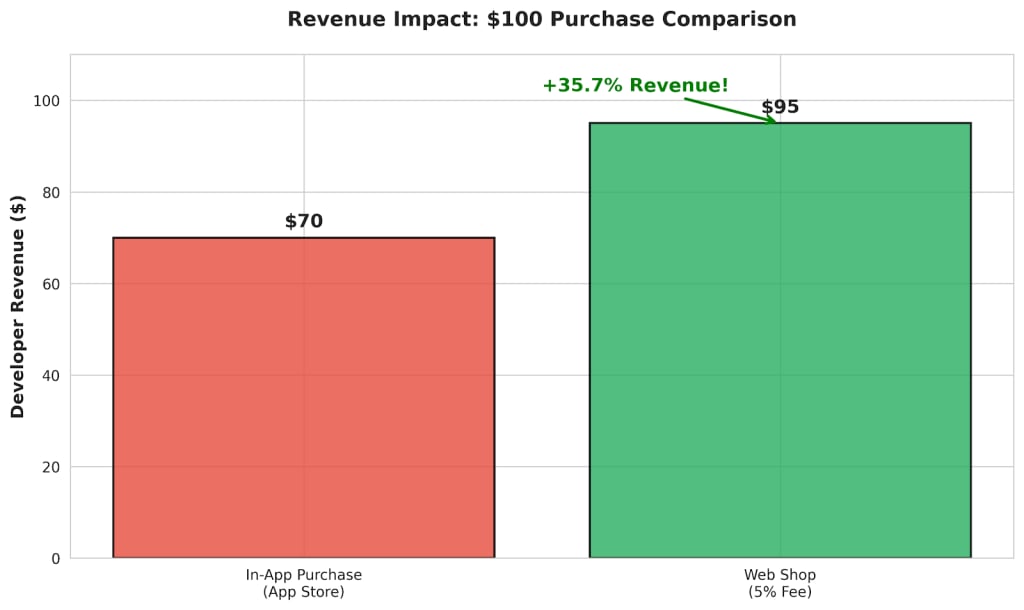
Figure 4: Revenue Impact – $100 Purchase Comparison
Scarcity and Urgency Tactics
Scarcity and urgency are powerful psychological triggers that can significantly boost conversion rates. By creating a sense of limited availability or time pressure, you can motivate players to make a purchase decision more quickly. Here are some effective tactics to consider:
Limited-time offers: Create flash sales or special promotions that are only available for a short period of time. Use countdown timers on your web shop to create a sense of urgency.
Limited-quantity items: Offer exclusive items that are only available in limited quantities. Once they’re sold out, they’re gone forever (or at least until the next release).
Seasonal and event-based promotions: Tie your offers to real-world events, holidays, or in-game events. This creates a natural sense of timeliness and relevance.
Early bird specials: Reward players who make purchases early in a promotion with extra bonuses or discounts.
The key to using scarcity and urgency effectively is to be authentic. If you constantly run “limited-time” offers that never actually end, players will catch on and lose trust in your brand. Use these tactics sparingly and strategically for maximum impact.
Bundle Optimization and Value Perception
Bundles are one of the most effective ways to increase average order value (AOV) and provide players with a sense of value. By combining multiple items into a single package at a discounted price, you can encourage players to spend more than they would on individual items. However, not all bundles are created equal. To optimize your bundles for maximum revenue, consider the following:
Tiered bundles: Offer bundles at different price points to appeal to players with different budgets. For example, you might have a “Starter Pack” for $4.99, a “Power Pack” for $9.99, and an “Ultimate Pack” for $19.99.
Themed bundles: Create bundles around specific themes, such as a “Halloween Bundle” or a “PvP Domination Bundle.” This makes the bundle feel more cohesive and appealing.
Value anchoring: Show the individual prices of the items in the bundle and the total savings to create a strong perception of value. For example, “Normally $30, now only $19.99 – Save 33%!”
Exclusive bundle items: Include items in your bundles that can’t be purchased individually. This creates a sense of exclusivity and gives players a compelling reason to buy the bundle.
Test different bundle configurations and price points to find what resonates best with your audience. Use A/B testing to compare the performance of different bundles and continuously refine your offerings.
Loyalty Programs and VIP Tiers
Loyalty programs and VIP tiers are powerful tools for increasing player retention and lifetime value. By rewarding players for their continued engagement and spending, you can create a virtuous cycle where players feel valued and motivated to keep coming back. Here are some effective approaches:
Points-based systems: Award players points for every purchase they make, which can be redeemed for exclusive rewards, discounts, or in-game items.
VIP tiers: Create multiple VIP tiers (e.g., Bronze, Silver, Gold, Platinum) with increasing benefits at each level. Players can progress through the tiers based on their total spending or engagement.
Exclusive perks: Offer VIP players exclusive benefits such as early access to new content, special discounts, priority customer support, or invitations to exclusive events.
Streak bonuses: Reward players for making purchases on consecutive days or weeks with bonus items or discounts.
The key to a successful loyalty program is to make the rewards meaningful and attainable. If the rewards are too difficult to earn or not valuable enough, players won’t be motivated to participate. Strike a balance between aspirational rewards that keep players engaged and achievable milestones that provide regular positive reinforcement.
Cross-Promotion and Upselling
If you have multiple games in your portfolio, your web shop can be a powerful tool for cross-promotion. By showcasing your other games and offering special bundles that span multiple titles, you can increase player engagement across your entire portfolio and maximize the lifetime value of each player.
Upselling is another effective strategy for increasing revenue. When a player adds an item to their cart, show them related items or upgrades that they might be interested in. For example, if a player is buying a character skin, you could suggest a matching weapon skin or a bundle that includes both at a discounted price.
The key to effective cross-promotion and upselling is to be relevant and non-intrusive. Don’t bombard players with too many suggestions or push products that aren’t related to their interests. Use data and personalization to show them offers that are genuinely valuable and relevant to their gaming experience.
Measuring Success: Key Metrics to Track
To ensure that your web shop is performing optimally, you need to track the right metrics and use them to inform your decision-making. Here are the key performance indicators (KPIs) that every mobile game developer should be monitoring:
Conversion Rate
Conversion rate is the percentage of players who visit your web shop and make a purchase. This is one of the most important metrics to track, as it directly impacts your revenue. A low conversion rate could indicate issues with your user experience, pricing, or product offerings. Industry benchmarks vary, but a conversion rate of 2-5% is typical for mobile game web shops.
To improve your conversion rate, focus on reducing friction in the checkout process, offering compelling promotions, and ensuring that your web shop is optimized for mobile devices. Use A/B testing to experiment with different designs, messaging, and offers to find what works best for your audience.
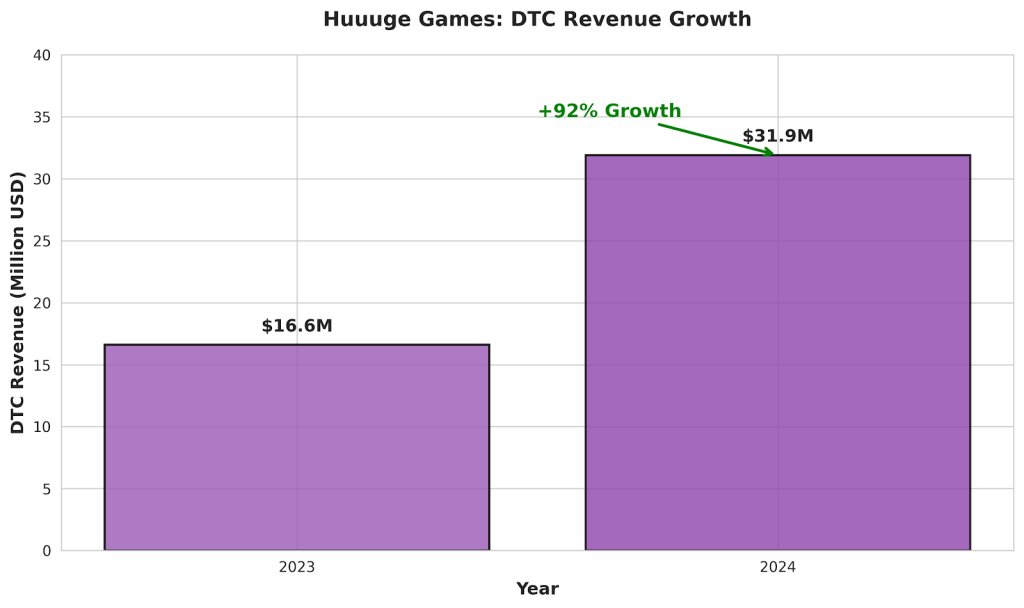
Figure 5: Huuuge Games DTC Revenue Growth
Average Order Value (AOV)
Average order value is the average amount that players spend per transaction. Increasing your AOV is one of the most effective ways to boost revenue without having to acquire more customers. You can increase AOV by offering bundles, upselling related products, and implementing minimum purchase thresholds for free shipping or bonus items.
Track your AOV over time and segment it by player type, geographic location, and other relevant factors. This will help you identify opportunities to increase spending among specific segments of your player base.
Customer Lifetime Value (LTV)
Customer lifetime value is the total revenue that a player generates over the entire duration of their relationship with your game. This is a critical metric for understanding the long-term profitability of your web shop and informing your customer acquisition and retention strategies.
To calculate LTV, multiply your average order value by the average number of purchases per player by the average player lifespan. For example, if your AOV is $10, players make an average of 3 purchases, and the average player lifespan is 6 months, your LTV would be $30.
Increasing LTV should be a primary focus of your web shop strategy. You can do this by improving player retention, encouraging repeat purchases through loyalty programs, and increasing AOV through bundles and upselling.
Cart Abandonment Rate
Cart abandonment rate is the percentage of players who add items to their cart but don’t complete the purchase. A high cart abandonment rate is a red flag that indicates problems with your checkout process, pricing, or trust signals. Common causes of cart abandonment include unexpected fees, complicated checkout processes, lack of payment options, and security concerns.
To reduce cart abandonment, simplify your checkout process, be transparent about all costs upfront, offer multiple payment options, and display trust signals such as security badges and customer testimonials. You can also implement cart abandonment emails to remind players about their abandoned carts and offer them an incentive to complete the purchase.
Return on Ad Spend (ROAS)
If you’re running paid advertising campaigns to drive traffic to your web shop, return on ad spend (ROAS) is a critical metric to track. ROAS measures the revenue generated for every dollar spent on advertising. A ROAS of 3:1 means that for every $1 spent on ads, you generate $3 in revenue.
To improve your ROAS, focus on targeting the right audience, creating compelling ad creative, and optimizing your landing pages for conversions. Use attribution tracking to understand which ad campaigns and channels are driving the most revenue, and allocate your budget accordingly.
Data Visualizations
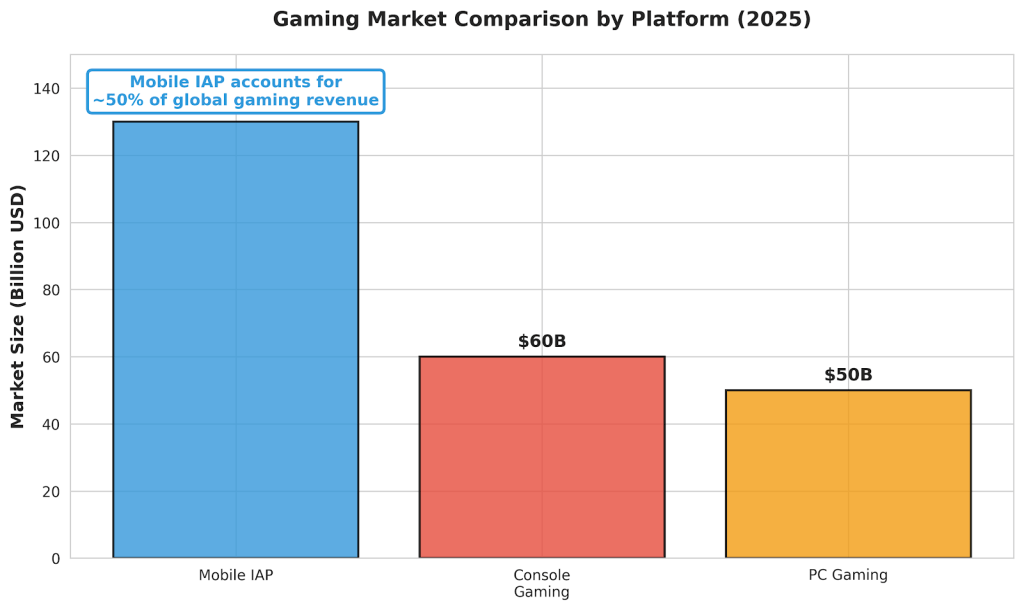
Figure 6: Gaming Market Comparison by Platform (2025)