Notion templates have exploded in popularity, with top creators earning $10,000+ per month selling simple productivity systems. If you’ve built an effective workflow, habit tracker, or project management setup in Notion, there’s a good chance others will pay for it. This guide walks you through exactly how to sell Notion templates online in 2026 — from creation to your first sale.
Why Sell Notion Templates?
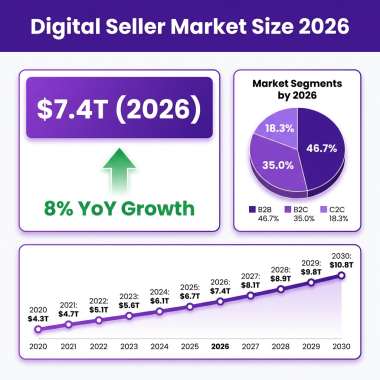
The digital product market is booming. According to recent data, the digital downloads industry is projected to reach $331 billion by 2026. Notion templates sit at the intersection of productivity and passive income — once created, they can be sold unlimited times with zero inventory costs.
Here’s why Notion templates are particularly attractive:
- Low barrier to entry: You already use Notion — no new skills needed
- High profit margins: Digital products have near-zero marginal costs
- Scalable income: One template can generate sales while you sleep
- Growing demand: Notion has 30+ million users and counting
- Creative expression: Share your systems and help others get organized
Step 1: Create a Marketable Notion Template
Before you can sell anything, you need a template people actually want. The best-selling Notion templates solve specific problems:
- Productivity systems: Daily planners, habit trackers, goal-setting frameworks
- Business tools: CRMs, content calendars, project management setups
- Personal organization: Budget trackers, travel planners, recipe collections
- Creative workflows: Writing dashboards, video production trackers, design systems
- Student resources: Note-taking systems, study planners, assignment trackers
When designing your template, focus on aesthetics and usability. Use consistent color schemes, clear headings, and intuitive navigation. Include instructions — buyers should understand how to use your template within minutes of opening it.
Test your template thoroughly. Share it with friends or beta users and gather feedback before listing it for sale. A template that confuses buyers will generate refunds and negative reviews.
Step 2: Choose Where to Sell Your Templates
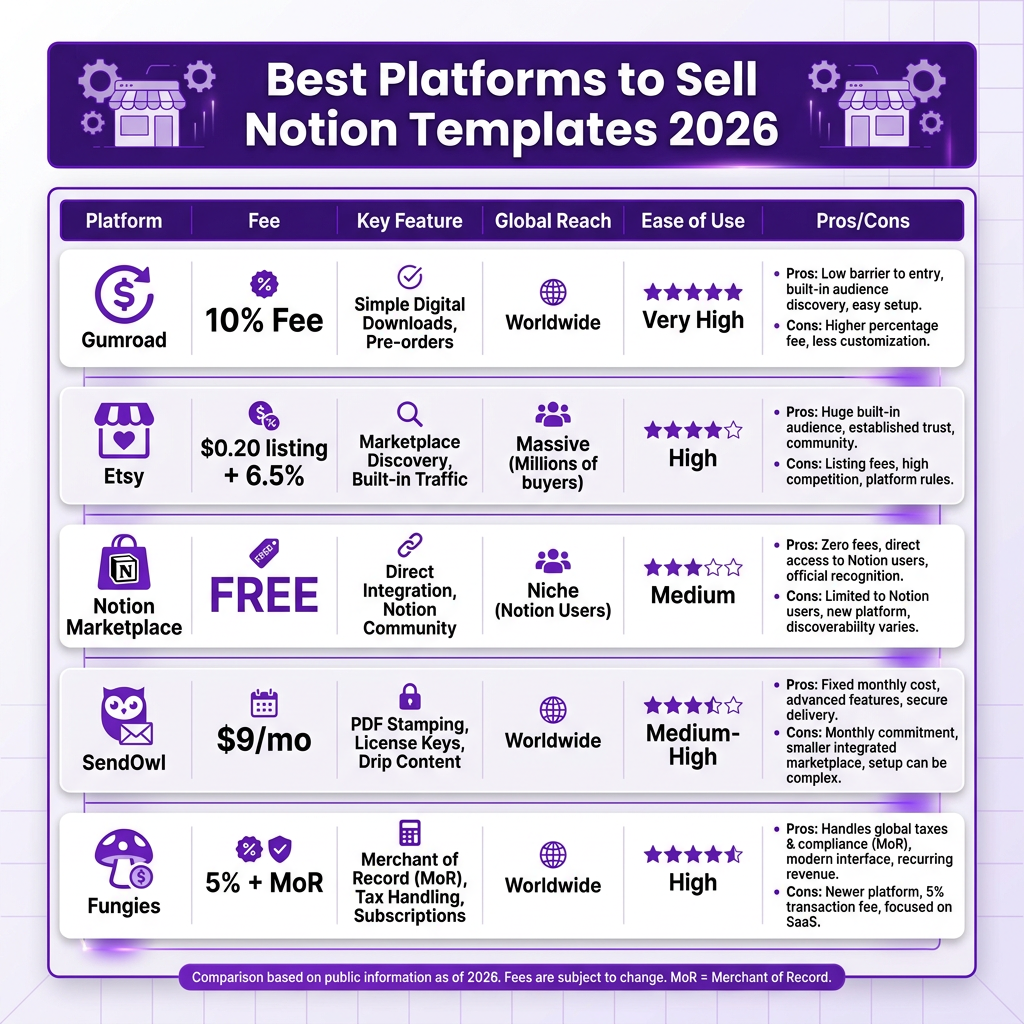
You have several options for selling Notion templates, each with pros and cons:
Gumroad
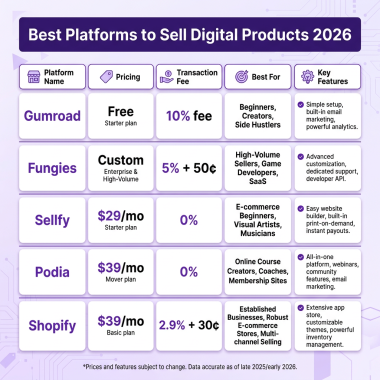
Gumroad is the most popular platform for digital creators. It’s free to start, takes a 10% fee per sale, and handles file delivery automatically. The marketplace has built-in discovery, meaning customers can find your templates without you driving all the traffic.
Etsy
Etsy charges $0.20 per listing plus 6.5% transaction fees. While the fees are lower than Gumroad, Etsy’s audience is primarily shopping for physical goods. However, digital products are a growing category, and Etsy’s search engine can drive significant organic traffic.
Notion Marketplace
Notion’s official marketplace is free to use and reaches the most relevant audience — people already using Notion. However, it’s highly competitive and requires approval for listing.
Your Own Website
Selling through your own site gives you full control and keeps 100% of revenue (minus payment processing). Platforms like Fungies.io make this easy with built-in checkout, automatic file delivery, and global tax compliance handled for you.
Step 3: Price Your Templates Strategically
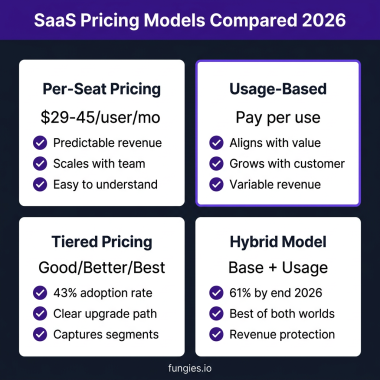
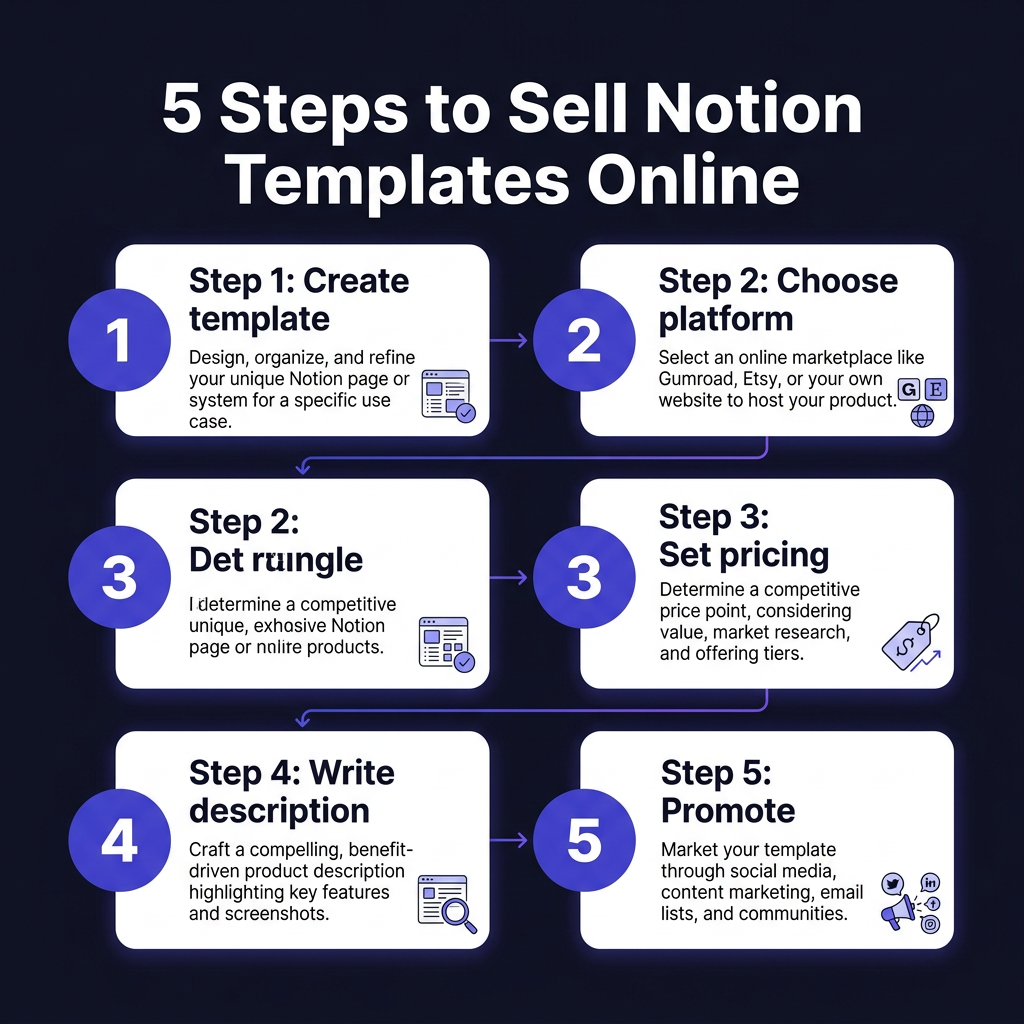
Consider offering tiered pricing. A basic version at $9, a premium version at $29, and a bundle of all your templates at $49. This captures customers at different price points and increases average order value. Your product description sells the transformation, not just the template. Instead of “Notion Habit Tracker,” write “Build Consistent Habits in 30 Days — A Science-Backed Notion System.” Include these elements in every listing: Creating great templates is only half the battle. You need to drive traffic to your listings: As your template business grows, you’ll face payment processing and tax compliance challenges. If you’re selling globally, you’re responsible for collecting and remitting VAT, sales tax, and other local taxes — a complex and time-consuming process. This is where a Merchant of Record (MoR) like Fungies.io becomes valuable. An MoR handles all tax compliance automatically, processes payments in 50+ currencies, and manages chargebacks and fraud protection. You focus on creating great templates; they handle the financial complexity. Yes. Top creators earn $10,000+ monthly, though most sellers make a few hundred to a few thousand dollars per month. Success depends on template quality, marketing effort, and consistency. Yes. Digital product sales are taxable income. If selling internationally, you may need to collect VAT or sales tax depending on customer location. Using a Merchant of Record automates this compliance. Gumroad is the easiest starting point — free to use, simple setup, and built-in audience. As you grow, consider expanding to multiple platforms or your own website for higher margins. You can’t completely prevent sharing, but you can include clear licensing terms, watermark preview images, and focus on customers who value supporting creators. Most buyers are honest. With active promotion, first sales often come within days. Without marketing, it could take weeks or months. The creators who succeed treat this as a business, not a passive side project. Selling Notion templates is one of the most accessible ways to start earning passive income online. With minimal upfront investment, you can turn your productivity systems into products that help others while generating revenue for yourself. Start by creating one template that solves a problem you’ve personally experienced. List it on Gumroad or your own site, share it with your network, and iterate based on feedback. Your first sale is closer than you think. Join hundreds of creators using Fungies.io — automated tax compliance, 50+ payment methods, global Merchant of Record. Perfect for Notion templates, courses, and digital downloads. No credit card required Last updated: May 2026
Step 4: Write Compelling Listings
Step 5: Promote Your Templates
Handling Payments and Taxes
FAQ: Selling Notion Templates
Can you really make money selling Notion templates?
Do I need to pay taxes on Notion template sales?
What’s the best platform for beginners?
How do I protect my templates from being shared?
How long does it take to make the first sale?
Conclusion: Start Selling Today
Ready to Sell Your Digital Products?