Introduction: Why Steam Matters for Indie Game Developers
Steam remains the dominant platform for PC game distribution, with over 132 million monthly active users and a marketplace that generated billions in revenue for developers in 2025. For indie game developers, understanding how to sell a game on Steam can be the difference between a passion project and a sustainable business.
But Steam is just one piece of the puzzle. Smart developers are building multi-channel strategies that include direct sales through web shops, alternative platforms, and their own storefronts. This guide covers everything you need to know about Steam distribution while showing you how to maximize your revenue through complementary channels.
Understanding Steam’s Revenue Model
Before diving into the how-to, let’s break down Steam’s financial structure:
- Revenue Share: Steam takes 30% of gross revenue for the first $10 million, 25% for revenue between $10-50 million, and 20% for revenue above $50 million.
- Payment Processing: Included in Steam’s cut – no additional fees for standard transactions.
- Refund Policy: Steam offers automatic refunds for games played less than 2 hours within 14 days of purchase.
- Regional Pricing: Steam supports 40+ currencies with recommended regional pricing.
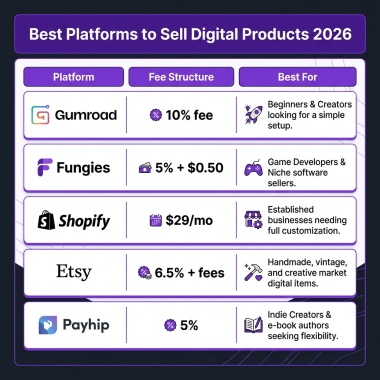
While Steam’s reach is unmatched, the 30% cut means developers should consider building direct sales channels to maximize profitability. Platforms like Fungies.io allow you to create a web shop with significantly lower fees, keeping more revenue in your pocket.
Step 1: Getting Your Game on Steam
The Steam Direct Program
Steam Direct replaced Steam Greenlight in 2017, making the submission process more straightforward but requiring a $100 USD recoupable fee per game. Here’s how to get started:
- Create a Steamworks Account: Visit partner.steamgames.com and complete the registration process.
- Pay the App Fee: Submit the $100 fee (recouped after your game generates $1,000 in revenue).
- Complete the Paperwork: Provide tax information, bank details, and identity verification.
- Prepare Your Build: Upload your game using SteamPipe, Valve’s content delivery system.
- Configure Store Page: Create compelling screenshots, trailers, and descriptions.
- Set Pricing: Choose your base price and regional pricing strategy.
- Submit for Review: Valve reviews all submissions, typically within 3-5 business days.
Step 2: Optimizing Your Steam Store Page
Your store page is your sales pitch. Here’s what converts browsers into buyers:
Visual Assets That Sell
- Capsule Images: Create eye-catching library and store capsules (460×215 and 231×87 pixels).
- Screenshots: Upload 5-10 high-quality screenshots showing actual gameplay.
- Trailer: A 60-90 second trailer should showcase your game’s unique selling points within the first 10 seconds.
- GIFs: Steam supports animated GIFs that autoplay on hover – use them strategically.
Writing Compelling Copy
Your game description should follow the AIDA framework:
- Attention: Hook readers with your unique premise in the first sentence.
- Interest: Explain what makes your game different from competitors.
- Desire: Describe the emotional experience players will have.
- Action: End with a clear call-to-action to wishlist or purchase.
Step 3: Building Pre-Launch Momentum
Successful Steam launches don’t happen by accident. Here’s your pre-launch checklist:
Wishlist Building (3-6 Months Before Launch)
- Release a demo during Steam Next Fest events
- Engage with gaming communities on Reddit (r/gamedev, r/indiegaming)
- Build an email list through your website
- Create a press kit and reach out to gaming journalists
- Develop a content marketing strategy with devlogs and behind-the-scenes content
The Wishlist Conversion Formula
Industry data suggests you need approximately 7,000-10,000 wishlists for a successful indie launch. The conversion rate from wishlist to purchase typically ranges from 10-15% during launch week.
Step 4: Launch Strategy and Post-Launch Support
Launch Week Tactics
- Coordinate with influencers for day-one coverage
- Run a launch discount (10-20% off for the first week)
- Engage actively in community forums and reviews
- Monitor metrics and respond to player feedback quickly
Long-Term Success Factors
Steam’s algorithm favors games with:
- Consistent update schedules
- High review scores (aim for 80%+ positive)
- Strong community engagement
- Regular discount participation
Step 5: Diversifying Beyond Steam
While Steam is essential, relying solely on one platform is risky. Smart developers build multiple revenue streams:
Direct Sales Through Web Shops
Creating your own web shop allows you to:
- Keep 90%+ of revenue (vs. 70% on Steam)
- Build direct customer relationships
- Own your customer data
- Avoid platform dependency
- Offer exclusive content and bundles
Fungies.io makes it easy to create a professional web shop for your game with built-in payment processing, tax compliance, and global reach. With Fungies, you can be selling directly to players within minutes, not days.
Alternative Distribution Platforms
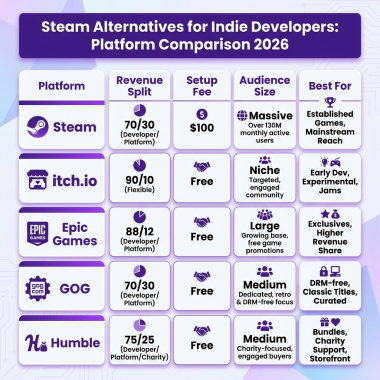
- Epic Games Store: 12% revenue share, curated selection
- GOG: DRM-free focus, 30% revenue share
- itch.io: Developer-friendly, flexible revenue share
- Humble Bundle: Bundle opportunities, 25% platform fee
Understanding the Financials: Steam vs. Direct Sales
Let’s compare the numbers for a $20 game:
| Platform | Revenue Share | You Keep | Per $20 Sale |
|---|---|---|---|
| Steam | 30% | 70% | $14.00 |
| Epic Games Store | 12% | 88% | $17.60 |
| Fungies.io (Direct) | ~5-10% | 90-95% | $18.00-$19.00 |
For a game selling 10,000 copies at $20, the difference between Steam and direct sales through Fungies is $40,000-$50,000 in additional revenue. That’s a significant chunk of change that can fund your next project.
Common Mistakes to Avoid
- Launching Too Early: First impressions matter. A buggy launch can tank your review score permanently.
- Ignoring Regional Pricing: Steam’s recommended regional prices exist for a reason – use them.
- Neglecting Community: Active community management correlates directly with long-term sales.
- Single-Platform Dependency: Diversify your distribution to reduce risk.
- Poor Timing: Avoid launching against major AAA releases or during Steam sale events.
Advanced Strategies for Maximizing Revenue
DLC and Post-Launch Content
Successful indie games often generate 30-50% of total revenue from DLC and expansions. Plan your content roadmap before launch.
Steam Sales and Promotions
Participate in Steam’s major sales events:
- Summer Sale (June/July)
- Winter Sale (December)
- Spring Sale (March)
- Autumn Sale (November)
Discounts of 25-50% typically see the best conversion rates during these events.
Cross-Promotion Opportunities
Steam’s discovery queue and “More Like This” sections are powerful. Optimize your tags and categories to appear in relevant recommendations.
The Future of Game Distribution in 2026
The landscape is evolving rapidly:
- Web3 Integration: Blockchain-based ownership and NFTs are gaining traction
- Cloud Gaming: Services like GeForce NOW are expanding the addressable market
- Mobile-PC Convergence: Cross-platform play is becoming standard
- Direct-First Strategies: More developers are prioritizing direct sales over platform dependence
Forward-thinking developers are building sustainable businesses that don’t rely on any single platform. By combining Steam’s reach with direct sales through platforms like Fungies, you maximize both visibility and profitability.
Conclusion: Your Multi-Channel Strategy
Steam remains essential for PC game distribution, but it’s not the whole story. The most successful indie developers in 2026 are building diversified revenue streams that include:
- Steam for discovery and reach
- Direct web shop sales for maximum profitability
- Alternative platforms for additional exposure
- Community building for long-term sustainability
Ready to take control of your game sales? Create your web shop with Fungies.io and start selling directly to your players today. With our no-code setup, you can be live in minutes and keep more of every sale.
Ready to Maximize Your Game Revenue?
Join hundreds of indie developers using Fungies.io to sell games directly to players. Keep 90%+ of your revenue with our no-code web shop builder.
No credit card required • Free forever plan available